Kenya's Organic Farming Certification Programme Opens New European Market Doors
Agriculture

Kenya’s Organic Farming Certification Programme Opens New European Market Doors

A quiet revolution is under way in Kenya’s horticultural and specialty crop sectors, driven not by a new seed variety or irrigation technology but by a piece of paper: the organic farming certificate. Since the launch of the Kenya Organic Agriculture Network (KOAN) certification programme in its expanded, government-backed form in early 2024, more than 4,500 farms across 24 counties have received accreditation under standards equivalent to the European Union’s Regulation (EU) 2018/848. The consequence is access to a premium market — and premium prices — that have transformed the economics of farming for thousands of smallholder households.

What the Certificate Opens

Organic certification under EU-recognised standards allows Kenyan exporters to market their produce as certified organic in all 27 EU member states, the world’s second-largest organic food market after the United States, with annual consumer expenditure exceeding 50 billion euros. The price premium for certified organic produce over conventional equivalents ranges from 30 to 50 per cent for vegetables, 40 to 65 per cent for coffee, and up to 80 per cent for certain rare spices, according to data from the Fresh Produce Exporters Association of Kenya (FPEAK). For a smallholder farmer earning Ksh 180,000 annually from conventional French beans, an organic premium of 40 per cent translates into an additional Ksh 72,000 per year — a significant uplift that compounds over time.

Kenya’s horticultural exports to the European Union — predominantly cut flowers, French beans, snow peas, avocados, and mangoes — were valued at approximately $750 million in 2025. The organic segment remains a small fraction of that total, but it is the fastest-growing component. “European consumers have made their preferences clear,” said FPEAK Chief Executive Okisegere Ojepat. “They want pesticide-free, traceable, sustainably produced food. Kenya has the climate, the labour, and increasingly the certification infrastructure to meet that demand. We are no longer just a conventional supplier competing on price.”

How the Programme Works

The certification pathway is tiered to accommodate different farm sizes. Individual farmers with more than two hectares may apply directly through KOAN’s online portal, supported by a farm inspection conducted by one of twelve accredited certification bodies operating in Kenya. Smallholders with less than two hectares are encouraged to join Participatory Guarantee System (PGS) groups, in which clusters of 15 to 30 neighbouring farmers undergo peer-review inspections supported by a certified facilitator. The PGS model brings the per-farmer cost of certification to approximately Ksh 8,000 per year, compared with Ksh 35,000 for an individual inspection. The government’s contribution — a Ksh 1.4 billion allocation across the 2024/25 and 2025/26 financial years — has funded county-level organic extension units, the training of 680 certified organic extension officers, and a partial subsidy on inspection fees for PGS groups in ASAL and lower-income counties. KRA has also provided a tax exemption on imported certified organic inputs, reducing a cost barrier that had previously deterred farmers from initiating the three-year transition period required before certification can be granted.

From the Farm to the Supermarket Shelf

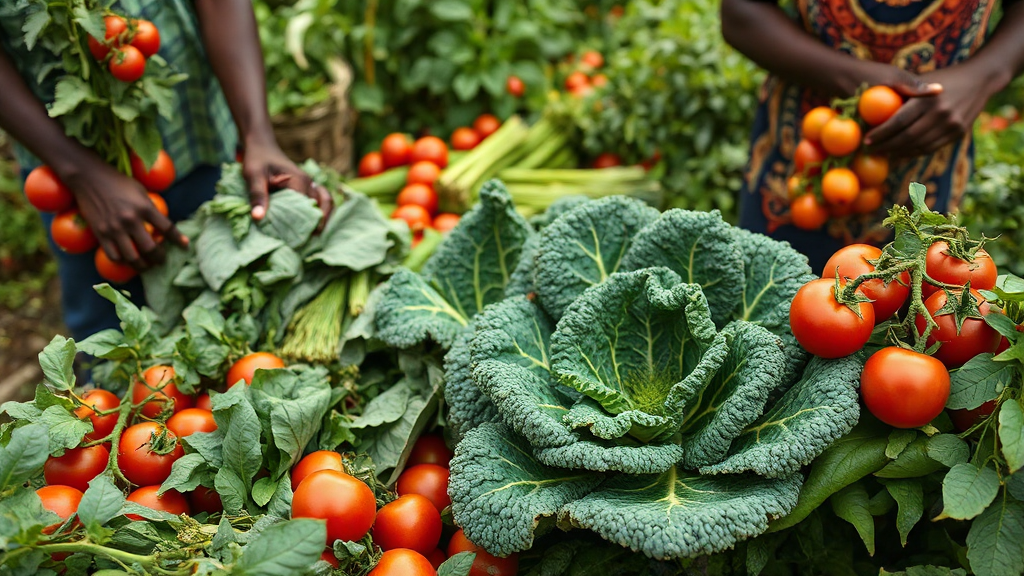
In Kirinyaga County, a group of 28 women farmers organised as the Mwea Organic Growers Cooperative received their KOAN group certificate in October 2025 and made their first consignment to a Dutch supermarket chain in January 2026 — certified organic baby spinach and rocket salad in biodegradable packaging. “We used to sell to the local broker at Ksh 30 per kilogramme for spinach. Now we sell to the export aggregator at Ksh 85 per kilogramme,” said cooperative coordinator Wanjiru Kamau. “We are the same farmers, the same land, the same climate — but the certificate changed everything.” In Meru County, three cooperatives producing single-origin Arabica at high altitude have attracted interest from specialty roasters in Germany, Sweden, and the United States willing to pay green coffee prices of $5.80 to $7.20 per kilogramme, well above the Nairobi Coffee Exchange average of $3.10 for conventional grade. The programme is not without friction. The three-year conversion period is financially difficult for smallholders, and bridging loans from the Agriculture Finance Corporation have been slow to disburse. Counterfeit certification is an emerging concern — the Kenya Bureau of Standards issued a warning in April 2026 that some exporters had attached fraudulent organic claims to conventional produce, jeopardising Kenya’s EU standing. A dedicated KEBS inspection unit for organic exports was established in response. The incident served as a reminder that certification is not a one-time achievement but an ongoing obligation that Kenya’s growing organic sector must take seriously.
Read More
Meru Miraa Farmers Face Collapse as Exports to Somalia Drop 70%
Agriculture

Meru Miraa Farmers Face Collapse as Exports to Somalia Drop 70%

Along the dusty trading corridors of Maua town in Imenti North, Meru County, the evidence of an industry under severe stress is unmistakable. Dozens of miraa bundles lie unsold at the roadsides where, two years ago, they would have been snapped up within hours for refrigerated freight to Mogadishu, Baidoa, and Kismayo. Farmers who once earned Ksh 15,000 to Ksh 25,000 per week from the clan-organised export trade are reporting weekly incomes below Ksh 4,000. Some have abandoned their plots entirely. The Meru miraa economy, which supports an estimated 300,000 people in Meru and Tharaka-Nithi counties and was generating export revenues of approximately Ksh 8 billion annually at its peak, is in a state of acute crisis.

The Collapse of the Somali Market

Somalia has historically been Kenya’s largest miraa export destination, absorbing between 60 and 70 per cent of Meru County’s total output by volume. In late 2024 and early 2025, a combination of factors began to erode that market with devastating speed. The Federal Government of Somalia, under pressure from religious conservative factions and public health advocates, imposed new restrictions on miraa imports through Mogadishu’s Aden Adde International Airport, the primary entry point for Kenyan miraa. The measures included increased customs inspections that slowed clearance times beyond the 48-hour freshness window critical for miraa, which begins to deteriorate rapidly after harvest. Simultaneously, Mogadishu port authorities introduced a new documentation requirement — a phytosanitary certificate linked to a Somali Shilling-denominated fee — that traders say was implemented with no transition period and inconsistently enforced, causing some Somali buyers to explore alternative suppliers in Ethiopia’s Harar region. “One day the planes were flying, the next day we were told there was a new rule and our cargo was being held,” said Hassan Kimathi, a miraa trader who has operated the Meru-Mogadishu route for 19 years. “By the time we understood what was needed, our customers had found other suppliers.”

The Human Cost in Meru

The secondary economic consequences in Meru County are severe and widening. County government tax receipts from the miraa cess — levied at Ksh 2 per kilogramme — have dropped by approximately Ksh 320 million in the past twelve months, a gap the county is struggling to absorb without cutting services. The miraa trade directly employs harvesters, sorters, packers, freight handlers, and traders, with a further ring of dependency among food vendors, boda boda operators, and input suppliers whose business volumes track miraa revenues. Meru Governor Kawira Mwangaza, who has lobbied the national government for emergency support, told a community forum in Maua in April that the situation required a presidential-level intervention. “This is not a farming problem. This is a national economic emergency affecting three hundred thousand Kenyans.” Agriculture CS Mwangangi dispatched a trade delegation to Mogadishu in May, but the talks are reported to have produced only vague commitments with no concrete timeline for policy revision.

Alternative Markets and Hard Realities

The suggestion that Meru farmers should diversify into other crops is one that local leaders receive with frustration and resignation. Miraa is a perennial crop that produces year-round income from the second year after planting and grows well in Meru’s specific altitude band — between 1,000 and 1,800 metres — where alternatives such as tea, coffee, and macadamia require significant capital investment and multi-year establishment periods before generating income. A farmer who uproots a miraa plot and replants with macadamia faces four to five years of near-zero income from that land. The United Kingdom and the Netherlands banned miraa imports in 2014, closing off the diaspora markets that once provided a secondary revenue stream. Some farmers are exploring pilot exports to Djibouti and the UAE, where khat consumption among Somali and Yemeni communities is legal. Early volumes are modest, but whether these nascent routes can compensate for a 70 per cent collapse in the primary market is an open question that Meru’s farmers are living through with dwindling resources and deepening anxiety.

Read More
Beekeeping Revolution: Kenya's Honey Exports Target Ksh 5 Billion by 2027
Agriculture

Beekeeping Revolution: Kenya’s Honey Exports Target Ksh 5 Billion by 2027

Kenya’s honey export sector, long dismissed as a cottage industry of marginal commercial significance, is undergoing a transformation that its advocates describe as nothing less than a revolution. Export earnings from honey and related bee products reached Ksh 2.8 billion in the year to March 2026, more than double the Ksh 1.3 billion recorded in 2021 and a figure that positions the sector as one of the fastest-growing agricultural export categories in the country. The government’s stated target of Ksh 5 billion in annual honey export revenue by 2027 is ambitious but, industry observers say, not unreachable.

The Foundation: Hive Expansion and Modernisation

Kenya is home to an estimated 10 million bee colonies — the largest wild and managed bee population in Africa — and its climatic diversity creates honey with distinctive flavour profiles that command premiums in specialist markets in Europe, the Middle East, and North America. The Baringo forest honey, with its dark amber colour and complex tannin notes drawn from Acacia tortilis and other dryland flowers, has developed a following in German specialty food stores. The highland multi-floral honeys of the Aberdare Range and Mt Kenya foothills are sought by Swiss and British artisan brands for their high enzyme content and clean finish. Until recently, the sector’s potential was constrained by production technology. The traditional log hive, while culturally embedded across pastoral communities in Baringo, Samburu, West Pokot, and Turkana counties, delivers inferior honey quality and yields per colony that are 40 to 60 per cent lower than the Kenya Top-Bar Hive (KTBH) or the improved Langstroth box hive.

The National Beekeeping Modernisation Initiative, launched in 2023, has distributed more than 120,000 KTBH and Langstroth hives at 60 per cent subsidised cost to farmers in 28 counties, with ASAL counties receiving priority allocation in recognition of their large bee populations and limited alternative livelihoods. “We have not abandoned the traditional hive,” said Dr Cecilia Mutuku, Director of the Kenya Bee Products Association. “But we are helping farmers understand that the transition to modern hives can triple their honey yield per colony and also deliver beeswax and propolis that have their own export markets.”

Quality Certification and Market Access

The single most significant factor in Kenya’s honey export growth has been progress on European Union food safety certification. The Kenya Bureau of Standards, working with the Kenya Veterinary Authority on residue testing protocols, achieved EU third-country listing for honey exports in early 2024 — a regulatory milestone that had been pending for nearly a decade due to concerns about antibiotic residues. The EU listing requires individual processors to maintain traceability records linking each batch to specific apiaries that have been sampled for residues. Eleven Kenyan honey exporters currently hold active EU export certification, up from three in 2023. The government’s export promotion agency, KEPROBA, is offering matching grants of up to Ksh 400,000 to qualifying honey businesses to cover certification costs.

Youth Entrepreneurs and Pollination Services

Beyond honey, Kenya’s beekeeping sector is attracting interest for pollination services. French bean, avocado, and macadamia producers in Central Kenya increasingly understand that managed pollination can improve yields by 15 to 30 per cent, and a nascent hive-rental market is developing in Murang’a, Kirinyaga, and Meru counties, where a fee of Ksh 3,500 per colony per month supplements honey income without depleting the colony. Youth engagement is a particularly encouraging sign for the sector’s long-term vitality. Several Gen Z entrepreneurs — energised by the civic activism and self-reliance ethos that emerged from the 2023 protest movement — have entered commercial beekeeping, establishing direct-to-consumer honey brands with strong social media presences that command Ksh 800 to Ksh 1,200 per 500-gramme jar in urban markets. For a sector that must deliver Ksh 5 billion in exports by 2027, the combination of government infrastructure, EU certification, and entrepreneurial energy may well be enough to close the gap.

Read More
Kisii County Becomes Kenya's Top Banana Producer After New Hybrid Variety Rollout
Agriculture

Kisii County Becomes Kenya’s Top Banana Producer After New Hybrid Variety Rollout

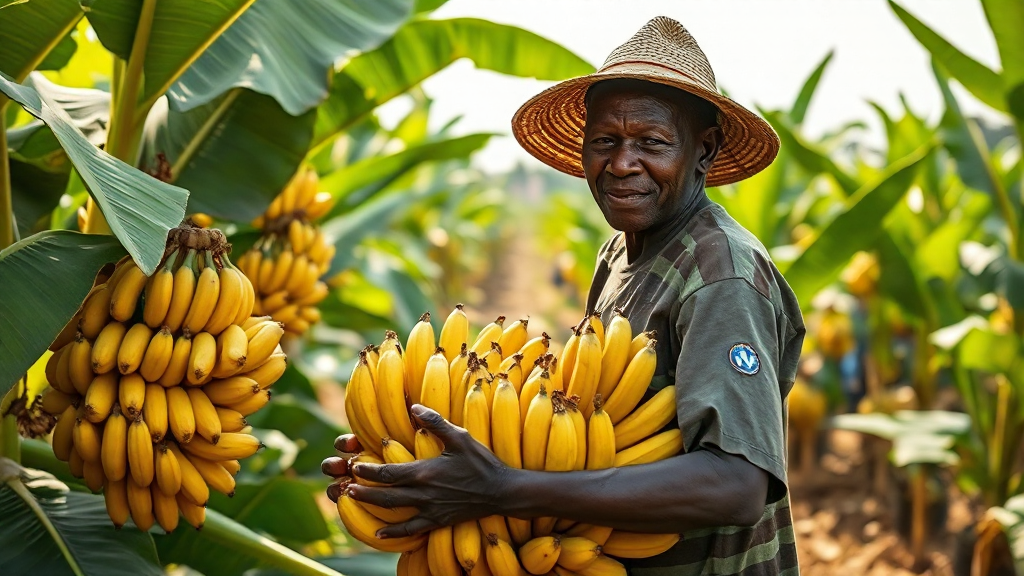
Kisii County has emerged as Kenya’s leading banana-producing county in the 2025/26 agricultural season, supplying an estimated 420,000 metric tonnes to domestic markets and displacing Murang’a — long considered the heartland of Kenya’s banana economy — from the top position it has held for more than three decades. The transformation, documented in a Horticultural Crops Directorate report released in Nairobi last month, is the product of a systematic hybrid variety rollout that began in 2022 and has reshaped the farming landscape of the South Nyanza highlands.

The Hybrid Variety That Changed Everything

The catalyst for Kisii’s rise is the Grand Nain tissue-culture banana variety, introduced through a partnership between the Kenya Plant Health Inspectorate Service (KEPHIS), KALRO, and private nurseries supported by a Dutch development finance facility. Unlike the traditional Mzigo and Ng’ombe varieties most Kisii farmers cultivated for generations — which take 14 to 18 months to first harvest and yield between 12 and 18 tonnes per hectare — Grand Nain matures in nine to eleven months, yields between 40 and 50 tonnes per hectare under good management, and produces a uniformly sized, disease-resistant bunch that the wholesale market strongly prefers. By June 2026, approximately 47,000 Kisii smallholder households had adopted the tissue-culture variety, each typically planting between 0.25 and one hectare.

“Kisii is a natural banana greenhouse,” said KALRO’s regional coordinator for western Kenya, Dr Beatrice Otieno. “We gave farmers the right planting material, some basic training on spacing and nutrition management, and nature did the rest.” The county’s unique attributes — year-round rainfall averaging 1,800 millimetres, deep volcanic soils, and a dense rural road network maintained by a proactive county government — created near-ideal conditions for the variety to express its genetic potential.

Economic Transformation on the Farm

The income shift for participating households has been substantial. Mary Kerubo, who farms 0.4 hectares in Nyamache Sub-county, says her banana income tripled in 2025. “I used to earn about Ksh 45,000 a year from bananas. Last year I earned Ksh 148,000. I have taken my children back to school and I am building a better house.” A survey by the County Department of Agriculture found that adopting households reported a median 180 per cent increase in banana-sourced income over two seasons. Kisii town’s wholesale fruit market has expanded significantly, drawing buyers from Nairobi, Eldoret, Kisumu, and increasingly Kampala and Dar es Salaam, reflecting the deepening East African Community trade integration that both Kenya and Uganda have prioritised. The additional commercial activity has created informal employment for hundreds of youth as loaders, sorters, and transporters.

Challenges of Success and the Road Ahead

The volume surge has exposed infrastructure bottlenecks. The road network serving the most productive banana zones in Nyamache, Bomachoge Chache, and Kitutu Masaba sub-counties deteriorates sharply in the rainy season, and farmers report losing between 5 and 12 per cent of their harvest to bruising and breakage during transit. Kisii Governor Simba Arati announced in March 2026 a Ksh 1.8 billion road rehabilitation programme targeting these agricultural corridors, with construction expected to begin before the end of the year. Quality consistency is also an emerging concern, as improper post-harvest handling reduces the wholesale price premium of Grand Nain. The county’s extension service has trained 312 community-level banana quality champions, but coverage across 45 wards remains uneven. Looking ahead, Kisii County is in preliminary discussions with a Kenyan exporter to trial shipments to the Gulf Cooperation Council market, where demand exists for flavourful East African highland banana varieties distinct from the global Cavendish. If successful, export diversification could cement Kisii’s new status as Kenya’s banana capital for years to come.

Read More
Kenya's Fish Farming Sector Grows 45% as Government Subsidises Pond Construction
Agriculture

Kenya’s Fish Farming Sector Grows 45% as Government Subsidises Pond Construction

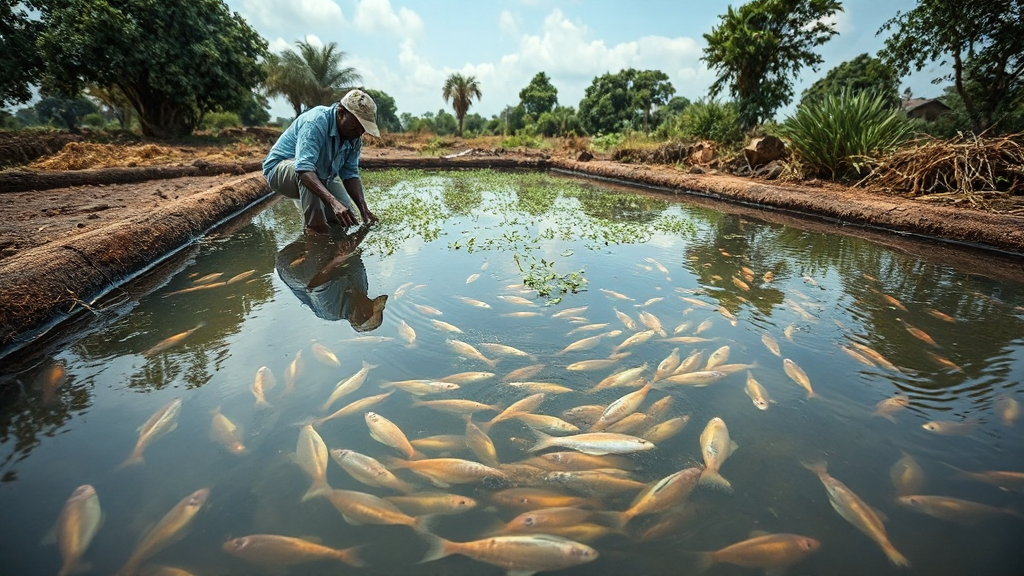
Kenya’s aquaculture sector produced an estimated 82,000 metric tonnes of farmed fish in 2025, a 45 per cent increase over the 56,500 tonnes recorded in 2023 and the highest output in the sector’s history. The leap, confirmed in a report released by the State Department for Blue Economy and Fisheries in May 2026, is directly attributable to an accelerated pond construction subsidy programme that has reached approximately 80,000 households across 35 of Kenya’s 47 counties — and is beginning to reshape protein consumption patterns in areas far from the traditional fish-eating cultures of the lakeside regions.

How the Subsidy Works

Under the programme, administered jointly by the State Department for Blue Economy and county fisheries departments, qualifying smallholder farmers receive materials and technical labour support to construct a 300- to 600-square-metre earthen pond, along with an initial fingerling stocking of 2,000 Nile tilapia or catfish and a 90-day supply of commercial pellet feed. The government covers approximately 70 per cent of the construction cost, capped at Ksh 55,000 per pond, with the farmer contributing the remainder in cash or equivalent labour. Payments are processed through M-Pesa to county-registered contractors, a mechanism that programme managers say has significantly reduced the leakage that plagued earlier in-kind subsidy models.

“We learned from the failures of previous aquaculture programmes,” said State Department Principal Secretary Rashid Mohammed at the report’s launch in Nairobi. “The old model gave people fingerlings and feed and then disappeared. This model pairs infrastructure with a six-month extension support contract. We are seeing harvest rates above 70 per cent, which is very different from what we saw a decade ago.”

Regional Spread and Nutritional Impact

While Kisumu, Siaya, and Homa Bay counties in the Lake Victoria basin remain the highest-volume production zones, accounting for about 35 per cent of national aquaculture output, the most striking growth has occurred in central and eastern Kenya. Kirinyaga, Embu, Meru, and Nyeri counties collectively increased aquaculture output by more than 200 per cent between 2022 and 2025. Catfish, which is more tolerant of variable water temperatures and lower dissolved oxygen levels than tilapia, has proved particularly successful in upland ponds. Nutritional surveys conducted by KEMRI in three aquaculture-dense counties found that households with active fish ponds consumed fish protein at least three times per week, compared with a national average of once per week for households at the same income level. Child stunting indicators in the surveyed areas showed a statistically significant decline over the two-year monitoring period.

Market Development and Export Potential

The rapid growth in production has begun to strain downstream infrastructure. Post-harvest losses from poor handling and the absence of refrigeration are estimated at 15 to 20 per cent of harvest weight. The Kenya Fish Processors and Exporters Association (AFIPEK) has urged the government to invest in village-level solar-powered chilling facilities as a priority. A small but growing number of farmers are partnering with urban-facing aggregators supplying supermarkets in Nairobi, Mombasa, and Kisumu. Naivas Supermarkets began stocking fresh farmed tilapia from a Murang’a County producer cooperative in early 2026, priced at Ksh 380 per kilogramme. Internationally, Kenya’s Blue Economy strategy envisions fish exports of $200 million annually by 2028, a target that will require investment in certified processing facilities meeting EU and US food safety standards. Two facilities in Kisumu are currently undergoing HACCP certification audits — if approved, they would open European Union market access for the first time.

Read More
Drought-Resistant Maize Variety Boosts Yields in ASAL Counties by 60%
Agriculture

Drought-Resistant Maize Variety Boosts Yields in ASAL Counties by 60%

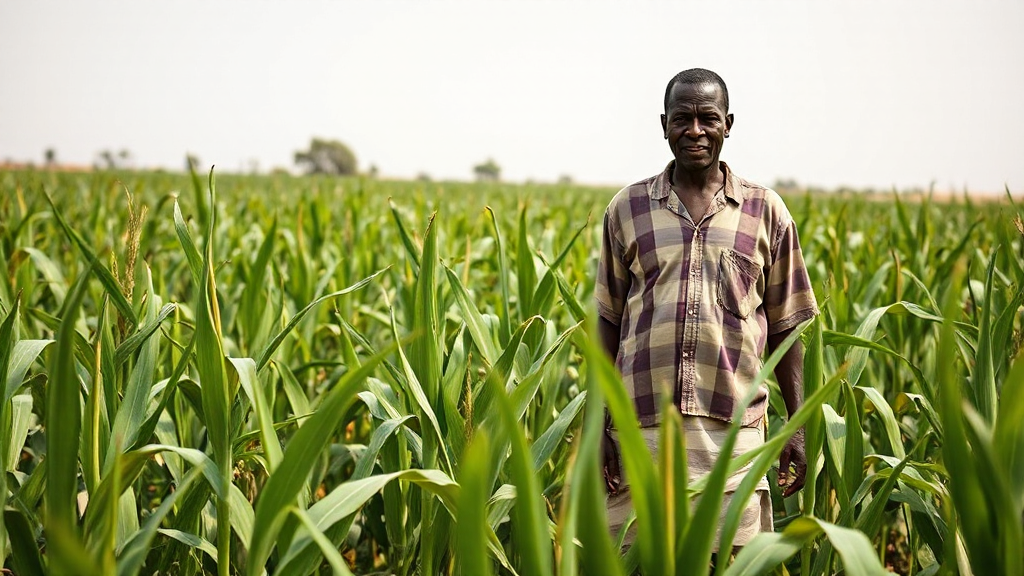
In Kitui County, where maize harvests have historically been the difference between food sufficiency and emergency aid, farmers who planted the DUMA 43 drought-tolerant variety this season are harvesting an average of 28 bags per acre — compared with the 17 bags that conventional open-pollinated varieties delivered under similar conditions two years ago. That 60 per cent yield improvement, replicated across a cluster of arid and semi-arid land (ASAL) counties including Makueni, Machakos, Kwale, Kilifi, and Tharaka-Nithi, represents one of the more tangible agricultural policy wins of President Ruto’s administration as it enters its third year.

The Science Behind the Seed

The DUMA series — an acronym drawn from the Swahili for “cheetah”, connoting speed and agility — is a product of more than a decade of collaborative breeding work between the Kenya Agricultural and Livestock Research Organisation (KALRO), the International Maize and Wheat Improvement Centre (CIMMYT), and seed companies including Kenya Seed Company and Pannar. The varieties are engineered to maintain productivity under a soil moisture deficit of up to 40 per cent below optimal, to mature in as few as 90 days in shorter rainfall windows, and to resist maize streak virus, a pathogen that commonly exploits plant stress in dry conditions.

KALRO Director General Dr Eliud Kireger described the 2025/26 season results as a validation of long-term public investment in adaptive research. “We have been working on these varieties since 2009. The climate crisis has not waited for us, but at least we now have tools that work in the field conditions our farmers actually face,” he said at a field day in Mwingi, Kitui County, in May 2026. The event attracted more than 800 farmers from four counties and was livestreamed on Safaricom’s platform, drawing tens of thousands of additional viewers across the country.

Scaling Up Distribution

A key factor in the 2025/26 season’s success was a revised seed subsidy logistics model implemented by the Agriculture Ministry following years of distribution failures that saw subsidised seed arrive after the planting window had closed. Working with agro-dealer networks and leveraging Safaricom’s M-Pesa for payment verification, the government pre-positioned DUMA series seed at 1,200 agro-dealer outlets across ASAL counties before the start of the short rains in October 2025. Farmers received electronic vouchers via SMS, redeemable at registered dealers, eliminating the queuing chaos that had plagued previous in-kind distribution schemes.

“Last year I got my seed in January when the rains were already finished,” said Mary Mutua, a smallholder farmer in Mbooni, Makueni County. “This year I had the seed in October, I planted on time, and I have enough maize to feed my family and sell the surplus.” Approximately 180,000 households accessed subsidised DUMA seed in the 2025/26 season, against a target of 150,000. The government has set a revised target of 250,000 households for the 2026/27 season, backed by a Ksh 2.1 billion allocation in the agriculture budget, an increase of 40 per cent over the previous year.

Remaining Challenges

Agronomists caution that seed alone is not sufficient to sustain yield gains beyond one or two seasons. Continuous cropping without adequate soil fertility management depletes the micronutrient base that DUMA varieties require to express their genetic potential. Affordable access to the correct fertiliser formulation remains limited in remote ASAL markets where agro-dealer penetration is thin. Water harvesting infrastructure — farm ponds, half-moon catchments, and zai pits — can significantly amplify the performance of drought-tolerant varieties by capturing whatever rainfall does arrive. Youth extension volunteers, mobilised through a programme inspired in part by the civic energy of the 2023 Gen Z protests, are filling some of the extension gap in counties like Tharaka-Nithi and Embu. The 60 per cent yield gain is real and significant — the question is whether it can be institutionalised into a permanent feature of ASAL farming or whether it will remain a promising season’s anomaly.

Read More
Kenya's Wheat Imports Rise as Local Production Falls Short by 1.2 Million Tonnes
Agriculture

Kenya’s Wheat Imports Rise as Local Production Falls Short by 1.2 Million Tonnes

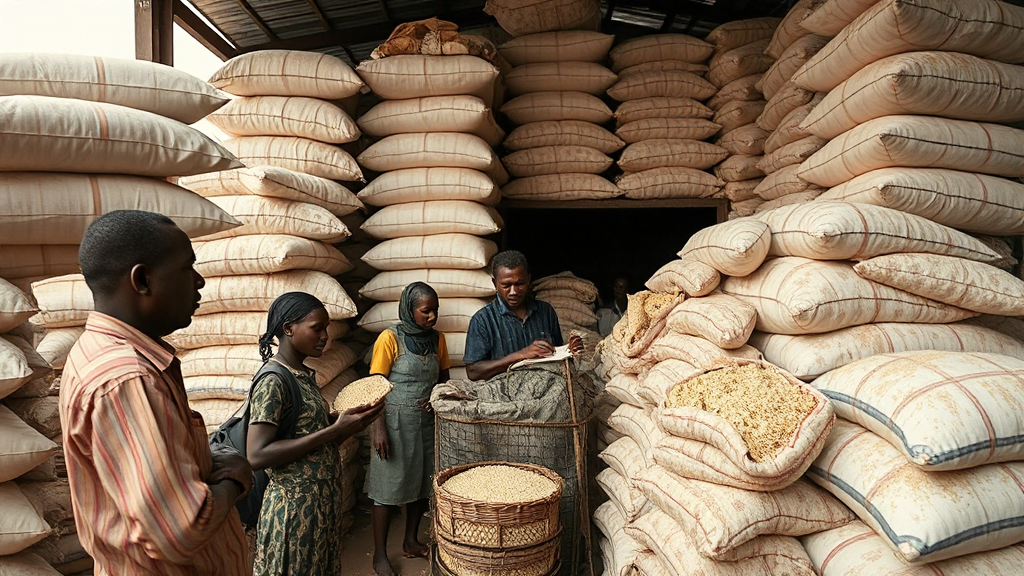
Kenya imported wheat worth Ksh 30.6 billion in the twelve months to March 2026, according to data from the Kenya Revenue Authority, as domestic production struggled to reach 400,000 metric tonnes against a national consumption requirement estimated at 1.6 million tonnes. The 1.2-million-tonne shortfall — the largest in five years — has kept flour prices elevated across the country, with a 2-kilogramme packet of wheat flour retailing at between Ksh 190 and Ksh 220 in Nairobi supermarkets, roughly double the price of five years ago.

A Perfect Storm for Producers

Kenya’s wheat belt, concentrated in the high-altitude areas of Nakuru, Uasin Gishu, Trans Nzoia, and Nyandarua counties, suffered a second consecutive difficult season in 2025/26. Irregular distribution of the long rains, a residual effect of the El Nino disruption that scrambled seasonal calendars across the East Africa region, led to patchy germination and increased incidence of wheat rust disease. KALRO estimates that rust-related yield losses alone accounted for approximately 60,000 metric tonnes of the production shortfall.

Input costs remain a compounding problem. The cost of diammonium phosphate fertiliser remains 65 per cent above 2020 prices in real terms, with a 50-kilogramme bag retailing at Ksh 5,600 in Trans Nzoia in May 2026. The government’s subsidised fertiliser programme prioritised maize-producing smallholders, leaving large-scale wheat farmers largely without relief. “We were told to apply for the subsidy but the wheat allocation ran out in February before most of us had even been registered,” said Julius Rono, who farms 80 hectares in Eldoret North. The IMF-mandated removal of import duty waivers on wheat in the 2025/26 Budget — a revenue-raising measure under Kenya’s fiscal consolidation programme — also briefly pushed landed costs upward before global prices softened.

The Import Dependency Treadmill

Kenya sources wheat primarily from Russia, Ukraine, and Australia. The Russia-Ukraine conflict, now in its fifth year, continues to create periodic uncertainty in global wheat markets, and Kenya’s foreign exchange reserves — at 3.8 months of import cover as of May 2026, below the EAC recommended minimum — leave limited buffer against sudden price shocks. “We are in a structural trap,” said Dr Njoki Waweru, a food systems economist at the University of Nairobi. “We do not have enough arable land at the right altitude to ever fully replace wheat imports. But we are also not investing enough in the wheat we can grow domestically.” She argues that Kenya should accelerate the adoption of lower-altitude, heat-tolerant wheat varieties being developed at KALRO’s Njoro Research Centre, which could open an additional 200,000 hectares to wheat production over the next decade.

Political and Consumer Pressure

The National Cereals and Produce Board (NCPB) has maintained strategic grain reserves at 90-day cover, a level officials describe as adequate but not comfortable. The milling industry, dominated by Bidco, Unga Group, and Devki, has called for a consistent and predictable import duty regime rather than year-to-year waivers, arguing that uncertainty makes long-term procurement planning impossible. For urban consumers already squeezed by higher energy costs, transport levies, and SHA health contributions introduced to replace the defunct NHIF, the high price of unga wa ngano remains one of the most politically sensitive economic indicators heading towards the 2027 elections. Bread, chapati, and mandazi are staples in virtually every Kenyan household, and no administration has found a painless way to manage their price.

Read More
Macadamia Nut Exports Surpass Coffee for First Time in Kenya's History
Agriculture

Macadamia Nut Exports Surpass Coffee for First Time in Kenya’s History

In a milestone that would have seemed improbable a decade ago, Kenya’s macadamia nut exports generated Ksh 28.4 billion in the 2025/26 financial year, surpassing coffee’s Ksh 26.1 billion for the first time in recorded trade history. The figures, released by the Kenya National Bureau of Statistics in its quarterly external trade report published last month, mark a fundamental shift in the hierarchy of Kenya’s tree-crop economy and reflect both the dynamism of the macadamia sector and the persistent structural challenges besetting coffee.

The Macadamia Boom

Kenya is now the world’s second-largest producer of macadamia nuts after South Africa, with output estimated at 62,000 metric tonnes of in-shell nuts for the 2025/26 season. The bulk of production is concentrated in the Mt Kenya region — particularly Kirinyaga, Murang’a, and Embu counties — alongside significant volumes from the Rift Valley and Western Kenya. Approximately 300,000 smallholder farmers now cultivate macadamia as either a primary or secondary crop, a figure that has tripled since 2018.

China remains the dominant buyer, absorbing roughly 68 per cent of Kenya’s processed kernel exports, driven by rising middle-class demand for premium snack foods and confectionery ingredients. The United States and Germany account for a further 18 per cent. “The Asian consumer has transformed this industry,” said James Mwangi, Chief Executive of the Macadamia Association of Kenya. “Five years ago we were struggling to find buyers above $3 per kilogramme. Today we are consistently achieving $5.50 to $6.20 for well-processed kernel.” Processing capacity has expanded rapidly, with more than 25 licensed processing facilities now operating across the country, up from eight in 2019. A Chinese-Kenyan joint venture in Thika commissioned a 15,000-tonne-per-annum facility in March 2026. Yet an estimated 20 per cent of the crop still leaves Kenya in unprocessed shell form, forfeiting the value-addition premium that the government has repeatedly urged farmers and processors to capture.

Coffee’s Structural Struggle

The coffee sector’s relative decline is not a story of falling global prices but of persistent domestic inefficiencies that erode farmer returns and disincentivise production. A 2025 parliamentary inquiry found that smallholder coffee farmers in Kiambu and Murang’a counties received as little as 40 per cent of the auction price after milling and cooperative deductions. Aging coffee trees compound the problem — an estimated 60 per cent of Kenya’s Arabica trees are more than 25 years old and past peak productivity — and production has dipped to around 45,000 metric tonnes per year, well below the sector’s 1980s peak of 130,000 tonnes.

Policy Implications and the Road Ahead

The milestone has reignited debate about resource allocation within the agriculture budget. Macadamia advocates argue that the sector deserves dedicated support infrastructure, including improved rural road access to reduce post-harvest losses. Coffee stalwarts counter that the government should not abandon a crop with century-deep roots in Kenya’s farming culture. “Macadamia is exciting, but coffee built communities, cooperatives, and institutions across the central highlands,” former Agriculture PS Richard Lesiyampe told a stakeholder forum in Nyeri in May. “We need to fix what is broken, not chase the next shiny thing.” For farmers like John Njoroge in Kirinyaga, the choice has already been made pragmatically. “The macadamia pays me on time and I know what I will earn. With coffee I was always waiting and always disappointed.” His calculation, replicated across thousands of households, may be the clearest verdict on where Kenya’s tree-crop future lies.

Read More
Kenya Launches National Irrigation Masterplan to Bring 500,000 Hectares Under Irrigation by 2030
Agriculture

Kenya Launches National Irrigation Masterplan to Bring 500,000 Hectares Under Irrigation by 2030

The government launched the National Irrigation Masterplan on 14 June 2026 at a ceremony in Naivasha attended by Cabinet Secretary for Agriculture Kavata Mwangangi, representatives of twelve county governments, and delegations from the World Bank and African Development Bank. The plan commits Kenya to expanding irrigated agriculture from the current 350,000 hectares to 500,000 hectares by December 2030, a 43 per cent increase that officials say will reduce the country’s chronic food import bill and buffer rural economies against the increasingly erratic rainfall that has characterised the post-El Nino climate.

The Architecture of the Plan

The masterplan identifies three tiers of intervention. Large-scale public schemes, including the rehabilitation of the troubled Galana-Kulalu Food Security Project in Tana River and Kilifi counties and the expansion of the Mwea Irrigation Scheme in Kirinyaga, will absorb the largest share of the Ksh 180 billion budget. Medium-scale county-led schemes targeting between 500 and 5,000 hectares each will be financed through a cost-sharing arrangement between the National Irrigation Authority and county governments. The third tier covers smallholder micro-irrigation, supporting individual farmers to install drip and sprinkler systems through subsidised equipment loans channelled via the Agricultural Finance Corporation.

“We cannot keep talking about food security while 80 per cent of our agriculture depends entirely on rain,” said CS Mwangangi at the launch. “This masterplan is a generational commitment. It will transform Kenya’s agricultural geography.” The National Irrigation Authority Director General, Dr Samuel Mwangi, added that the agency had already identified 47 priority sites across 22 counties, with feasibility studies completed for 31 of them.

ASAL Counties at the Centre

Arid and semi-arid lands (ASAL) counties — covering roughly 80 per cent of Kenya’s landmass and home to an estimated 36 per cent of its population — are the stated priority beneficiaries. Counties such as Turkana, Marsabit, Garissa, Wajir, Mandera, and Isiolo have historically received the smallest share of irrigation investment despite their acute vulnerability to drought. The masterplan allocates Ksh 42 billion specifically to ASAL schemes, including a flagship 12,000-hectare project in Turkana County drawing on water from Lake Turkana and the Turkwel Gorge Dam.

Local officials have cautiously welcomed the announcement. “We have seen many plans for Turkana that never became reality,” said Turkana County Agriculture Executive Lodepe Losike. “What we are asking is for the money to follow the words. Our people can farm; they just need water and markets.” Pastoralist communities in the northern counties have historically been excluded from irrigation programmes designed for sedentary smallholder farmers, a gap that advocacy organisations say the masterplan must address through flexible land-use arrangements.

Climate Logic and Economic Rationale

The timing of the masterplan reflects hard lessons from the 2021-2023 drought, which triggered one of the worst food emergencies in Kenya’s recent history and pushed an estimated 4.4 million people into acute food insecurity at its peak. Climate modelling commissioned by the Kenya Meteorological Department projects that by 2035, reliable rainfall seasons in the maize belt will shrink from two to one per year in several counties. The Treasury, already under pressure from IMF programme conditionalities requiring deficit reduction, views expanded irrigation as a structural fix that could reduce import dependence and ease the current account deficit over the medium term. Donor partners have attached governance conditionalities to their financing tranches, insisting on independent oversight committees before disbursing funds. Whether the Ruto administration can deliver on the masterplan’s ambitions before the 2027 election will test not only its agricultural policy but its wider credibility on development delivery.

Read More
Sugar Cane Crisis: Mumias Sugar Company Faces Third Year of Losses Despite Government Bail-Out
Agriculture

Sugar Cane Crisis: Mumias Sugar Company Faces Third Year of Losses Despite Government Bail-Out

Mumias Sugar Company, once the jewel of Kenya’s cane-growing belt and the largest sugar producer in sub-Saharan Africa at its peak in the early 2000s, is heading for a third consecutive annual loss despite the Ksh 7 billion government bail-out injected between 2023 and 2025 under the administration of President William Ruto. Provisional accounts seen by ZaKenya show the company recorded a pre-tax loss of Ksh 2.1 billion in the financial year ending March 2026, marginally worse than the Ksh 1.9 billion loss posted in 2024/25 and a damning verdict on a restructuring process that officials had promised would return Mumias to profitability by mid-2026.

A Bail-Out That Has Not Turned the Corner

When Mumias emerged from receivership in 2023 under a Kenya Commercial Bank-administered recovery plan backed by government guarantees, there was guarded optimism in the sugar counties of western Kenya. The factory had been dormant for three years, over 7,000 direct and contracted workers had lost their livelihoods, and thousands of cane outgrowers in Kakamega, Bungoma, and Busia counties had watched their crops wither unharvested. The government’s injection was meant to fund factory rehabilitation, seed-cane schemes, and the settlement of accumulated cane payments that had left farmers owed an estimated Ksh 3.4 billion.

Two years on, the factory is operating at only 38 per cent of its installed crushing capacity of 7,000 tonnes of cane per day. Management cites a combination of factors: insufficient cane supply in the nucleus estate, ageing milling equipment that has required repeated unplanned shutdowns, high fuel costs from the heavy oil boilers, and what the company’s CEO, Isaac Omondi, describes as “structural market distortions” from cheap sugar imports entering Kenya through Uganda and Tanzania under East African Community free-trade provisions.

“We are milling when we have cane, and we have cane when our outgrowers are paid, but we cannot pay our outgrowers until we sell sugar, and we cannot sell sugar at a price that covers our costs when the market is flooded with cheaper imports,” Omondi told a parliamentary committee in May. “It is a vicious circle that no amount of bail-out can break without addressing the structural issues at the regional level.”

The Import Competition Problem

Kenya’s sugar industry has long complained that cheap refined sugar enters the country under COMESA and EAC preferential tariff arrangements, often allegedly originating outside the region but transshipped through member states to exploit duty-free access. The Kenya Sugar Board estimates that illicit or mislabelled sugar accounts for between 30 and 40 per cent of market supply — a figure disputed by Ugandan and Tanzanian trade officials but consistent with surveys by the Kenya Revenue Authority’s customs division.

The government imposed a 100 per cent sugar import duty in April 2025 on extra-regional imports, but the measure has had limited effect on intra-EAC flows, which are legally duty-free. Trade analysts note that the problem requires a regional solution — tighter rules-of-origin enforcement and harmonised external tariffs — that has proved elusive given the competing interests of EAC member states. Kenya has raised the matter at EAC Council level, but negotiations have stalled.

Farmer Anger and Political Pressure

The human cost of Mumias’s continued losses falls heaviest on the 60,000 registered outgrower families in the mill’s catchment area, many of whom have been waiting over 18 months for payment on cane already delivered. The Mumias Outgrowers Company, which represents farmers supplying the mill, has threatened to divert cane to South Nyanza Sugar Company and Butali Sugar Mills unless arrears of Ksh 1.2 billion are cleared by September 2026.

The political pressure on the Ruto government is intense. Western Kenya is a key electoral battleground ahead of the 2027 general election, and local members of parliament have grown openly critical of the Treasury’s management of the bail-out. “We were told by 2026 Mumias would be profitable and every farmer would be paid,” said Mumias East MP Evans Kakai. “What we have instead is another loss announcement and farmers who cannot pay school fees.”

The Agriculture ministry has commissioned an independent operational audit — the fourth since 2015 — with results expected in September. Past audits have consistently recommended reducing the workforce, bringing in a strategic private-sector partner to co-manage milling operations, and investing in ethanol and co-generation capacity to diversify revenue. All three recommendations have been repeatedly shelved for political reasons. Whether the fourth audit will meet a different fate is a question that 60,000 farming families in western Kenya are watching with diminishing hope.

Read More