Kenya Launches National Irrigation Masterplan to Bring 500,000 Hectares Under Irrigation by 2030
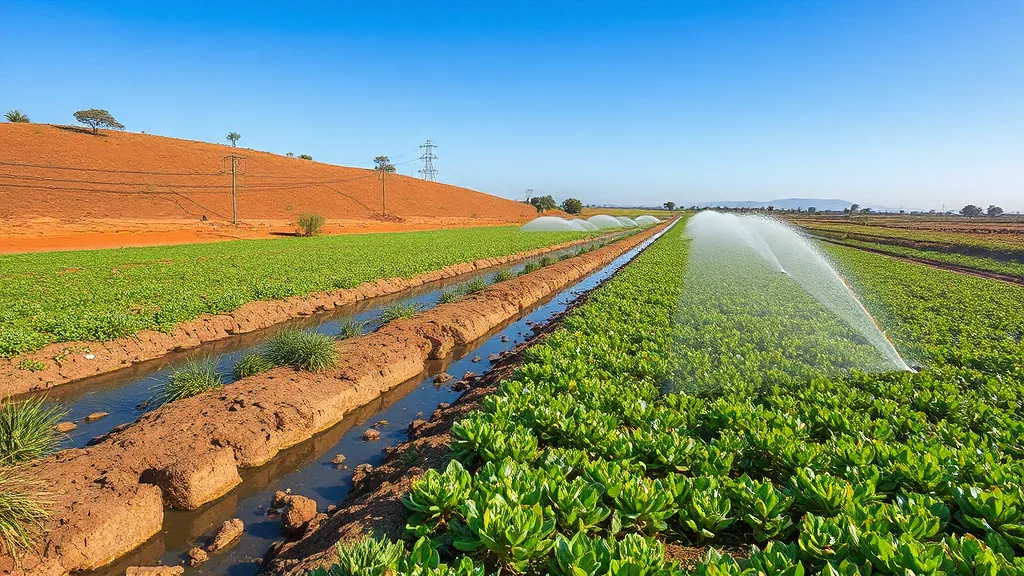
The government launched the National Irrigation Masterplan on 14 June 2026 at a ceremony in Naivasha attended by Cabinet Secretary for Agriculture Kavata Mwangangi, representatives of twelve county governments, and delegations from the World Bank and African Development Bank. The plan commits Kenya to expanding irrigated agriculture from the current 350,000 hectares to 500,000 hectares by December 2030, a 43 per cent increase that officials say will reduce the country's chronic food import bill and buffer rural economies against the increasingly erratic rainfall that has characterised the post-El Nino climate.
The Architecture of the Plan
The masterplan identifies three tiers of intervention. Large-scale public schemes, including the rehabilitation of the troubled Galana-Kulalu Food Security Project in Tana River and Kilifi counties and the expansion of the Mwea Irrigation Scheme in Kirinyaga, will absorb the largest share of the Ksh 180 billion budget. Medium-scale county-led schemes targeting between 500 and 5,000 hectares each will be financed through a cost-sharing arrangement between the National Irrigation Authority and county governments. The third tier covers smallholder micro-irrigation, supporting individual farmers to install drip and sprinkler systems through subsidised equipment loans channelled via the Agricultural Finance Corporation.
"We cannot keep talking about food security while 80 per cent of our agriculture depends entirely on rain," said CS Mwangangi at the launch. "This masterplan is a generational commitment. It will transform Kenya's agricultural geography." The National Irrigation Authority Director General, Dr Samuel Mwangi, added that the agency had already identified 47 priority sites across 22 counties, with feasibility studies completed for 31 of them.
ASAL Counties at the Centre
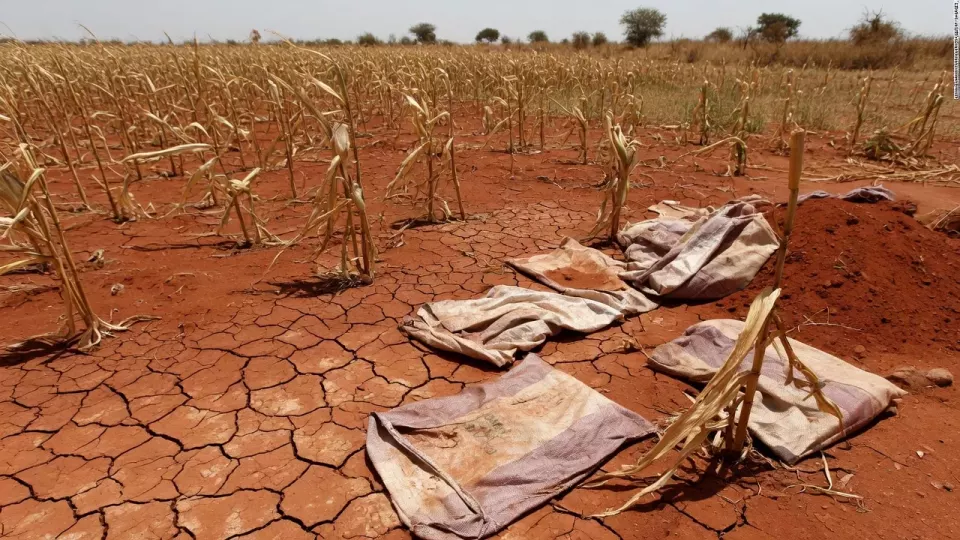
Arid and semi-arid lands (ASAL) counties — covering roughly 80 per cent of Kenya's landmass and home to an estimated 36 per cent of its population — are the stated priority beneficiaries. Counties such as Turkana, Marsabit, Garissa, Wajir, Mandera, and Isiolo have historically received the smallest share of irrigation investment despite their acute vulnerability to drought. The masterplan allocates Ksh 42 billion specifically to ASAL schemes, including a flagship 12,000-hectare project in Turkana County drawing on water from Lake Turkana and the Turkwel Gorge Dam.
Local officials have cautiously welcomed the announcement. "We have seen many plans for Turkana that never became reality," said Turkana County Agriculture Executive Lodepe Losike. "What we are asking is for the money to follow the words. Our people can farm; they just need water and markets." Pastoralist communities in the northern counties have historically been excluded from irrigation programmes designed for sedentary smallholder farmers, a gap that advocacy organisations say the masterplan must address through flexible land-use arrangements.
Climate Logic and Economic Rationale
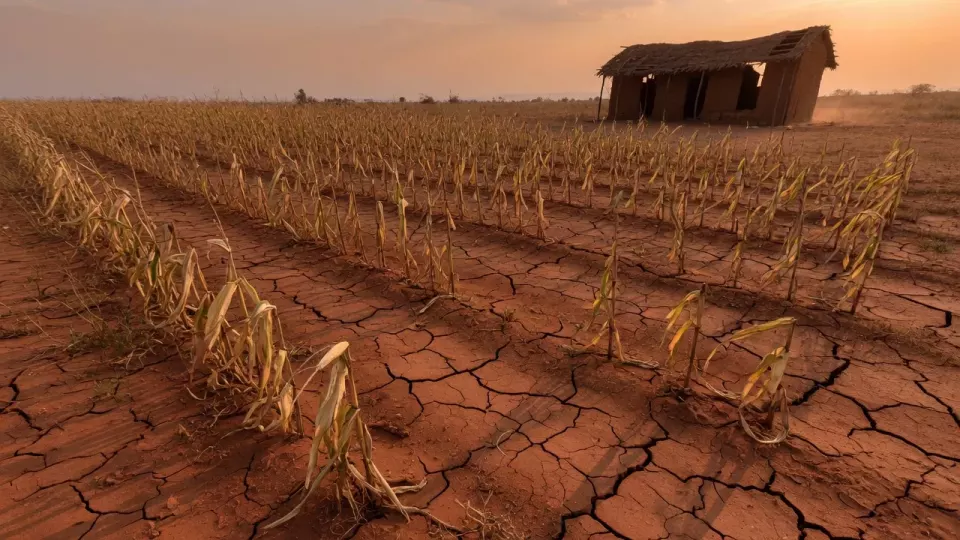
The timing of the masterplan reflects hard lessons from the 2021-2023 drought, which triggered one of the worst food emergencies in Kenya's recent history and pushed an estimated 4.4 million people into acute food insecurity at its peak. Climate modelling commissioned by the Kenya Meteorological Department projects that by 2035, reliable rainfall seasons in the maize belt will shrink from two to one per year in several counties. The Treasury, already under pressure from IMF programme conditionalities requiring deficit reduction, views expanded irrigation as a structural fix that could reduce import dependence and ease the current account deficit over the medium term. Donor partners have attached governance conditionalities to their financing tranches, insisting on independent oversight committees before disbursing funds. Whether the Ruto administration can deliver on the masterplan's ambitions before the 2027 election will test not only its agricultural policy but its wider credibility on development delivery.