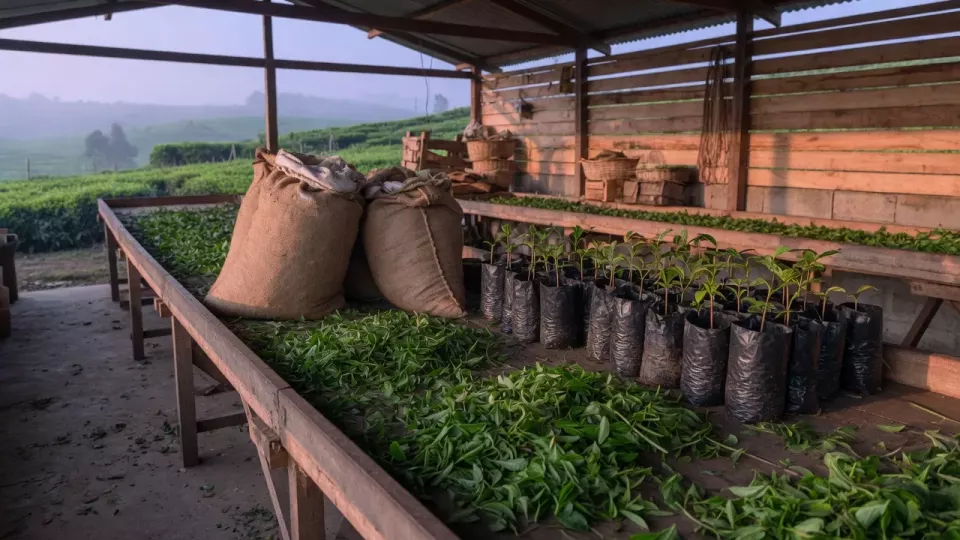
Macadamia Nut Exports Surpass Coffee for First Time in Kenya's History
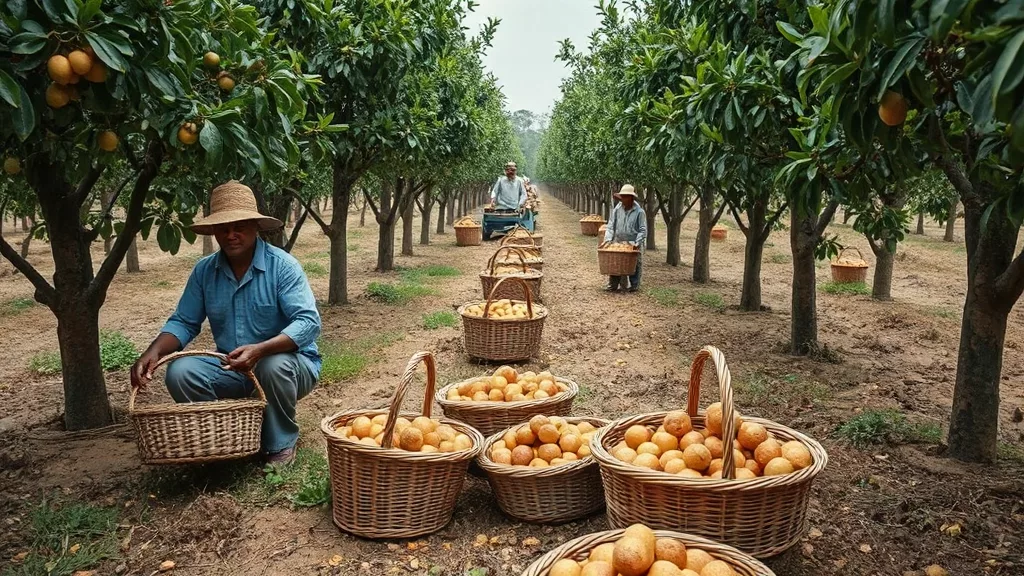
In a milestone that would have seemed improbable a decade ago, Kenya's macadamia nut exports generated Ksh 28.4 billion in the 2025/26 financial year, surpassing coffee's Ksh 26.1 billion for the first time in recorded trade history. The figures, released by the Kenya National Bureau of Statistics in its quarterly external trade report published last month, mark a fundamental shift in the hierarchy of Kenya's tree-crop economy and reflect both the dynamism of the macadamia sector and the persistent structural challenges besetting coffee.
The Macadamia Boom
Kenya is now the world's second-largest producer of macadamia nuts after South Africa, with output estimated at 62,000 metric tonnes of in-shell nuts for the 2025/26 season. The bulk of production is concentrated in the Mt Kenya region — particularly Kirinyaga, Murang'a, and Embu counties — alongside significant volumes from the Rift Valley and Western Kenya. Approximately 300,000 smallholder farmers now cultivate macadamia as either a primary or secondary crop, a figure that has tripled since 2018.
China remains the dominant buyer, absorbing roughly 68 per cent of Kenya's processed kernel exports, driven by rising middle-class demand for premium snack foods and confectionery ingredients. The United States and Germany account for a further 18 per cent. "The Asian consumer has transformed this industry," said James Mwangi, Chief Executive of the Macadamia Association of Kenya. "Five years ago we were struggling to find buyers above $3 per kilogramme. Today we are consistently achieving $5.50 to $6.20 for well-processed kernel." Processing capacity has expanded rapidly, with more than 25 licensed processing facilities now operating across the country, up from eight in 2019. A Chinese-Kenyan joint venture in Thika commissioned a 15,000-tonne-per-annum facility in March 2026. Yet an estimated 20 per cent of the crop still leaves Kenya in unprocessed shell form, forfeiting the value-addition premium that the government has repeatedly urged farmers and processors to capture.
Coffee's Structural Struggle
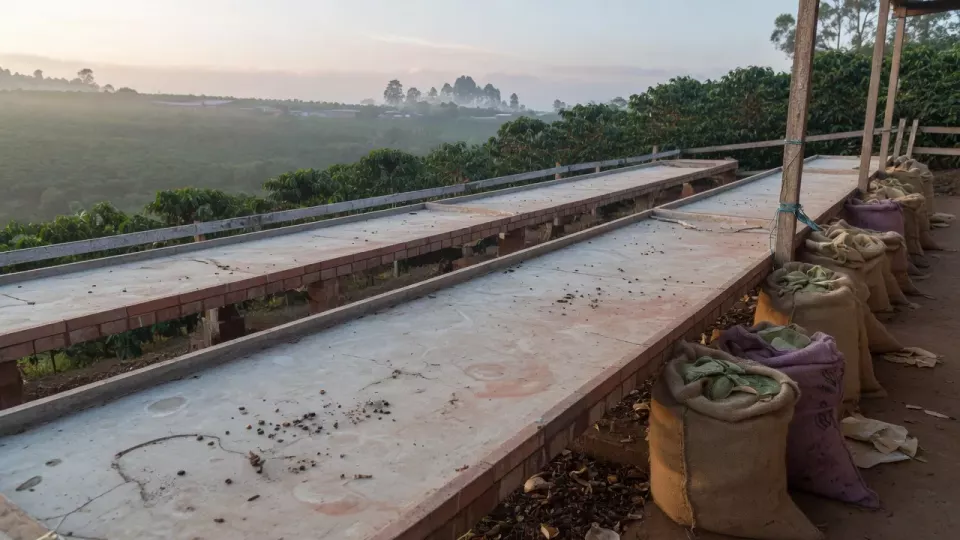
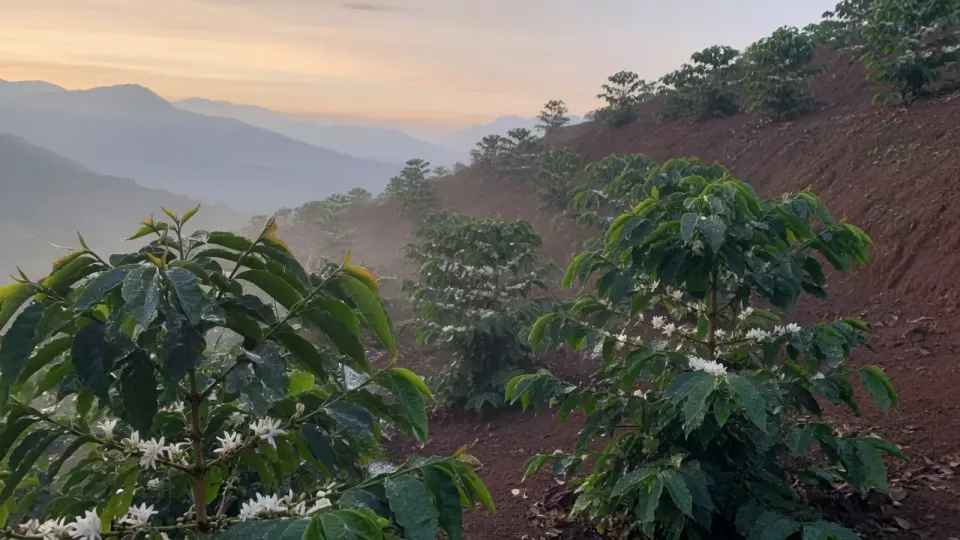
The coffee sector's relative decline is not a story of falling global prices but of persistent domestic inefficiencies that erode farmer returns and disincentivise production. A 2025 parliamentary inquiry found that smallholder coffee farmers in Kiambu and Murang'a counties received as little as 40 per cent of the auction price after milling and cooperative deductions. Aging coffee trees compound the problem — an estimated 60 per cent of Kenya's Arabica trees are more than 25 years old and past peak productivity — and production has dipped to around 45,000 metric tonnes per year, well below the sector's 1980s peak of 130,000 tonnes.
Policy Implications and the Road Ahead
The milestone has reignited debate about resource allocation within the agriculture budget. Macadamia advocates argue that the sector deserves dedicated support infrastructure, including improved rural road access to reduce post-harvest losses. Coffee stalwarts counter that the government should not abandon a crop with century-deep roots in Kenya's farming culture. "Macadamia is exciting, but coffee built communities, cooperatives, and institutions across the central highlands," former Agriculture PS Richard Lesiyampe told a stakeholder forum in Nyeri in May. "We need to fix what is broken, not chase the next shiny thing." For farmers like John Njoroge in Kirinyaga, the choice has already been made pragmatically. "The macadamia pays me on time and I know what I will earn. With coffee I was always waiting and always disappointed." His calculation, replicated across thousands of households, may be the clearest verdict on where Kenya's tree-crop future lies.