Sugar Cane Crisis: Mumias Sugar Company Faces Third Year of Losses Despite Government Bail-Out
Mumias Sugar Company, once the jewel of Kenya's cane-growing belt and the largest sugar producer in sub-Saharan Africa at its peak in the early 2000s, is heading for a third consecutive annual loss despite the Ksh 7 billion government bail-out injected between 2023 and 2025 under the administration of President William Ruto. Provisional accounts seen by ZaKenya show the company recorded a pre-tax loss of Ksh 2.1 billion in the financial year ending March 2026, marginally worse than the Ksh 1.9 billion loss posted in 2024/25 and a damning verdict on a restructuring process that officials had promised would return Mumias to profitability by mid-2026.
A Bail-Out That Has Not Turned the Corner
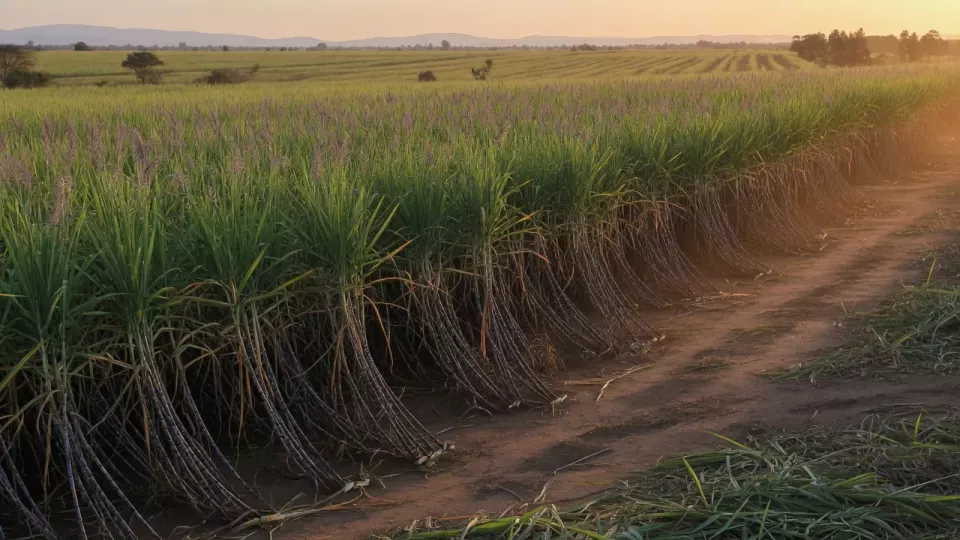
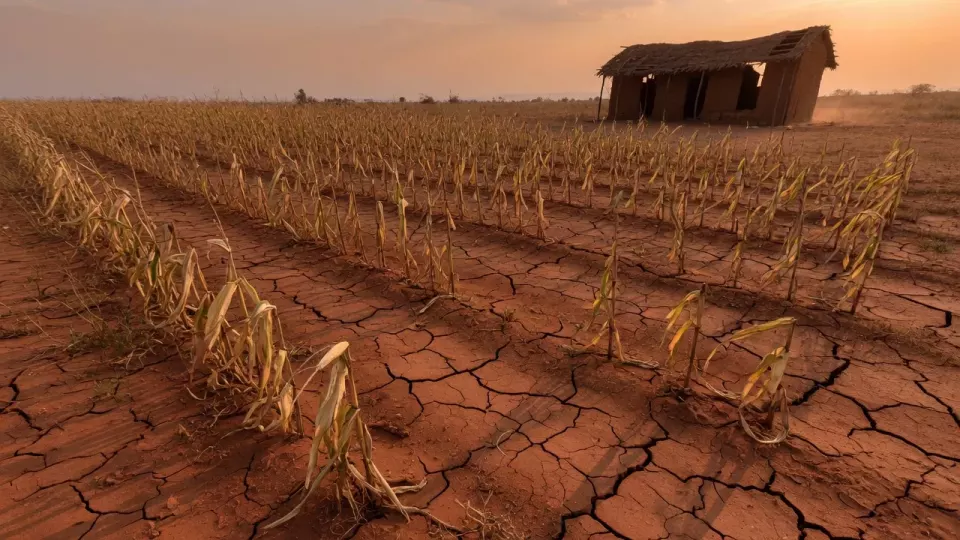
When Mumias emerged from receivership in 2023 under a Kenya Commercial Bank-administered recovery plan backed by government guarantees, there was guarded optimism in the sugar counties of western Kenya. The factory had been dormant for three years, over 7,000 direct and contracted workers had lost their livelihoods, and thousands of cane outgrowers in Kakamega, Bungoma, and Busia counties had watched their crops wither unharvested. The government's injection was meant to fund factory rehabilitation, seed-cane schemes, and the settlement of accumulated cane payments that had left farmers owed an estimated Ksh 3.4 billion.
Two years on, the factory is operating at only 38 per cent of its installed crushing capacity of 7,000 tonnes of cane per day. Management cites a combination of factors: insufficient cane supply in the nucleus estate, ageing milling equipment that has required repeated unplanned shutdowns, high fuel costs from the heavy oil boilers, and what the company's CEO, Isaac Omondi, describes as "structural market distortions" from cheap sugar imports entering Kenya through Uganda and Tanzania under East African Community free-trade provisions.
"We are milling when we have cane, and we have cane when our outgrowers are paid, but we cannot pay our outgrowers until we sell sugar, and we cannot sell sugar at a price that covers our costs when the market is flooded with cheaper imports," Omondi told a parliamentary committee in May. "It is a vicious circle that no amount of bail-out can break without addressing the structural issues at the regional level."
The Import Competition Problem
Kenya's sugar industry has long complained that cheap refined sugar enters the country under COMESA and EAC preferential tariff arrangements, often allegedly originating outside the region but transshipped through member states to exploit duty-free access. The Kenya Sugar Board estimates that illicit or mislabelled sugar accounts for between 30 and 40 per cent of market supply -- a figure disputed by Ugandan and Tanzanian trade officials but consistent with surveys by the Kenya Revenue Authority's customs division.
The government imposed a 100 per cent sugar import duty in April 2025 on extra-regional imports, but the measure has had limited effect on intra-EAC flows, which are legally duty-free. Trade analysts note that the problem requires a regional solution -- tighter rules-of-origin enforcement and harmonised external tariffs -- that has proved elusive given the competing interests of EAC member states. Kenya has raised the matter at EAC Council level, but negotiations have stalled.
Farmer Anger and Political Pressure
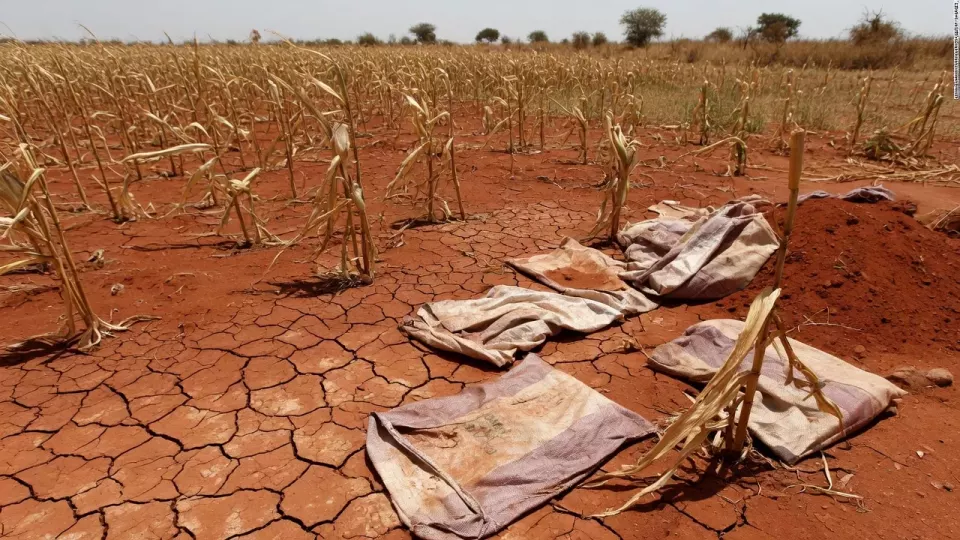
The human cost of Mumias's continued losses falls heaviest on the 60,000 registered outgrower families in the mill's catchment area, many of whom have been waiting over 18 months for payment on cane already delivered. The Mumias Outgrowers Company, which represents farmers supplying the mill, has threatened to divert cane to South Nyanza Sugar Company and Butali Sugar Mills unless arrears of Ksh 1.2 billion are cleared by September 2026.
The political pressure on the Ruto government is intense. Western Kenya is a key electoral battleground ahead of the 2027 general election, and local members of parliament have grown openly critical of the Treasury's management of the bail-out. "We were told by 2026 Mumias would be profitable and every farmer would be paid," said Mumias East MP Evans Kakai. "What we have instead is another loss announcement and farmers who cannot pay school fees."
The Agriculture ministry has commissioned an independent operational audit -- the fourth since 2015 -- with results expected in September. Past audits have consistently recommended reducing the workforce, bringing in a strategic private-sector partner to co-manage milling operations, and investing in ethanol and co-generation capacity to diversify revenue. All three recommendations have been repeatedly shelved for political reasons. Whether the fourth audit will meet a different fate is a question that 60,000 farming families in western Kenya are watching with diminishing hope.