FEWS NET: Kenya pastoral areas stay in food Crisis through September
Key points
- FEWS NET: most Kenyan pastoral areas remain Crisis (IPC Phase 3) through September, then improve to Stressed (IPC Phase 2) from October if rains recover rangelands.
- Mandera expected to face Crisis conditions into January after failed 2025 short rains.
- Milk production already 16–50% below average in Garissa, Mandera, Marsabit, Samburu and Turkana; vegetation greenness ~70–80% of long-term mean in late July.
- Kakuma, Dadaab and Kalobeyei projected Phase 3 through January; >600,000 refugees on assistance — risk of Phase 4 if aid not sustained beyond September.
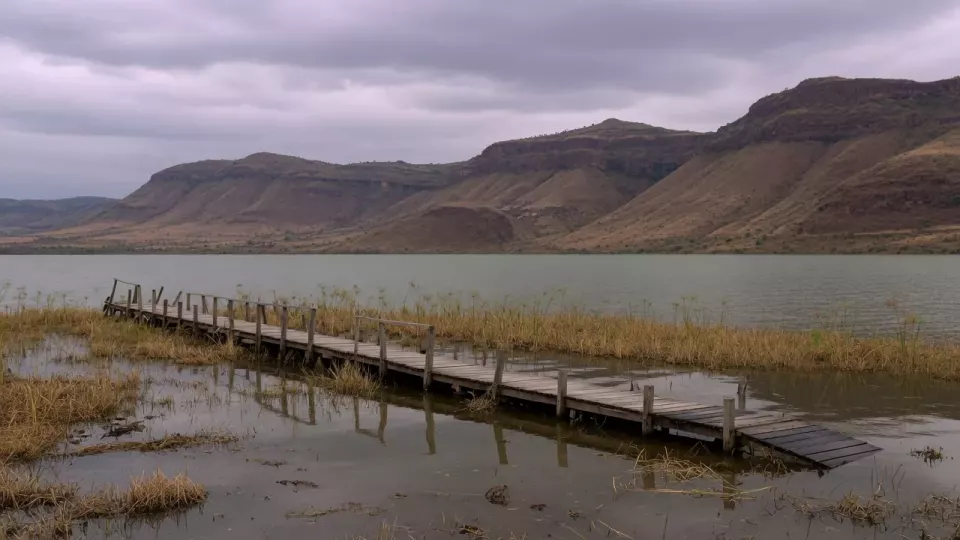
Pastoral Kenya is not out of the dry-season hole yet. The Famine Early Warning Systems Network (FEWS NET) projects that pastoral areas will remain in Crisis (IPC Phase 3) through September before improving to Stressed (IPC Phase 2) from October — if pasture, browse and water recover as forecast, Eastleigh Voice reported from the latest assessment.
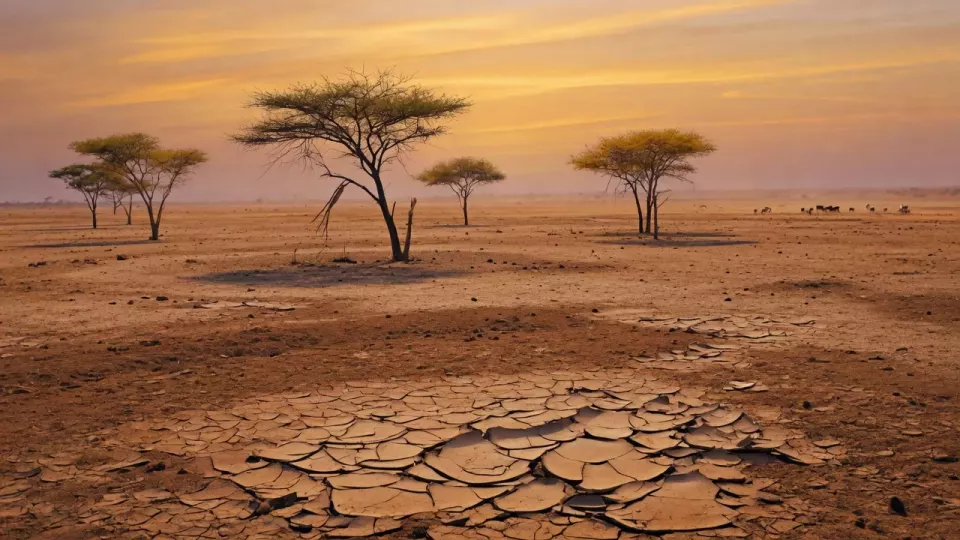
Slow recovery from failed 2025 short rains keeps Mandera on a harsher track: Crisis conditions are expected to continue into January even as improved rainfall elsewhere restores rangeland resources. Analysts expect longer trekking distances and earlier livestock migration from August, with declining animal body condition and milk production cutting household milk use and sales income. Milk output is already 16 to 50 per cent below average in Garissa, Mandera, Marsabit, Samburu and Turkana, limited herd sizes compounding the shortfall. Vegetation greenness stood at roughly 70 to 80 per cent of the long-term mean across most pastoral areas in late July, with many surface water sources under watch or seasonally dry. Turkana faces faster-than-usual resource decline after weak off-season rains, pushing earlier livestock movement toward and across the Uganda border.
October rains hope — and flood preparation
From October, strengthening El Niño conditions combined with a positive Indian Ocean Dipole are forecast to produce above-average October–December short rains, which FEWS NET says should improve rangeland availability and livestock productivity across most pastoral areas. Poor households may then meet minimum food needs more easily, though they will still use coping strategies for non-food essentials. The same outlook carries major flood risk; the government has begun preparations under the national response framework led by the National Disaster Risk Management Authority and overseen by an Ad Hoc Cabinet Committee on El Niño Preparedness and Response, including public awareness, drainage works, evacuation and shelter planning, and agriculture and public health measures.
Refugee settlements at Kakuma, Dadaab and Kalobeyei are expected to remain in Crisis through January, with humanitarian food assistance reaching more than 600,000 refugees. FEWS NET warns that if assistance is not sustained beyond September, those settlements could deteriorate to Emergency (IPC Phase 4). Marginal agricultural areas are expected to stay Stressed through January, while below-average maize in the North Rift and western Kenya could press staple prices. Environment desk: Environment. Verified IPC phases, milk ranges, vegetation shares and refugee caseload from Eastleigh Voice/FEWS NET; county-level operational caseloads can shift with new survey rounds.
For herding households, the useful milestones are milk recovery, water-point reopening and whether October rains arrive without washaway losses — not the forecast label alone.
Based on Eastleigh Voice reporting of the FEWS NET pastoral food-security outlook. Subsequent FEWS NET updates and NDMA assessments control revised phase classifications.