El Niño risk spikes as SOI hits -29.1; Kindiki chairs Sh15bn readiness

Key points
- The Southern Oscillation Index fell to -29.1 in July — lowest since February 1983, per Australian BOM data cited in reporting.
- US Climate Prediction Centre and KMD language point to roughly 81% odds of a very strong event in the Oct–Dec window.
- Oxford Economics Africa warns continental ag, water and power stress; Kenya faces short-rains flood risk.
- DP Kindiki chairs an ad hoc cabinet readiness committee; a Sh15 billion contingency fund is cited for mitigation and response.
Minus 29.1 on the Southern Oscillation Index in July — the lowest reading since February 1983 — is the headline climate number economists and forecasters are using to argue that Kenya may face its most intense El Niño pressure in more than four decades, The Standard reported, citing Australian Bureau of Meteorology data channelled through a newly published Oxford Economics Africa assessment.
“The last time the SOI reached such a low level was during the 1982 to 1983 El Niño, which is widely regarded as one of the strongest and most destructive events on record,” the Oxford Economics Africa report noted, according to the article by Brian Ngugi. The US Climate Prediction Centre estimates an 81 per cent probability of a “very strong” El Niño between October and December that would rank among the largest since 1950. Kenya Meteorological Department messaging in the same package likewise points to an 81 per cent chance of a very strong event and a 97 per cent probability that conditions persist into early 2027.
Floods, food prices and thin fiscal room
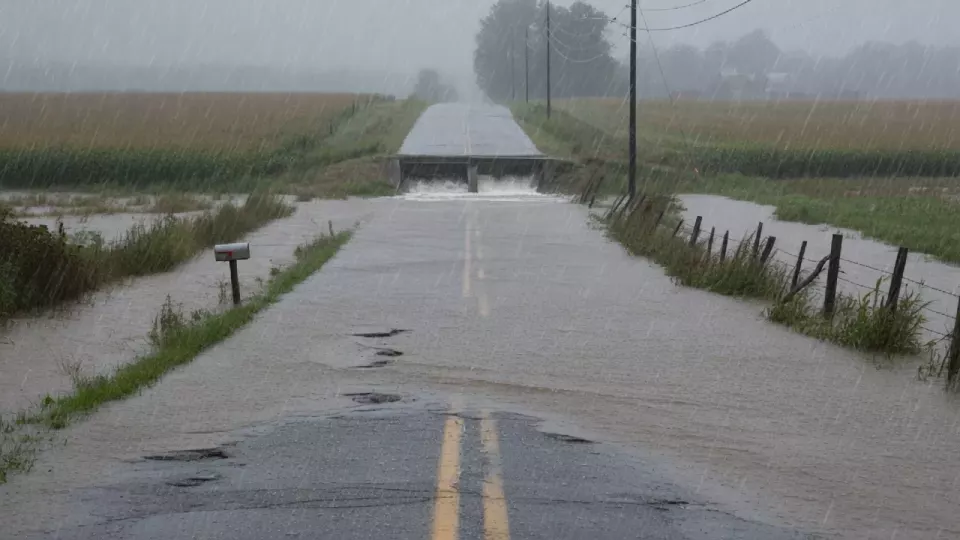
For Kenya, classic El Niño seasons load rainfall into the October–December short rains, raising flood risk for crops, roads and informal settlements. Analysts warn the shock lands on an economy already dealing with slowing growth, inflation pressure and tight budgets: public debt service consuming nearly half of government revenue and a fiscal deficit cited at 6.1 per cent leave limited room for large subsidies or open-ended disaster relief. Oxford Economics Africa also flags elevated global energy and fertiliser prices as amplifiers for African agriculture, recalling maize production drops of more than 50 per cent in some countries during the 2023–2024 El Niño-linked drought cycle.
Government readiness steps reported include late-June appointment of Deputy President Kithure Kindiki to lead an Ad Hoc Cabinet Committee on El Niño Preparedness and Response, activation of a National El Niño Contingency Plan (flood mitigation, evacuation and shelter, drainage clearance, reinforcement of vulnerable roads and bridges), and a Sh15 billion contingency fund. Kindiki has publicly urged calm; KMD director David Gikungu has stressed that outcomes still depend on drainage, settlement patterns, land degradation and infrastructure — meaning informal settlements can fail even under moderate rain if drains are blocked.
Environment desk: Environment. Verified: SOI -29.1 / 1983 comparator, 81% / 97% probability language as reported, Kindiki committee, Sh15bn fund, deficit and debt-service framing from the Standard package. Forecast probabilities are not guarantees; county flood maps and treasury releases will show whether contingency money reaches high-risk wards before the short rains peak.
Based on The Standard reporting of Oxford Economics Africa, BOM/CPC/KMD figures and government preparedness steps. Meteorological bulletins and cabinet circulars control official guidance.