KWS: cyanide poisoning killed 15 elephants in Amboseli landscape

Key points
- KWS confirmed cyanide poisoning killed 15 elephants near Amboseli.
- Conservationists say the method points to deliberate wildlife crime.
- Green groups want tighter controls on cyanide and related toxins.
- Elephant social structure and local tourism both take a hit from mass poisonings.
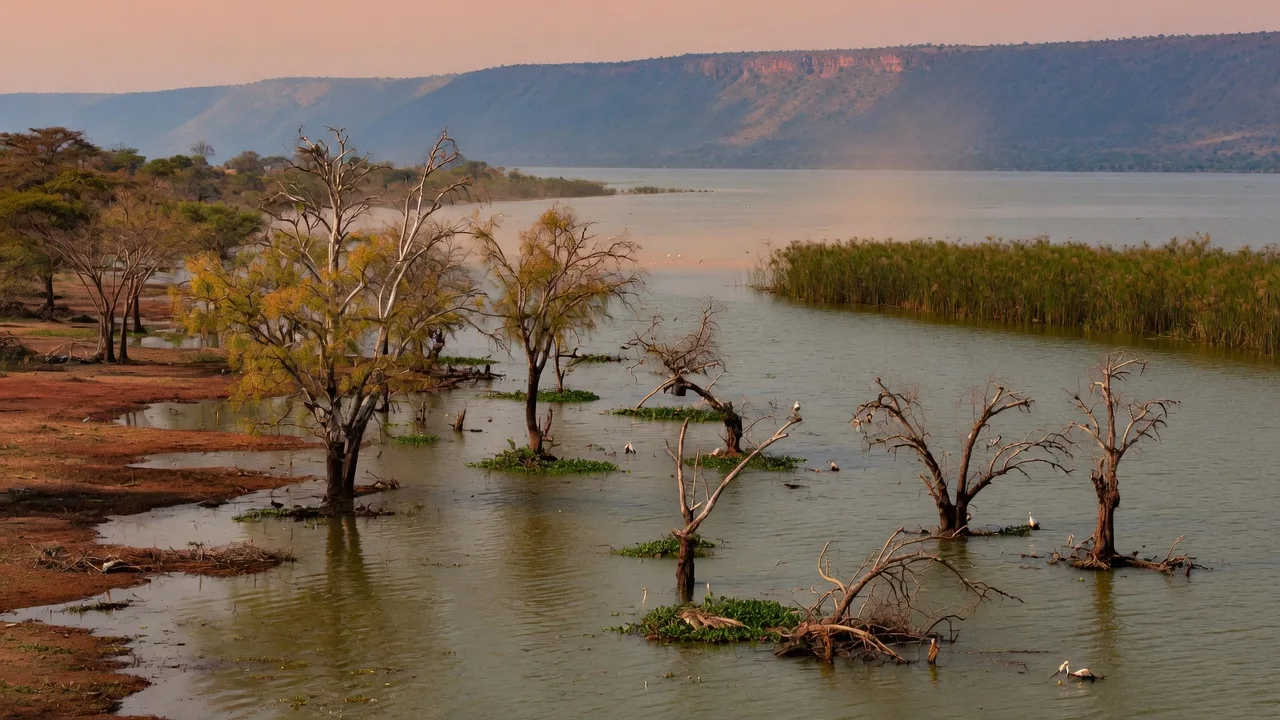
Kenya Wildlife Service has confirmed that cyanide poisoning caused the recent deaths of 15 elephants in the Amboseli landscape, a finding that has alarmed conservationists and neighbouring communities.
Nation.Africa’s field reporting described the episode as more than a one-off carcass count: cyanide is an industrial toxin sometimes diverted for wildlife crime, and its use signals organised intent rather than random conflict killing.
Eastleigh Voice reported KWS’s laboratory confirmation and noted green-movement groups urging tighter pesticide and hazardous-chemical controls after the deaths. Amboseli’s elephants range across park, conservancy and community land, so poisoned bait can travel far beyond a single fence line.
Poisoning is devastating because it can kill calves and matriarchs together, collapse social knowledge in herds, and contaminate scavengers that feed on carcasses. Rangers typically combine necropsy, scene forensics and community intelligence to identify culprits.
Tourism revenue in Kajiado and neighbouring counties depends on healthy elephant populations. A mass poisoning event therefore hits both biodiversity and local livelihoods. County governments and KWS will be under pressure to show arrests, not only press statements.
Anyone finding a carcass or suspicious bait should alert KWS or the nearest police post rather than handling remains. Public tips remain one of the most effective early-warning tools in wildlife crime cases.
Sources: Nation.Africa · Eastleigh Voice · Eastleigh Voice. This report paraphrases publicly available reporting; it does not republish third-party full text.