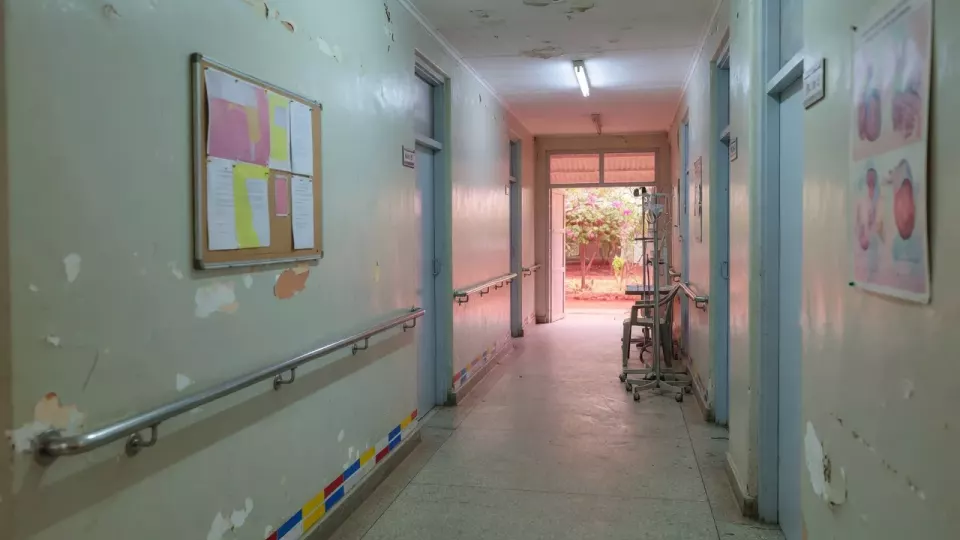
Kenya Launches National Cancer Screening Drive Targeting 2 Million Citizens
Health & Fitness

Kenya Launches National Cancer Screening Drive Targeting 2 Million Citizens

The Ministry of Health has launched Kenya’s most ambitious cancer screening campaign to date, setting a target of reaching two million citizens by December 2026. The National Cancer Screening Drive, unveiled by President William Ruto at Kenyatta National Hospital in Nairobi, prioritises cervical, breast, and colorectal cancers — the three malignancies that account for over 58 per cent of cancer-related deaths among Kenyans.

“Cancer has for too long been a death sentence in Kenya, not because it cannot be treated, but because we find it too late,” President Ruto said at the launch. “This programme will change that. We will bring screening to every woman in every ward, to every man in every village, so that we catch this disease when it is still curable.”

The campaign is coordinated through the Kenya National Cancer Institute and will deploy a network of 312 static screening centres at county and sub-county hospitals, supplemented by 94 mobile screening units that will rotate through urban markets, schools, and rural health posts. All screening services are free of charge for SHA members, while non-members can access cervical and breast screening at a subsidised fee of Ksh 200.

The Burden of Cancer in Kenya

Kenya registers approximately 47,000 new cancer cases annually, of which roughly 33,000 result in death. The staggering mortality-to-incidence ratio — higher than the global average — reflects a healthcare system where most patients present at Stage 3 or Stage 4 disease, when treatment options are limited and expensive. Cervical cancer alone kills an estimated 3,200 Kenyan women each year, despite being one of the most preventable cancers when caught early through Pap smear or HPV testing.

Oncology specialists have long argued that investment in screening infrastructure would yield greater lives saved per shilling spent than treatment alone. Dr Catherine Nyongesa, one of Kenya’s leading oncologists and Chief Executive of Texas Cancer Centre in Nairobi, said the launch represented a philosophical shift in how the government approaches the disease. “We have spent years lobbying for this moment. Early detection is not glamorous, but it saves lives at a fraction of the cost of chemotherapy,” she told ZaKenya.com.

The Ministry of Health has also integrated HPV vaccination into the programme, offering catch-up doses to girls and young women aged 15 to 24 who missed the school-based vaccination schedule. Officials estimate that 820,000 women in that age bracket have incomplete or no HPV vaccination records.

Technology and Community Outreach

The campaign relies heavily on digital infrastructure. Citizens can book screening appointments via the eCitizen platform or the SHA mobile application, and results are stored in a secure electronic health record system that links to the patient’s SHA profile. Abnormal results trigger an automated referral pathway to the nearest cancer treatment centre, with the system tracking whether the patient actually attended follow-up appointments.

Community health promoters have been tasked with reaching women who may be reluctant to seek cancer screening due to stigma or fear. In Murang’a County, which piloted an earlier version of the programme in 2025, uptake among women aged 30 to 49 reached 61 per cent of the target population within four months — a result the Ministry now considers a replicable model.

Funding for the campaign totals Ksh 6.2 billion over eighteen months, drawn from the SHA emergency and chronic illness fund, a Ksh 1.8 billion grant from the Global Fund’s cancer prevention window, and bilateral support from the Danish International Development Agency. Kenya’s National Cancer Control Strategy, approved by the Cabinet in March 2025, sets a goal of diagnosing 70 per cent of cancers at Stage 1 or Stage 2 by 2030 — a target that, if met, would represent one of the most dramatic improvements in cancer outcomes on the continent.

Read More
Kenya's Traditional Medicine Practitioners Seek Regulation and Integration into SHA
Health & Fitness

Kenya’s Traditional Medicine Practitioners Seek Regulation and Integration into SHA

On a Tuesday morning in Murang’a County, herbalist and healer Mama Wanjiku Njoroge receives her fourteenth patient before 10 a.m. She has no appointment system, no electronic record, and no formal medical qualification recognised by the Kenya Medical Practitioners and Dentists Council. She also has no shortage of patients. Drawn by decades of community trust, by the barrier-free access she provides — consultations cost whatever the patient can afford — and by geography that places her hut within walking distance of villages that are two hours from the nearest government dispensary, Mama Wanjiku is, for many of her neighbours, the first and sometimes only healthcare they will encounter.

Multiply her practice across Kenya’s 47 counties and you begin to understand the scale of the question now being formally pressed upon the Ministry of Health and the Social Health Authority: what role, if any, should the country’s estimated 40,000 traditional medicine practitioners play in the formalised national health architecture? A coalition of traditional healer associations, led by the Kenya Traditional Healers and Herbalists Association (KTHHA), has submitted a formal petition to Parliament’s Health Committee and the SHA Board calling for a statutory regulatory framework and a pathway to SHA accreditation for traditional medicine services.

The Scale of Traditional Medicine Use

The Ministry of Health’s own surveys consistently show that between 60 and 80 per cent of Kenyans use traditional medicine at some point during their healthcare journey, most commonly as a first resort before escalating to a biomedical facility or as a complement to conventional treatment. In rural and peri-urban areas, particularly in communities with strong cultural practices around healing — including significant portions of the Luo, Luhya, Kamba, Giriama, and Maasai communities — traditional practitioners serve as the de facto primary care system, managing conditions ranging from musculoskeletal pain and gastrointestinal illness to mental health crises and chronic disease.

KTHHA Chairman Mr. Kariuki Mwangi argues that ignoring this reality is not neutral — it is actively harmful. “The SHA was designed to achieve universal health coverage. If 70 per cent of Kenyans begin their health journey with us, and we are invisible to the SHA, then you do not have universal coverage. You have coverage for those who use the formal system first,” he told ZaKenya. “We are not asking to practise surgery. We are asking to be seen, to be accountable, and to be able to refer patients formally to the hospital system when they need it.”

The Regulatory Question

Kenya has no comprehensive legislation governing traditional medicine practice. The Traditional Health Practitioners Act has been in draft form since 2018, stalled in successive parliamentary sessions by a combination of medical lobby resistance, definitional disputes over what constitutes a traditional practice, and concerns about creating a parallel healthcare system that might divert patients from evidence-based treatment. The World Health Organisation’s Traditional Medicine Strategy 2019-2030 explicitly endorses the integration of quality-assured traditional medicine into national health systems, and a number of African countries — including South Africa, Ghana, Uganda, and Tanzania — have enacted statutory frameworks for registration and oversight of traditional practitioners.

Kenya’s medical establishment has been cautious, and in some quarters actively hostile. The Kenya Medical Association has supported a registration and education framework as a consumer protection measure — to protect patients from dangerous and fraudulent practitioners — while firmly opposing SHA reimbursement for traditional therapies lacking clinical evidence. Dr. Samuel Mwenda, KMA Chairman, drew a clear distinction: “We support knowing who is practising. We cannot support paying for treatments that have not been tested for safety and efficacy. That is not discrimination against culture — that is basic ethical medicine.”

A Path Toward Integration

The KTHHA proposal attempts to navigate this tension by proposing a phased framework. In phase one, all practitioners would register with a proposed Traditional Medicine Council, providing verifiable identity, a description of their practice, and community character references. Phase two would involve a skills assessment and basic training in patient safety, hygiene, record-keeping, and referral protocols. Phase three, for practitioners meeting quality benchmarks, would allow SHA accreditation for a defined basket of non-invasive services — herbal consultations, dietary counselling, and traditional physiotherapy — with mandatory referral protocols for conditions requiring biomedical intervention.

The Ruto administration’s Universal Health Coverage agenda, anchored in the SHA rollout, has created political space for this conversation that did not exist under previous administrations. With the 2027 elections approaching and the government seeking to demonstrate that SHA serves all Kenyans rather than the urban formal-sector majority, the political calculus of welcoming traditional practitioners into the health tent has shifted. A joint technical working group between the Ministry of Health, the SHA, and the KTHHA began meeting in May, with a report expected before parliament’s September session. For Mama Wanjiku and the millions of Kenyans who depend on practitioners like her, the outcome matters profoundly.

Read More
Kenya's Sports Medicine Facilities Upgraded Ahead of 2028 Olympic Preparations
Health & Fitness

Kenya’s Sports Medicine Facilities Upgraded Ahead of 2028 Olympic Preparations

With the Los Angeles 2028 Olympics now less than two years away, Kenya’s sports establishment is in a race of its own: to build the medical and scientific support infrastructure that can sustain its athletes through the most gruelling preparatory cycle of their careers. Two new high-performance sports medicine centres — one at the Moi International Sports Centre in Kasarani, Nairobi, and one at the Eldoret Athletic High Performance Institute that serves the Rift Valley training camps — were formally commissioned by Sports Cabinet Secretary Salim Mvurya last month, representing the most significant investment in Kenyan sports medicine since the country established its first dedicated sports physiotherapy unit in 2008.

The Kasarani centre, a Ksh 780 million facility partly funded through a Sports Development Fund allocation and a partnership with the Kenyan diaspora foundation Athletics Kenya Abroad, houses a full sports medicine clinic, a biomechanics laboratory with 3D gait analysis capabilities, altitude simulation chambers, hydrotherapy pools, a sports psychology unit, and a nutritional science laboratory capable of conducting athlete metabolic profiling. The Eldoret facility, smaller but strategically located near the legendary Iten training camps where Kenya’s distance runners have long gathered, provides orthopaedic clinic services, physiotherapy, and an anti-doping education centre.

Why Now, Why This

Kenya’s Olympic record is the envy of the African continent: 107 medals since its first Games in 1956, with the distance running tradition anchored in the Kalenjin highlands producing legends from Kipchoge Keino to Eliud Kipchoge. But the country’s elite athletes have long operated in a paradox: world-class running ability serviced by inadequate medical infrastructure. Injuries that could be detected early through systematic musculoskeletal screening have gone undiagnosed until they became career-ending. Nutrition guidance — critical for endurance athletes performing at altitude — has been informal and inconsistent. Sports psychology support has been almost entirely absent for athletes below the international marquee level.

Athletics Kenya President Jackson Tuwei described the new facilities as correcting a long-standing injustice. “Our athletes win gold medals and then train in conditions that professional footballers in mid-table European leagues would refuse,” he said at the Kasarani opening. “We have been extracting excellence from them and giving nothing back in terms of science and medicine. That changes now.” The International Olympic Committee’s Athlete365 programme has provided technical support for both facilities’ clinical protocols, and three sports medicine physicians recruited from South Africa and the United Kingdom have been embedded in the Kasarani centre on two-year contracts.

The Anti-Doping Dimension

Kenya’s fraught relationship with anti-doping enforcement casts a long shadow over Olympic preparations. The country was placed in Category A — the highest-risk classification — by the Athletics Integrity Unit in 2022, and while subsequent compliance improvements have reduced the number of active sanctions, Kenya enters the 2028 cycle with its reputation still under international scrutiny. The Eldoret facility’s anti-doping education centre is a direct response to this pressure, delivering workshops to coaches, agents, and athletes on Whereabouts obligations, therapeutic use exemptions, and the risks of contaminated supplements — the most common explanation advanced by Kenyan athletes who have returned adverse analytical findings.

The World Anti-Doping Agency, in a rare gesture of support, co-funded the Eldoret anti-doping unit to the tune of USD 400,000. Sports scientists working with the programme are also piloting a supplement testing service — allowing athletes to submit products for independent analysis before consumption — that mirrors models operating in Jamaica and the United Kingdom. Adoption has been slow among senior athletes, some of whom remain deeply suspicious of institutional oversight, but coaches at the major training camps report growing uptake among emerging talent aged under 22.

Beyond Athletics

Though long-distance running dominates Kenya’s Olympic identity, the 2028 preparations are also investing in sports medicine support for rugby sevens — where Kenya’s national team, the Shujaa, has become a consistent World Series contender — and for swimming, where the national programme has set an ambitious target of qualifying its first sub-Olympic-standard finalists in a decade. The facilities at Kasarani will serve these codes alongside athletics, and a sports medicine outreach programme targeting county-level youth academies is designed to begin identifying and medically monitoring talent from as young as 14. For a country that has long exported athletic genius while underinvesting in the infrastructure to nurture it, the 2028 cycle may mark a genuine turning point.

Read More
Mpox Vigilance Maintained in Kenya as East Africa Sees Sporadic Cases
Health & Fitness

Mpox Vigilance Maintained in Kenya as East Africa Sees Sporadic Cases

Kenya’s Ministry of Health confirmed on Tuesday that the country remains on heightened Mpox alert following a cluster of sporadic cases reported in Uganda and Tanzania over the past six weeks, though no confirmed domestic cases have been detected in 2026. The announcement, delivered by Ministry Spokesman Dr. Lindwa Wamae at a press briefing in Nairobi, came alongside the activation of enhanced health screening at Jomo Kenyatta International Airport, Wilson Airport, and four major land border crossings, including Malaba and Namanga.

The East African situation reflects a continuing, if diminished, epidemiological tail from the Clade Ib variant that drove the 2024 regional emergency. At its peak in late 2024, the Democratic Republic of Congo was recording over 26,000 suspected cases per week, and transmission chains had been confirmed in Rwanda, Uganda, and Burundi. Kenya activated its national Mpox Incident Command Structure in September 2024 and conducted an emergency vaccination campaign targeting healthcare workers and high-risk populations that reached approximately 38,000 people using Modified Vaccinia Ankara (MVA-BN) doses provided through the Africa Centres for Disease Control and Prevention.

The Current Threat Assessment

The sporadic cases now being reported in Uganda — seven confirmed in the Mbale region bordering Kenya over a six-week period — are not indicative of a new outbreak at scale, according to the WHO’s East Africa Regional Office. However, they demonstrate that transmission chains established during the 2024 emergency have not been fully extinguished, and that border communities remain exposed. Mpox surveillance in East Africa depends on the strength of national epidemiological systems, which vary considerably across the bloc: Kenya’s network of 47 county public health laboratories, all linked to the National Public Health Laboratory Services electronic platform, provides significantly more robust early-warning capacity than most of its neighbours.

Dr. Wamae was explicit about Kenya’s current standing. “We are not in an outbreak. We are in a heightened surveillance posture. There is a meaningful difference,” he said. “Our border health teams are conducting visual screening and questionnaire assessment for travellers presenting with febrile illness and rash. Any suspected case is being isolated and tested within 24 hours. Our laboratory turnaround time for Mpox PCR is now six hours at NPHL and 24 hours at all 47 county reference laboratories.”

The Ministry’s rapid response capacity has been materially strengthened since 2024. Kenya now holds a national stockpile of 15,000 MVA-BN vaccine doses — procured with support from GAVI and maintained at cold-chain facilities in Nairobi, Mombasa, and Kisumu — that can be deployed to any county within 48 hours of a confirmed outbreak. Personal protective equipment supplies at health facilities designated as Mpox isolation units have been audited and restocked following lessons learned from the 2024 response, when PPE shortages delayed healthcare worker vaccination.

EAC Coordination

At the East African Community level, Kenya has been among the most vocal advocates for a unified regional Mpox response framework, pushing at the June 2026 EAC Health Ministers meeting in Arusha for real-time case notification between member states, standardised case definitions, and joint procurement of antiviral treatments including tecovirimat (TPOXX), which has shown clinical benefit in severe Mpox cases but remains expensive and poorly distributed across the region.

Tanzania’s recent cases have triggered particular attention given the volume of cross-border movement — both formal and informal — on the Namanga corridor and between Lake Victoria communities. Kenya’s county health officers in Kajiado, Narok, and Migori have been instructed to brief border-area healthcare facilities weekly and to maintain Mpox case investigation teams on standby. The Africa CDC’s continental surveillance dashboard, to which Kenya now contributes daily data feeds, shows the broader picture: 14 African countries have reported confirmed or probable Mpox cases in the current calendar year, with the DRC still accounting for over 70 per cent of the continental burden.

Public Communication Strategy

Health authorities have been careful to avoid generating public alarm while maintaining genuine vigilance. The Ministry’s communications team has circulated guidance in Swahili and five regional languages on recognising Mpox symptoms — fever, rash progressing to fluid-filled blisters, swollen lymph nodes — and on when to seek care. Community health promoters, the frontline network of 100,000 trained volunteers that has become central to Kenya’s primary health care architecture, have been briefed on case referral protocols. The message being emphasised is consistent: Mpox is containable, Kenya is prepared, and the public can help by reporting symptoms early. So far, that message is holding.

Read More
Eye Disease Burden in Kenya: Thousands Lose Sight to Preventable Conditions Yearly
Health & Fitness

Eye Disease Burden in Kenya: Thousands Lose Sight to Preventable Conditions Yearly

Kenya has an estimated 800,000 blind people and 2.4 million with moderate-to-severe visual impairment, according to the Ministry of Health’s 2025 national eye survey — and the majority of these cases involve conditions that are either preventable, treatable, or both. Cataracts account for 43 per cent of blindness nationally. Glaucoma, almost always manageable if caught early, is responsible for a further 18 per cent. Trachoma, a bacterial infection eliminated decades ago in most developed countries, continues to cause blindness in Kenya’s arid north. Behind each of these statistics lies a health system struggling to deliver the affordable, accessible eye care that could halt this silent epidemic.

Kenya has approximately 700 ophthalmologists — a ratio of one per 83,000 people that is already inadequate by global standards, but which again obscures a devastating geographic imbalance. Approximately 580 of those specialists practice in Nairobi, Mombasa, Kisumu, and Nakuru. The remaining 120 serve the rest of the country, including the 34 counties where the need is greatest. Optometrists and ophthalmic clinical officers extend coverage somewhat, but surgical procedures — cataract operations, glaucoma drainage, corneal transplants — can only be performed by qualified ophthalmologists, and those remain concentrated in urban private practice.

Cataracts: A Curable Crisis

The cataract situation is perhaps the most frustrating aspect of Kenya’s eye disease burden, because the solution is well-understood, widely available in theory, and affordable at scale. A cataract extraction with intraocular lens implant takes between 15 and 30 minutes, can restore vision from near-total blindness to near-normal sight, and costs approximately Ksh 15,000 to 25,000 in the public system — a fraction of the Ksh 120,000 to 200,000 charged at private facilities.

The barrier is not surgical knowledge but surgical throughput. Kenya’s public hospitals currently perform approximately 40,000 cataract operations annually against an estimated need of 120,000. The backlog — built over years of under-investment in ophthalmic theatre time, equipment, and consumables — means that patients who present with treatable cataracts may wait 18 months or longer for an operation, during which time their condition deteriorates and the surgery becomes more complicated. The SHA has included cataract extraction in its surgical benefits schedule, but accredited facilities with functional ophthalmic theatres number fewer than 60 nationwide.

Dr. Francisca Mutuku of the Kenya Society of Ophthalmologists described the situation with undisguised frustration. “We are talking about a 15-minute procedure that costs less than a family dinner in Nairobi, and people are going permanently blind for lack of it. That is not a medical problem. It is a political and organisational failure,” she told ZaKenya. Her society has been advocating for high-volume cataract surgical camps — a model pioneered by Aravind Eye Care in India — that can process 200 or more procedures per day using streamlined protocols and task-sharing with trained ophthalmic nurses. Pilot camps in Machakos and Meru last year each cleared over 400 backlogged patients in a single week.

Trachoma and the Northern Frontier

In Turkana, Samburu, West Pokot, and Marsabit counties, trachoma remains an active public health threat, with the Ministry of Health’s 2025 survey recording trachomatous trichiasis — the late-stage scarring that directly causes blindness — in between 2.3 and 4.7 per cent of adults in the worst-affected communities. The SAFE strategy (Surgery, Antibiotics, Facial cleanliness, Environmental improvement) endorsed by the WHO is the established response, and Kenya has made genuine progress: the number of endemic trachoma districts has fallen from 23 in 2014 to 11 in 2026. But health workers in the field report that antibiotic distribution through azithromycin mass drug administration campaigns is inconsistent, with supply chain failures leaving communities unprotected in alternate years.

Vision for the Future

The government’s fourth eye health strategic plan, launched earlier this year, sets a target of eliminating avoidable blindness by 2030, with specific commitments to increase annual cataract surgical output to 80,000 by 2027 and to train 200 additional ophthalmic clinical officers for rural deployment. International NGO Sightsavers has committed Ksh 2.3 billion over five years in partnership with the Ministry to support trachoma elimination and glaucoma screening programmes across 14 counties. Whether these commitments will be honoured in full under the current fiscal environment remains uncertain. But the technology, the trained personnel, and the clinical protocols to end preventable blindness in Kenya all exist. What has been missing, advocates say, is the political will to treat eye health as the emergency it plainly is.

Read More
Kenya's Telemedicine Uptake Rises 200% as Rural Clinics Get Satellite Connectivity
Health & Fitness

Kenya’s Telemedicine Uptake Rises 200% as Rural Clinics Get Satellite Connectivity

The number of telemedicine consultations conducted through Kenya’s national health system has risen by 200 per cent in the twelve months to June 2026, according to Ministry of Health data — a surge driven not by urban technology adoption but by a quiet revolution in rural connectivity that is fundamentally changing how millions of Kenyans access specialist care. At the heart of the shift is the Universal Connectivity for Health initiative, a public-private partnership that has installed satellite internet terminals at 1,340 rural and peri-urban health facilities since its launch in October 2024.

The programme, co-funded by the government and a consortium including Safaricom, Telkom Kenya, and international development partners, provides each facility with a 50 Mbps symmetrical satellite connection capable of supporting high-definition video consultations, real-time digital x-ray transmission, and integration with the SHA’s electronic claims processing system. Where previously a nurse at a dispensary in Lamu’s hinterland might spend three days attempting to reach a specialist by telephone — often relying on a shared mobile phone with patchy network coverage — they can now initiate a video consultation with a physician at a referral hospital within minutes.

Numbers That Tell a Story

In the 2024-2025 financial year, the national health information system recorded 412,000 telemedicine consultations across all participating platforms. In the first five months of 2026 alone, that figure had already reached 620,000, with the Ministry projecting the year-end total will approach 1.5 million. The most consulted specialties are dermatology, mental health, orthopaedics, and ophthalmology — disciplines where image or video transmission adds significant diagnostic value over a voice call and where specialist shortages are most acute in rural settings.

Mental health has emerged as a particularly striking success story. Kenya has approximately 100 psychiatrists for a population of 58 million. Before telemedicine connectivity, patients in rural counties requiring psychiatric assessment faced waits of up to eight months for an in-person appointment at a referral hospital. The Mathare National Hospital’s telepsychiatry programme, now linked to 340 rural facilities, completed over 28,000 remote psychiatric consultations in the first half of 2026, with prescriptions transmitted electronically to the nearest accredited pharmacy through the SHA drug dispensing network.

Safaricom’s Role and 5G’s Promise

Safaricom’s expanding 5G network — now live in Nairobi, Mombasa, Kisumu, Nakuru, Eldoret, and Thika — provides the backbone for urban telemedicine infrastructure, while the satellite connectivity programme addresses the last-mile challenge in areas where ground-based 4G coverage remains incomplete. The integration of M-Pesa’s digital payment infrastructure into telemedicine billing has been particularly significant: patients can pay consultation fees or access SHA co-payment waivers through the same M-Pesa ecosystem they use for daily transactions, dramatically reducing friction in the payment journey and improving facility revenue collection.

Dr. James Macharia, the Ministry of Health’s Director of Digital Health, said the connectivity programme had exceeded expectations. “We budgeted for 1,000 facilities by end of 2025 and reached 1,340 ahead of schedule,” he told ZaKenya. “The usage data show that once you give a facility connectivity, utilisation rises within weeks. Nurses and clinical officers are entrepreneurial. They find the use cases. They start calling Nairobi Hospital for a second opinion on an ECG. They send a dermatology photo to Kenyatta National. The system was always there — it just needed the bandwidth.”

Challenges That Remain

Digital health advocates caution against premature triumphalism. Approximately 15 per cent of satellite-connected facilities report intermittent outages lasting more than 24 hours, partly due to dish alignment issues in high-wind environments and partly due to delays in satellite operator maintenance response. Device availability remains a constraint: fewer than 40 per cent of rural facilities have dedicated telemedicine tablets or computers, with many consultations conducted on clinical officers’ personal smartphones, raising data privacy concerns that the Kenya Health Informatics Association has formally raised with the Ministry.

Training is the other persistent gap. A Ministry audit found that only 62 per cent of clinical staff at connected facilities had received formal training on the telemedicine platforms in use, and just 41 per cent felt confident managing a complex consultation remotely. The government’s response — a 12-week online certification course launched in March and accessible through Kenya’s national e-learning portal — has enrolled 8,000 health workers to date. The target is 25,000 by December. The revolution in rural connectivity is real. Translating it into consistently high-quality care will require sustained investment in the human software, not just the digital hardware.

Read More
Kenya's Nutritional Crisis: 1 in 5 Children Under Five Stunted in Arid Counties
Health & Fitness

Kenya’s Nutritional Crisis: 1 in 5 Children Under Five Stunted in Arid Counties

One in every five children under the age of five in Kenya’s arid and semi-arid lands is stunted — their physical and cognitive development permanently compromised by chronic undernutrition — according to the Kenya Demographic and Health Survey supplementary report released by the Ministry of Health in June 2026. In the worst-affected counties of Turkana, Wajir, Mandera, and Samburu, the stunting rate rises to 28 per cent, more than three times the national average of eight per cent and well above the World Health Organisation’s emergency threshold of 15 per cent.

The findings land against the backdrop of a protracted food security emergency in Kenya’s north and northeast, where the aftermath of the El Niño rains of 2023-2024 — which caused devastating floods followed by prolonged dry spells — has disrupted both pastoralist livelihoods and small-scale agriculture for the third consecutive year. The World Food Programme estimates that 2.4 million Kenyans remain in acute food insecurity as of mid-2026, with children under five and lactating mothers disproportionately affected by the collapse in dietary diversity that extended drought and displacement produce.

More Than Hunger: A Systemic Failure

Nutritionists are careful to distinguish stunting — which reflects chronic, long-term undernutrition rather than acute hunger — from the more visible crisis of acute wasting. Stunting is the invisible emergency: children may appear physically present and functional while their brains are developing at permanently reduced capacity. Research consistently links early-childhood stunting to reduced educational attainment, lower adult earnings, and increased susceptibility to non-communicable disease in later life, creating what economists describe as an intergenerational poverty trap.

Dr. Lucy Muita, Director of Nutrition at the Ministry of Health, said the figures should be read as evidence of structural failure rather than a single-season crisis. “Stunting is measured at 24 to 59 months. The children showing these numbers today were gestating and being born during the drought emergency of 2022 to 2023. We failed them before they were old enough to show symptoms,” she said. “The window to prevent stunting is the first 1,000 days of life. That is where our investment must be concentrated.”

The SHA’s maternal and child health package includes free antenatal care visits, iron and folate supplementation, and facility-based delivery — all of which are positively associated with reduced stunting risk. However, SHA uptake in ASAL counties remains below 40 per cent, hampered by poor network coverage, low digital literacy among beneficiaries, and the sheer distances involved in reaching accredited facilities. A mother in rural Mandera may live 80 kilometres from the nearest SHA-accredited facility, making four antenatal visits practically impossible without direct transport support.

Government and Partner Response

The national government, in partnership with UNICEF, WFP, and the European Union, launched the Kenya Integrated Nutrition Programme in January 2026 with a budget of Ksh 8.7 billion over three years. The programme targets 200,000 children under five and 60,000 pregnant women across 11 ASAL counties with a package including ready-to-use therapeutic food distribution, blanket supplementary feeding during lean seasons, community-based management of acute malnutrition, and nutrition counselling delivered through community health promoters.

Community health promoters — the frontline workforce of 100,000 trained volunteers established under the Primary Health Care Act — are seen as the critical delivery mechanism in areas without fixed health facilities. Each promoter is now equipped with a mid-upper arm circumference tape and a simple screening protocol. Early results from Marsabit County, where the programme launched as a pilot in September 2025, show a 19 per cent reduction in severe acute malnutrition cases presenting at the county referral hospital within six months.

The Politics of Hunger

Advocacy groups have warned that with the 2027 general elections approaching, the political temptation to pursue food aid distributions — which are visible and vote-productive — over unglamorous long-term nutrition investments could set back gains already achieved. The Gen Z civic movement, increasingly engaged with development issues since its emergence in 2024, has begun amplifying calls for a dedicated constitutional allocation for nutrition in ASAL areas, modelled on the existing equitable share formula for health. Parliament’s Committee on Health is expected to table a report on nutrition governance in September. Children in Turkana and Mandera cannot wait much longer.

Read More
New Gertrude's Hospital Branch in Kisumu Serves Western Kenya's Paediatric Needs
Health & Fitness

New Gertrude’s Hospital Branch in Kisumu Serves Western Kenya’s Paediatric Needs

Gertrude’s Children’s Hospital, East Africa’s largest dedicated paediatric facility, officially opened its Kisumu branch on 23 June 2026 in a ceremony attended by Health Cabinet Secretary Dr. Aden Duale and Kisumu Governor Prof. Anyang’ Nyong’o. The Ksh 1.4 billion facility, located along Oginga Odinga Street in the city centre, marks the first major private paediatric hospital to establish a full-service presence in western Kenya, a region of approximately 15 million people that has historically been compelled to refer complex child health cases to Nairobi.

The 80-bed hospital is equipped with a 12-bed neonatal intensive care unit, a paediatric high-dependency unit, operating theatres for neonatal and paediatric surgery, a dedicated oncology day-care ward, and outpatient specialist clinics covering cardiology, neurology, nephrology, orthopaedics, and developmental paediatrics. It is SHA-accredited, meaning families enrolled in the Social Health Authority can access inpatient and outpatient paediatric services under the national benefit schedule — a provision that Gertrude’s CEO Adil Bhimji described as central to the facility’s mission.

Filling a Critical Gap

The Kisumu opening addresses a longstanding inequity in Kenya’s health geography. For complex paediatric cases — congenital heart defects, childhood cancers, severe neonatal complications — families in Kisumu, Homa Bay, Migori, Siaya, Kisii, and the surrounding counties have had three unappealing options: navigate the overstretched public system at Jaramogi Oginga Odinga Teaching and Referral Hospital, undertake an expensive and exhausting journey to Nairobi, or forgo specialist care entirely. An estimated 35 per cent of paediatric referrals from western Kenya to Nairobi-based facilities are recorded as either not attending or presenting after significant delay, with clinical deterioration a frequent consequence.

Dr. Catherine Ombok, the branch’s Medical Director, previously led the neonatal unit at Jaramogi and spent nine years documenting the referral crisis from the public sector side. “We were losing children to distances, not to lack of medical knowledge,” she told ZaKenya. “A premature baby needing a ventilator cannot survive a five-hour road journey to Nairobi. We now have ventilators here. That changes everything for the families of western Kenya.”

The facility will also function as a training hub. A memorandum of understanding signed with Maseno University School of Medicine and the University of Nairobi’s Department of Paediatrics provides for postgraduate clinical rotations, with the long-term goal of growing a specialist paediatric workforce rooted in the region rather than trained in Nairobi and then retained there. Brain drain within Kenya — from rural counties to the capital and from the capital to the Gulf and UK — is as significant a constraint on specialist access as brain drain to foreign countries.

SHA Integration and Accessibility

SHA accreditation means the Kisumu branch can process claims digitally through the SHA portal for covered services including consultations, investigations, inpatient care, and neonatal intensive care stays up to prescribed limits. However, health financing experts caution that the SHA paediatric benefit ceiling — capped at Ksh 150,000 for a single inpatient episode — may prove inadequate for high-cost neonatal ICU stays, which routinely exceed Ksh 400,000 for very premature infants. Gertrude’s has indicated it will operate a charitable care fund to bridge gaps for families who exhaust SHA limits, seeded with Ksh 50 million in the inaugural year from its foundation arm.

The opening has been welcomed by child health organisations across the region. Save the Children Kenya’s Country Director noted that western Kenya accounts for a disproportionate share of Kenya’s under-five mortality, driven by high rates of malaria, severe acute malnutrition, and neonatal complications. Governor Nyong’o, a longstanding advocate for equitable health investment, described the facility as the most significant addition to Kisumu’s health infrastructure since the expansion of Jaramogi Referral Hospital a decade ago. “Our children deserve the same standard of care as children in Nairobi’s Karen or Westlands,” he said. “Today we move closer to that standard.”

What Comes Next

Gertrude’s management has indicated that a second western Kenya satellite clinic in Kakamega is under feasibility assessment, contingent on the performance of the Kisumu flagship in its first 18 months. If demand projections hold — and with a catchment population of 15 million and rising SHA enrolment, they are likely to — western Kenya may finally be developing the private paediatric infrastructure its children have long needed and deserved.

Read More
Tobacco Control Bill Passes Third Reading, Raising Cigarette Tax by 80%
Health & Fitness

Tobacco Control Bill Passes Third Reading, Raising Cigarette Tax by 80%

In a vote that health advocates are describing as a generational victory, Kenya’s National Assembly passed the Tobacco Products Control Amendment Bill 2026 on Thursday evening by 198 votes to 67, raising excise duty on cigarettes by 80 per cent and introducing sweeping restrictions on tobacco marketing that go further than any previous legislation on the continent. The bill now awaits presidential assent, which the administration has signalled will be forthcoming within 21 days.

Under the new schedule, the excise duty on a pack of 20 cigarettes will rise from the current Ksh 3.04 per stick to Ksh 5.47, effective 1 October 2026. Combined with existing VAT and import levies, the final retail price of the cheapest locally available brand is projected to rise from approximately Ksh 65 to Ksh 112 per pack — a 72 per cent increase that economists at the Kenya Institute for Public Policy Research and Analysis estimate will reduce consumption among low-income adult smokers by between 15 and 22 per cent within the first two years.

A Long Legislative Journey

The bill’s passage ends a five-year campaign by public health organisations, including the Kenya Tobacco Control Alliance and the African Tobacco Control Alliance, against sustained lobbying from British American Tobacco Kenya and Japan Tobacco International, which together hold approximately 90 per cent of the formal cigarette market. Industry representatives had argued before the Finance and National Planning Committee that the tax increase would drive consumers toward illicit cheap imports, undermining both public health goals and KRA revenue.

Those arguments found some traction in committee, where a compromise was reached linking the tax increase to a simultaneous crackdown on illicit trade. The final bill allocates Ksh 1.2 billion annually from tobacco excise revenues to the Kenya Revenue Authority for enhanced customs enforcement at border points, including Malaba, Namanga, and Isebania, where smuggled cigarettes from Uganda, Tanzania, and Ethiopia are known to enter. A digital tax-stamp programme, piloted in 2024, will be expanded to all tobacco products under secondary legislation to be gazetted within six months.

Health Cabinet Secretary Dr. Aden Duale welcomed the vote as a milestone in Kenya’s commitment to the WHO Framework Convention on Tobacco Control. “Four and a half million Kenyans smoke. Every year, tobacco-related illness costs our health system an estimated Ksh 18 billion in treatment — cancer, chronic obstructive pulmonary disease, cardiovascular complications,” he said. “The SHA cannot be financially sustainable if we are simultaneously treating diseases that are entirely preventable. This bill is a health decision and a fiscal decision.”

Beyond the Tax: Wider Provisions

The legislation goes significantly further than the tax hike alone. Plain packaging requirements, mandating that all tobacco products sold in Kenya display standardised packs with graphic health warnings covering 75 per cent of the surface area, will come into force on 1 January 2027, making Kenya only the fourth African country after Mauritius, South Africa, and Ethiopia to adopt such rules. Tobacco advertising in all media — including digital platforms, which had partially escaped previous advertising bans — is now explicitly prohibited, with penalties of up to Ksh 10 million for corporate violators.

Equally significant is a provision banning the sale of single cigarettes, a practice known locally as loose or chura sales that makes tobacco accessible to school-age consumers unable to afford full packs. Enforcement of this provision is likely to be challenging given that an estimated 40 per cent of cigarettes in Kenya are sold individually from kiosks and roadside dukas, but child health campaigners have long identified it as the primary gateway to adolescent smoking.

Industry and Consumer Response

BAT Kenya’s shares fell 6.3 per cent on the Nairobi Securities Exchange in the session following the vote, though analysts noted the company had been reducing its Kenya manufacturing footprint for several years in anticipation of tightening regulation. Consumer rights groups cautiously supported the bill while calling for parallel investment in cessation services — Kenya currently has fewer than 30 dedicated smoking cessation clinics nationwide — to help existing smokers quit rather than simply driving them to cheaper illicit alternatives. That balance, observers say, will ultimately determine whether the legislation saves lives or merely shifts the market.

Read More
Kenya's National Blood Transfusion Service Faces Critical Shortage Ahead of Surgical Surge
Health & Fitness

Kenya’s National Blood Transfusion Service Faces Critical Shortage Ahead of Surgical Surge

Kenya’s national blood supply has dropped to critically low levels at precisely the moment when demand is set to surge, the Kenya National Blood Transfusion Service (KNBTS) warned in an urgent communiqué issued to county health directors last month. The service currently holds approximately 65,000 units of blood against a safe minimum threshold of 90,000 units — a shortfall of nearly 28 per cent that has prompted emergency appeals to faith-based organisations, universities, and corporate donors across the country.

The timing could not be more fraught. The Social Health Authority’s expanded surgical benefits package, which came into full effect in April 2026, has dramatically increased the volume of elective and semi-elective procedures being booked at county referral hospitals. Orthopaedic surgeries, caesarean sections, and oncological operations — previously deferred by patients unable to afford NHIF co-payments — are now flooding theatre lists. Each of these procedures carries a significant blood transfusion risk, and the KNBTS infrastructure has not scaled to match.

A System Strained at Its Seams

Dr. Margaret Oloo, Director of the KNBTS, said her agency collects roughly 450,000 units of blood annually against a national need estimated at 700,000 units. “We have never reached adequacy,” she said at a press briefing in Nairobi. “But the SHA surgical surge has accelerated the gap. We are now seeing hospitals calling us daily for emergency blood releases, and we are having to ration. That is not a situation any transfusion service wants to be in.”

The regional picture is particularly alarming. Western Kenya’s major hospitals — Jaramogi Oginga Odinga Teaching and Referral Hospital in Kisumu, Kakamega County General, and Kisii Teaching and Referral — between them have recorded a 34 per cent increase in surgical throughput since January. Blood stocks available to the western region currently cover fewer than four days of demand, against a recommended buffer of ten days.

The crisis has been compounded by logistical failures within the cold-chain network. An audit conducted by the Ministry of Health in May found that seven of the 15 regional blood banks maintained below-standard refrigeration conditions, resulting in an estimated 8,000 units being discarded in the first quarter of 2026 alone. Procurement of replacement refrigeration units is pending a Treasury approval that has been delayed by the government’s fiscal consolidation programme under its IMF standby arrangement.

The Donor Gap

Kenya’s voluntary non-remunerated blood donation rate stands at approximately 1.1 units per 100 people annually, below the World Health Organisation’s recommended minimum of 1.5 units. Cultural hesitancy, fear of needles, and misinformation — particularly the persistent myth that donated blood is sold commercially — continue to suppress participation. The KNBTS’s social media campaigns, boosted in partnership with Safaricom’s internal communications network to reach M-Pesa users, have yielded modest gains but not at the scale required.

Youth-led civic organisations, energised by the Gen Z political awakening that reshaped Kenya’s public discourse following the 2024 protests, have begun mobilising donation drives on university campuses. Students at the University of Nairobi, Kenyatta University, and Moi University collectively donated over 12,000 units in June, a record for a single month driven largely by social media coordination through platforms including X and TikTok.

Structural Solutions Needed

Health experts argue that voluntary campaigns alone cannot close a structural gap that requires systemic investment. Proposals under consideration include integrating blood donation check-in points at Huduma Centres, linking donation records to the SHA digital health identifier to offer priority outpatient queuing benefits, and mandating blood donation as a component of the National Youth Service curriculum. A parliamentary committee on health is scheduled to hear testimony on the crisis in the coming weeks, with cross-party support emerging for a dedicated emergency blood infrastructure allocation in the supplementary budget. For patients awaiting surgery at Kenya’s referral hospitals, the urgency is absolute.

Read More