Kenya's Sports Medicine Facilities Upgraded Ahead of 2028 Olympic Preparations
With the Los Angeles 2028 Olympics now less than two years away, Kenya's sports establishment is in a race of its own: to build the medical and scientific support infrastructure that can sustain its athletes through the most gruelling preparatory cycle of their careers. Two new high-performance sports medicine centres — one at the Moi International Sports Centre in Kasarani, Nairobi, and one at the Eldoret Athletic High Performance Institute that serves the Rift Valley training camps — were formally commissioned by Sports Cabinet Secretary Salim Mvurya last month, representing the most significant investment in Kenyan sports medicine since the country established its first dedicated sports physiotherapy unit in 2008.
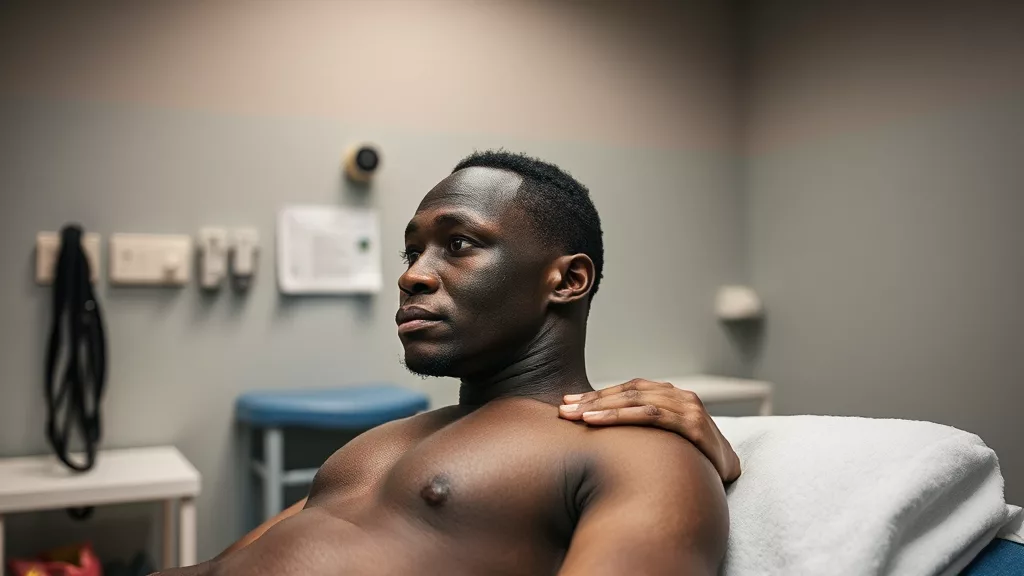
The Kasarani centre, a Ksh 780 million facility partly funded through a Sports Development Fund allocation and a partnership with the Kenyan diaspora foundation Athletics Kenya Abroad, houses a full sports medicine clinic, a biomechanics laboratory with 3D gait analysis capabilities, altitude simulation chambers, hydrotherapy pools, a sports psychology unit, and a nutritional science laboratory capable of conducting athlete metabolic profiling. The Eldoret facility, smaller but strategically located near the legendary Iten training camps where Kenya's distance runners have long gathered, provides orthopaedic clinic services, physiotherapy, and an anti-doping education centre.
Why Now, Why This
Kenya's Olympic record is the envy of the African continent: 107 medals since its first Games in 1956, with the distance running tradition anchored in the Kalenjin highlands producing legends from Kipchoge Keino to Eliud Kipchoge. But the country's elite athletes have long operated in a paradox: world-class running ability serviced by inadequate medical infrastructure. Injuries that could be detected early through systematic musculoskeletal screening have gone undiagnosed until they became career-ending. Nutrition guidance — critical for endurance athletes performing at altitude — has been informal and inconsistent. Sports psychology support has been almost entirely absent for athletes below the international marquee level.
Athletics Kenya President Jackson Tuwei described the new facilities as correcting a long-standing injustice. "Our athletes win gold medals and then train in conditions that professional footballers in mid-table European leagues would refuse," he said at the Kasarani opening. "We have been extracting excellence from them and giving nothing back in terms of science and medicine. That changes now." The International Olympic Committee's Athlete365 programme has provided technical support for both facilities' clinical protocols, and three sports medicine physicians recruited from South Africa and the United Kingdom have been embedded in the Kasarani centre on two-year contracts.
The Anti-Doping Dimension
Kenya's fraught relationship with anti-doping enforcement casts a long shadow over Olympic preparations. The country was placed in Category A — the highest-risk classification — by the Athletics Integrity Unit in 2022, and while subsequent compliance improvements have reduced the number of active sanctions, Kenya enters the 2028 cycle with its reputation still under international scrutiny. The Eldoret facility's anti-doping education centre is a direct response to this pressure, delivering workshops to coaches, agents, and athletes on Whereabouts obligations, therapeutic use exemptions, and the risks of contaminated supplements — the most common explanation advanced by Kenyan athletes who have returned adverse analytical findings.
The World Anti-Doping Agency, in a rare gesture of support, co-funded the Eldoret anti-doping unit to the tune of USD 400,000. Sports scientists working with the programme are also piloting a supplement testing service — allowing athletes to submit products for independent analysis before consumption — that mirrors models operating in Jamaica and the United Kingdom. Adoption has been slow among senior athletes, some of whom remain deeply suspicious of institutional oversight, but coaches at the major training camps report growing uptake among emerging talent aged under 22.
Beyond Athletics
Though long-distance running dominates Kenya's Olympic identity, the 2028 preparations are also investing in sports medicine support for rugby sevens — where Kenya's national team, the Shujaa, has become a consistent World Series contender — and for swimming, where the national programme has set an ambitious target of qualifying its first sub-Olympic-standard finalists in a decade. The facilities at Kasarani will serve these codes alongside athletics, and a sports medicine outreach programme targeting county-level youth academies is designed to begin identifying and medically monitoring talent from as young as 14. For a country that has long exported athletic genius while underinvesting in the infrastructure to nurture it, the 2028 cycle may mark a genuine turning point.