
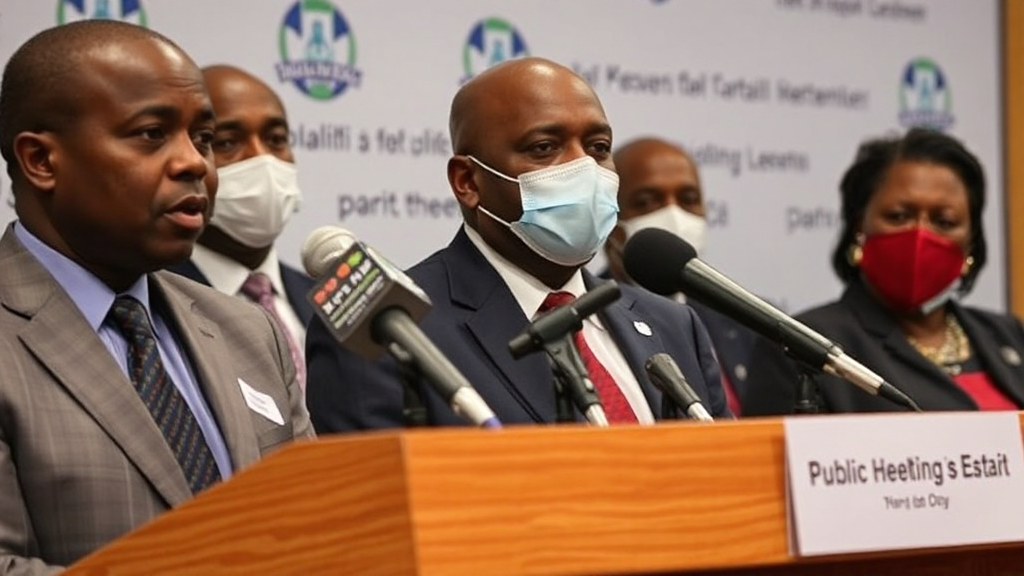
In a vote that health advocates are describing as a generational victory, Kenya’s National Assembly passed the Tobacco Products Control Amendment Bill 2026 on Thursday evening by 198 votes to 67, raising excise duty on cigarettes by 80 per cent and introducing sweeping restrictions on tobacco marketing that go further than any previous legislation on the continent. The bill now awaits presidential assent, which the administration has signalled will be forthcoming within 21 days.
Under the new schedule, the excise duty on a pack of 20 cigarettes will rise from the current Ksh 3.04 per stick to Ksh 5.47, effective 1 October 2026. Combined with existing VAT and import levies, the final retail price of the cheapest locally available brand is projected to rise from approximately Ksh 65 to Ksh 112 per pack — a 72 per cent increase that economists at the Kenya Institute for Public Policy Research and Analysis estimate will reduce consumption among low-income adult smokers by between 15 and 22 per cent within the first two years.
A Long Legislative Journey
The bill’s passage ends a five-year campaign by public health organisations, including the Kenya Tobacco Control Alliance and the African Tobacco Control Alliance, against sustained lobbying from British American Tobacco Kenya and Japan Tobacco International, which together hold approximately 90 per cent of the formal cigarette market. Industry representatives had argued before the Finance and National Planning Committee that the tax increase would drive consumers toward illicit cheap imports, undermining both public health goals and KRA revenue.
Those arguments found some traction in committee, where a compromise was reached linking the tax increase to a simultaneous crackdown on illicit trade. The final bill allocates Ksh 1.2 billion annually from tobacco excise revenues to the Kenya Revenue Authority for enhanced customs enforcement at border points, including Malaba, Namanga, and Isebania, where smuggled cigarettes from Uganda, Tanzania, and Ethiopia are known to enter. A digital tax-stamp programme, piloted in 2024, will be expanded to all tobacco products under secondary legislation to be gazetted within six months.
Health Cabinet Secretary Dr. Aden Duale welcomed the vote as a milestone in Kenya’s commitment to the WHO Framework Convention on Tobacco Control. “Four and a half million Kenyans smoke. Every year, tobacco-related illness costs our health system an estimated Ksh 18 billion in treatment — cancer, chronic obstructive pulmonary disease, cardiovascular complications,” he said. “The SHA cannot be financially sustainable if we are simultaneously treating diseases that are entirely preventable. This bill is a health decision and a fiscal decision.”
Beyond the Tax: Wider Provisions
The legislation goes significantly further than the tax hike alone. Plain packaging requirements, mandating that all tobacco products sold in Kenya display standardised packs with graphic health warnings covering 75 per cent of the surface area, will come into force on 1 January 2027, making Kenya only the fourth African country after Mauritius, South Africa, and Ethiopia to adopt such rules. Tobacco advertising in all media — including digital platforms, which had partially escaped previous advertising bans — is now explicitly prohibited, with penalties of up to Ksh 10 million for corporate violators.
Equally significant is a provision banning the sale of single cigarettes, a practice known locally as loose or chura sales that makes tobacco accessible to school-age consumers unable to afford full packs. Enforcement of this provision is likely to be challenging given that an estimated 40 per cent of cigarettes in Kenya are sold individually from kiosks and roadside dukas, but child health campaigners have long identified it as the primary gateway to adolescent smoking.
Industry and Consumer Response
BAT Kenya’s shares fell 6.3 per cent on the Nairobi Securities Exchange in the session following the vote, though analysts noted the company had been reducing its Kenya manufacturing footprint for several years in anticipation of tightening regulation. Consumer rights groups cautiously supported the bill while calling for parallel investment in cessation services — Kenya currently has fewer than 30 dedicated smoking cessation clinics nationwide — to help existing smokers quit rather than simply driving them to cheaper illicit alternatives. That balance, observers say, will ultimately determine whether the legislation saves lives or merely shifts the market.

0 comments