Eye Disease Burden in Kenya: Thousands Lose Sight to Preventable Conditions Yearly

Kenya has an estimated 800,000 blind people and 2.4 million with moderate-to-severe visual impairment, according to the Ministry Of Health's 2025 national eye survey — and the majority of these cases involve conditions that are either preventable, treatable, or both. Cataracts account for 43 per cent of blindness nationally. Glaucoma, almost always manageable if caught early, is responsible for a further 18 per cent. Trachoma, a bacterial infection eliminated decades ago in most developed countries, continues to cause blindness in Kenya's arid north. Behind each of these statistics lies a health system struggling to deliver the affordable, accessible eye care that could halt this silent epidemic.
Kenya has approximately 700 ophthalmologists — a ratio of one per 83,000 people that is already inadequate by global standards, but which again obscures a devastating geographic imbalance. Approximately 580 of those specialists practice in Nairobi, Mombasa, Kisumu, and Nakuru. The remaining 120 serve the rest of the country, including the 34 counties where the need is greatest. Optometrists and ophthalmic clinical officers extend coverage somewhat, but surgical procedures — cataract operations, glaucoma drainage, corneal transplants — can only be performed by qualified ophthalmologists, and those remain concentrated in urban private practice.
Cataracts: A Curable Crisis
The cataract situation is perhaps the most frustrating aspect of Kenya's eye disease burden, because the solution is well-understood, widely available in theory, and affordable at scale. A cataract extraction with intraocular lens implant takes between 15 and 30 minutes, can restore vision from near-total blindness to near-normal sight, and costs approximately Ksh 15,000 to 25,000 in the public system — a fraction of the Ksh 120,000 to 200,000 charged at private facilities.
The barrier is not surgical knowledge but surgical throughput. Kenya's public hospitals currently perform approximately 40,000 cataract operations annually against an estimated need of 120,000. The backlog — built over years of under-investment in ophthalmic theatre time, equipment, and consumables — means that patients who present with treatable cataracts may wait 18 months or longer for an operation, during which time their condition deteriorates and the surgery becomes more complicated. The SHA has included cataract extraction in its surgical benefits schedule, but accredited facilities with functional ophthalmic theatres number fewer than 60 nationwide.
Dr. Francisca Mutuku of the Kenya Society of Ophthalmologists described the situation with undisguised frustration. "We are talking about a 15-minute procedure that costs less than a family dinner in Nairobi, and people are going permanently blind for lack of it. That is not a medical problem. It is a political and organisational failure," she told ZaKenya. Her society has been advocating for high-volume cataract surgical camps — a model pioneered by Aravind Eye Care in India — that can process 200 or more procedures per day using streamlined protocols and task-sharing with trained ophthalmic nurses. Pilot camps in Machakos and Meru last year each cleared over 400 backlogged patients in a single week.
Trachoma and the Northern Frontier
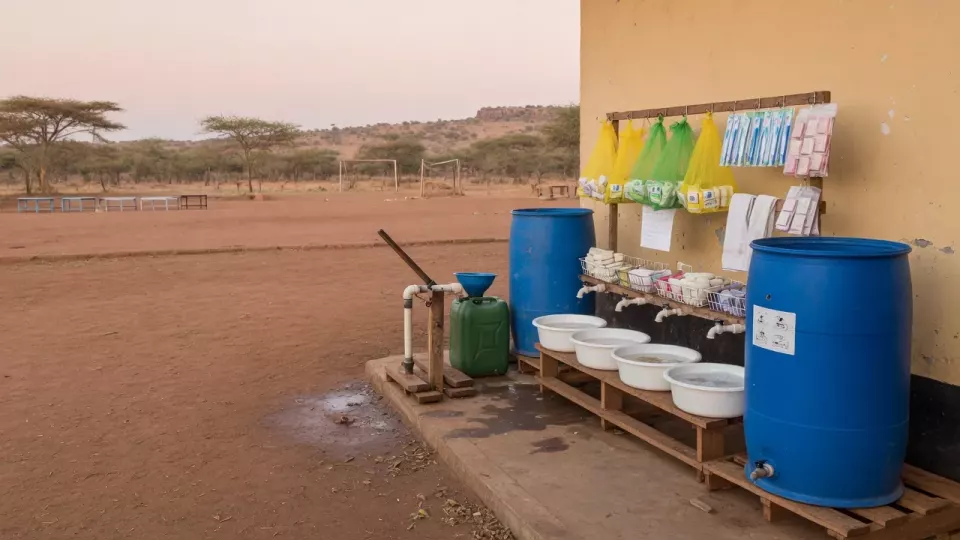
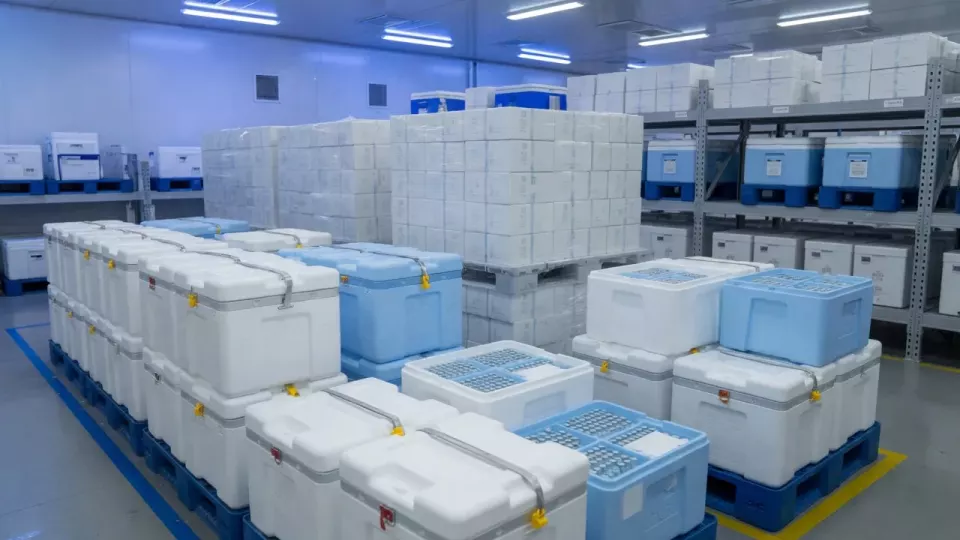
In Turkana, Samburu, West Pokot, and Marsabit counties, trachoma remains an active public health threat, with the Ministry of Health's 2025 survey recording trachomatous trichiasis — the late-stage scarring that directly causes blindness — in between 2.3 and 4.7 per cent of adults in the worst-affected communities. The SAFE strategy (Surgery, Antibiotics, Facial cleanliness, Environmental improvement) endorsed by the WHO is the established response, and Kenya has made genuine progress: the number of endemic trachoma districts has fallen from 23 in 2014 to 11 in 2026. But health workers in the field report that antibiotic distribution through azithromycin mass drug administration campaigns is inconsistent, with supply chain failures leaving communities unprotected in alternate years.
Vision for the Future
The government's fourth eye health strategic plan, launched earlier this year, sets a target of eliminating avoidable blindness by 2030, with specific commitments to increase annual cataract surgical output to 80,000 by 2027 and to train 200 additional ophthalmic clinical officers for rural deployment. International NGO Sightsavers has committed Ksh 2.3 billion over five years in partnership with the Ministry to support trachoma elimination and glaucoma screening programmes across 14 counties. Whether these commitments will be honoured in full under the current fiscal environment remains uncertain. But the technology, the trained personnel, and the clinical protocols to end preventable blindness in Kenya all exist. What has been missing, advocates say, is the political will to treat eye health as the emergency it plainly is.