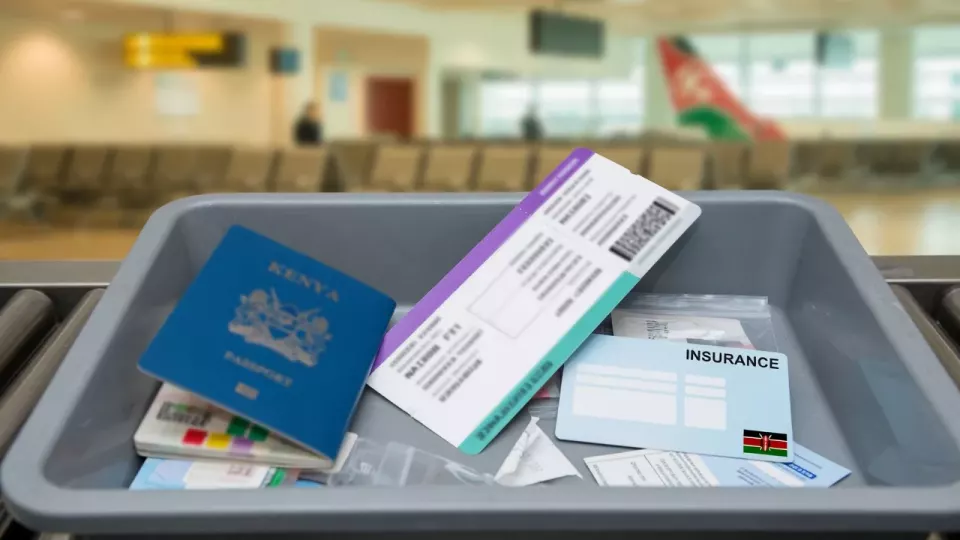
Ruto launches SHA 922 Lifeline and national ambulance dispatch centre
Key points
- President Ruto launched the SHA 922 Lifeline and National Ambulance Dispatch Centre as one national emergency medical number.
- Service: free emergency calls on all networks, coordinated ambulance response, and funding for evacuation plus the first 24 hours of treatment.
- Cover is described as applying whether or not the patient is registered with SHA, financed via the Emergency, Chronic and Critical Illness Fund.
- Context figures cited: 1,243 contracted ambulance providers; 32.2m SHA registrations; Sh178.5bn paid to facilities.
“We are turning a constitutional guarantee into a service that every Kenyan can reach,” President William Ruto said as he launched the Social Health Authority 922 Lifeline and National Ambulance Dispatch Centre in Nairobi, KBC reported from the Wednesday event that framed emergency medicine as an enforceable right rather than a favour.
The President said the service will provide free emergency calls across all networks, coordinate ambulance responses, and cover evacuation and the first 24 hours of treatment — whether a patient is registered with SHA or not. He linked the design to Article 43(2) of the Constitution, which states that a person shall not be denied emergency medical treatment. Present included Health CS Aden Duale and governors including Ahmed Abdullahi (Wajir), Johnson Sakaja (Nairobi), Abdullswamad Nassir (Mombasa), Issa Timamy (Lamu) and Erick Mutai (Kericho).
How 922 is meant to work — and the money behind it
Ruto said a trained emergency dispatcher will answer, establish location, assess the emergency, stay on the line with guidance and identify the nearest available ambulance. He directed every SHA-contracted health facility to ensure no person needing emergency treatment is denied, delayed, referred or transferred because they cannot pay, cover cannot immediately be confirmed, or a form is incomplete. Ambulance evacuation and the first 24 hours of emergency treatment will be paid through the Emergency, Chronic and Critical Illness Fund at approved tariffs.
“In an emergency, the first question must never be whether a patient can pay. The first duty is to save life,” he said, adding that 1,243 ambulance and emergency service providers have already been contracted by SHA — “a strong beginning, but it is not enough.” The dispatch centre, he stressed, does not seize ambulances from owners; it coordinates deployment and pays for eligible journeys. “Coordination is not centralisation; it is the difference between 47 separate systems and one Republic working together to save lives.”
Wider UHC numbers recited at the launch included 32.2 million Kenyans registered with SHA, eight million who have received treatment, and KSh178.5 billion paid to hospitals, health centres and dispensaries; 107,000 Community Health Promoters deployed; Primary Healthcare Fund payments of KSh23.3 billion to more than 300 facilities; more than 50,000 cancer patients and nearly 21,000 dialysis patients treated through the system; and KSh8 billion into the Emergency, Chronic and Critical Illness Fund. Governor Abdullahi said counties have collectively invested in 586 ambulances; Sakaja cited Nairobi’s emergency centre with 18 ambulances and plans for 20 more. SHA CEO Mercy Mwangangi said the call centre is intended to save lives in emergency situations nationwide. Health desk: Health. Verified package facts as reported by KBC; on-the-ground response times, claim payment speed and rural coverage will decide whether the launch becomes a lived service.
Based on KBC reporting of the presidential launch of SHA 922 and the National Ambulance Dispatch Centre. SHA tariffs, facility contracts and later performance data control operational detail.