KMD: 81% chance 2026 El Niño is very strong; wetter OND short rains likely
Key points
- KMD’s Hannah Kimani: 81% probability the 2026 El Niño is very strong.
- 97% chance the event persists into early 2027.
- Outlook: below-normal rains near-term in much of west, then above-average OND short rains for most areas.
- Indian Ocean Dipole can amplify or dampen Pacific El Niño impacts on Kenya.
Eighty-one per cent — that is Kenya Meteorological Department’s stated probability that the 2026 El Niño will be very strong, with a 97% chance it lingers into the first months of 2027, Head of Public Weather Services Hannah Kimani said in a preliminary outlook summarised by Eastleigh Voice.
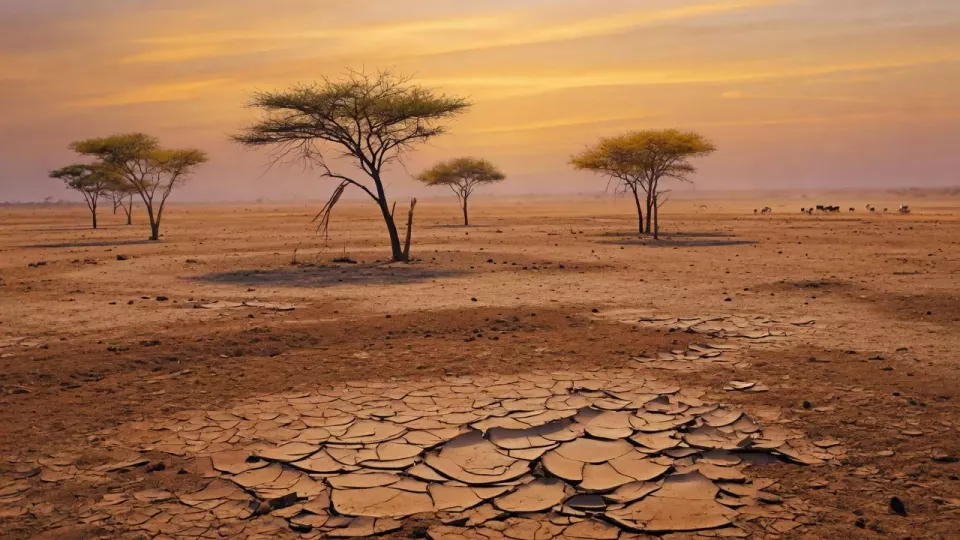
KMD expects a shift: below-normal rains for much of western Kenya in the August–September–October window, then wetter-than-average conditions for most of the country through the October–November–December short rains. Kimani stressed El Niño is a Pacific pattern, not rainfall itself, and that the Indian Ocean Dipole can either enhance or suppress East African outcomes.
Memory of water
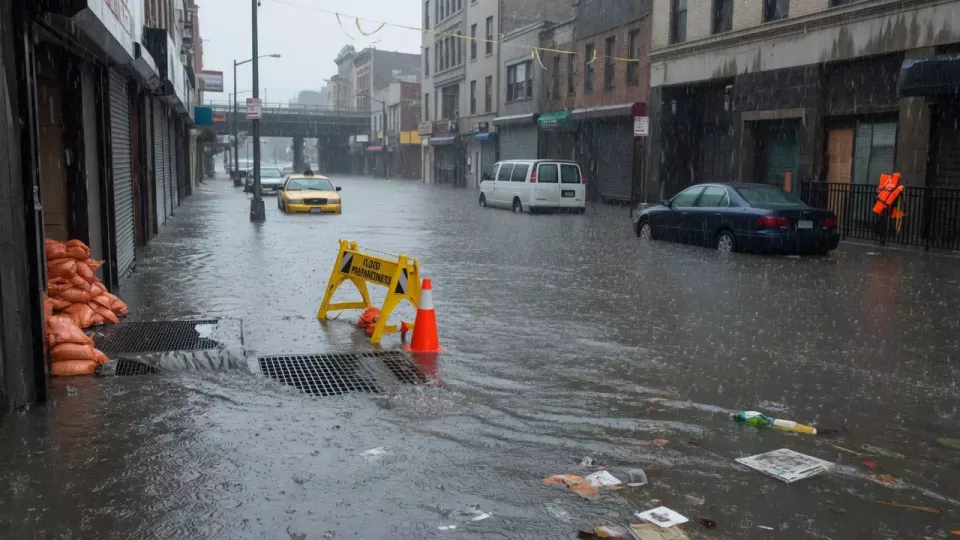
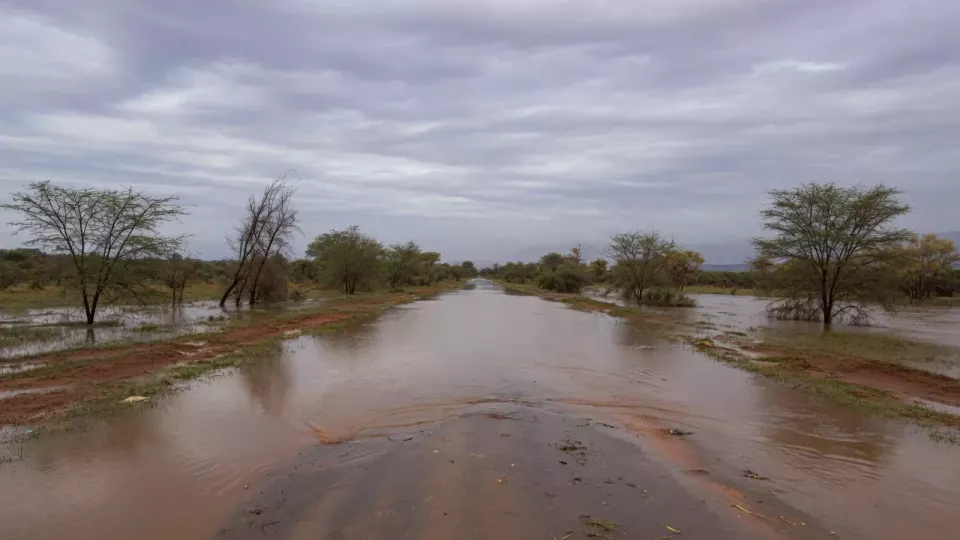
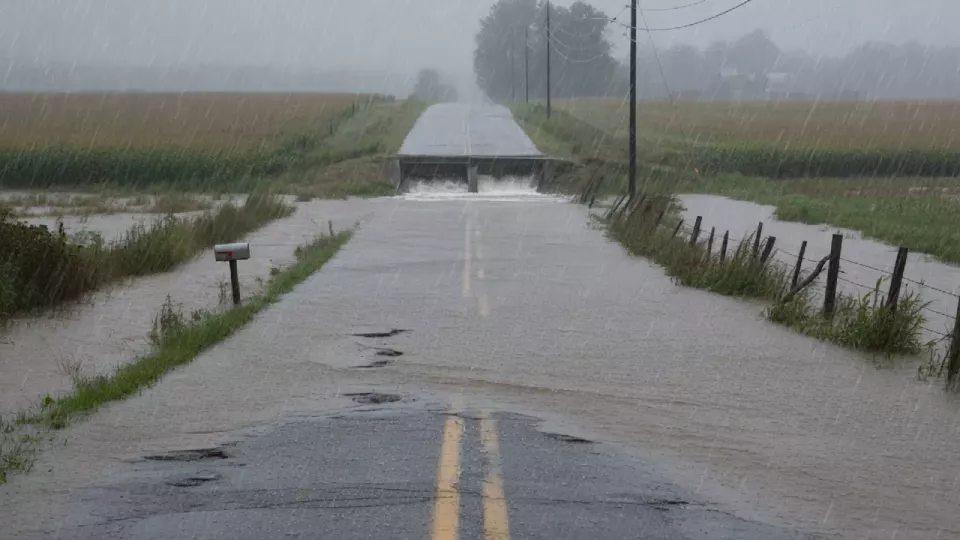
Kenya’s hard files include 1997–98, 2006–07, 2015–16 and 2023–24 flood seasons that killed, displaced and tore roads. Counties should not wait for the first viral video: clear drains, map camps, pre-position chlorine and review school and market flood lines now.
Farmers need dual plans — dry west in late winter, then excess moisture that can rot harvests and wash topsoil. Urban estates on riparian land remain the first drowners when drainage is politics.
Action owners
NDOC, county disaster units and KURA/KeNHA on culverts; Interior on evacuation messaging in local languages. Update when KMD issues the detailed seasonal forecast. Related environment desk tracks preparedness claims against sandbags, not speeches.
Counties should run joint drills with Kenya Red Cross before October, not after the first bridge fails. Farmers in western zones facing a drier ASO window need staggered planting advice now, while OND floodplains need marked evacuation routes. KMD should issue a county-level risk matrix within two weeks of this preliminary note so CECs stop guessing from national averages.
Independent monitors should sample outcomes for 60 days and publish a short scorecard so citizens can compare promise versus delivery without waiting for the next campaign season.
Based on Eastleigh Voice reporting of KMD’s preliminary El Niño outlook via Hannah Kimani. Forecasts update; follow official KMD bulletins for operations.