Uganda MPs and KPA push to cut non-tariff barriers on Northern Corridor
Key points
- Uganda’s National Assembly Committee on Tourism and Trade Affairs visited the Port of Mombasa and pledged to help eliminate non-tariff barriers with Kenya.
- Talks with KPA covered cargo clearance, delays, automation and digital tracking with Uganda Revenue Authority (URA).
- Named barriers include milk and poultry restrictions, long queues at Malaba and Busia, conflicting standards and permit delays.
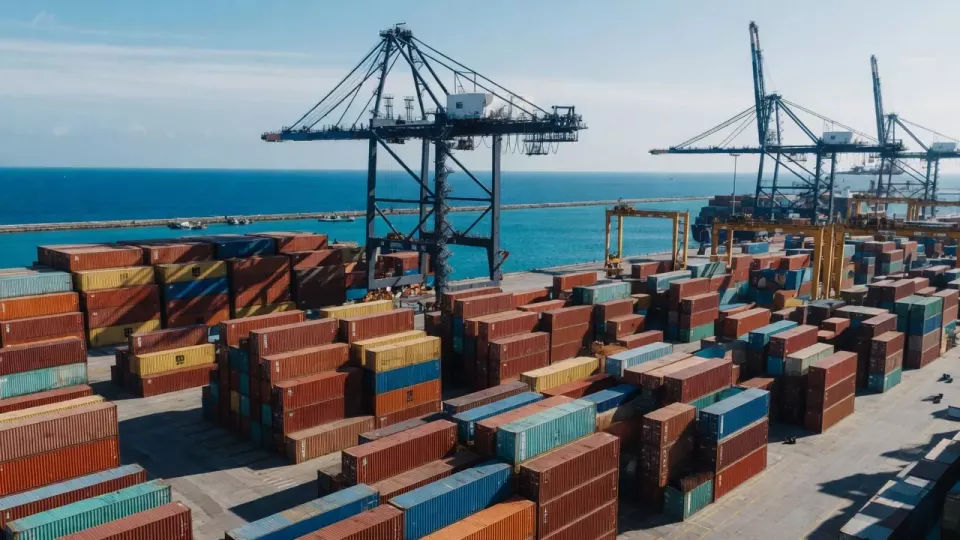
- Committee chair Boniface Okot said Uganda is Mombasa’s largest external client, with more than 65% of transit cargo; KPA cites 2.65m TEU capacity and IFS Cloud ERP upgrade plans.
When trucks stack at Malaba and poultry papers stall at the border, the cost lands on both sides of the Northern Corridor. Ugandan legislators touring the Port of Mombasa this week pledged to help strip non-tariff barriers that still choke Kenya–Uganda trade, KBC reported from Kenya Ports Authority briefings.
The Ugandan National Assembly Committee on Tourism and Trade Affairs visited East Africa’s busiest maritime gateway to understand operations and logistics problems facing Ugandan traders and transporters. Discussions with the Kenya Ports Authority (KPA) focused on extra costs and delays, cross-border cargo movement, and joint automation and digital tracking initiatives involving KPA and the Uganda Revenue Authority (URA). KPA Chief Executive Officer Capt. William Ruto said non-tariff barriers remain among the challenges for customers, exporters and importers along the corridor and called for stronger regional cooperation to cut clearance times and improve turnaround.
Milk, poultry, border queues — and a 65% transit client
Barriers cited include restrictions on some agricultural products such as milk and poultry, long truck queues at the Malaba and Busia border posts, conflicting standards and delays in issuing permits. Despite bilateral and East African Community commitments, inconsistent implementation continues to slow trade. Ruto described Mombasa as a gateway connecting more than 80 global ports to a landlocked hinterland including Uganda, Rwanda, Burundi, the DRC and South Sudan, with handling capacity of 2.65 million TEUs and service from over 40 major shipping lines. He said KPA is early in replacing its legacy SAP ERP with IFS Cloud, aiming for digital workflows, electronic documents, integrated billing and real-time reporting to improve cargo visibility with partners such as URA.
Committee chair Boniface Okot praised progress on agency system integration and said Uganda is the largest and most strategic external client of the Port of Mombasa, accounting for more than 65 per cent of transit cargo handled there. He pledged Ugandan commitment to remove bottlenecks in the spirit of EAC integration. Separately, Ruto discussed blue-economy training with Institute of Chartered Shipbrokers International chairman Krishnan Subramaniam and ICS regional chair Elijah Mbaru. Energy-transport desk: Energy & Transport. Verified visitor group, barrier list, TEU figure, transit share and ERP plan from KBC; no new bilateral treaty text was signed in the same report.
Corridor users will measure success in shorter border dwell times and fewer rejected agricultural consignments — metrics that outlast a single parliamentary tour of Kilindini.
Based on KBC/KNA reporting of the Ugandan committee visit and KPA briefings. Bilateral instruments and border agency SOPs control actual barrier removal.