Rerec races September deadline on Sh20bn World Bank off-grid solar push
Key points
- World Bank-backed KOSAP is a $150 million (about Sh20 billion) programme to extend solar power and clean water in 14 underserved counties.
- Rerec must commission 31 solar mini-grids in four counties and 316 solar water pumps before a September 30 closing window.
- CEO Rose Mkalama told the Senate Energy Committee the timeline is still on track despite “implementation delays of varying degrees.”
- Auditor-General context: even full budget use may absorb only about 53% of the credit, leaving nearly Sh9.5bn undrawn by close.
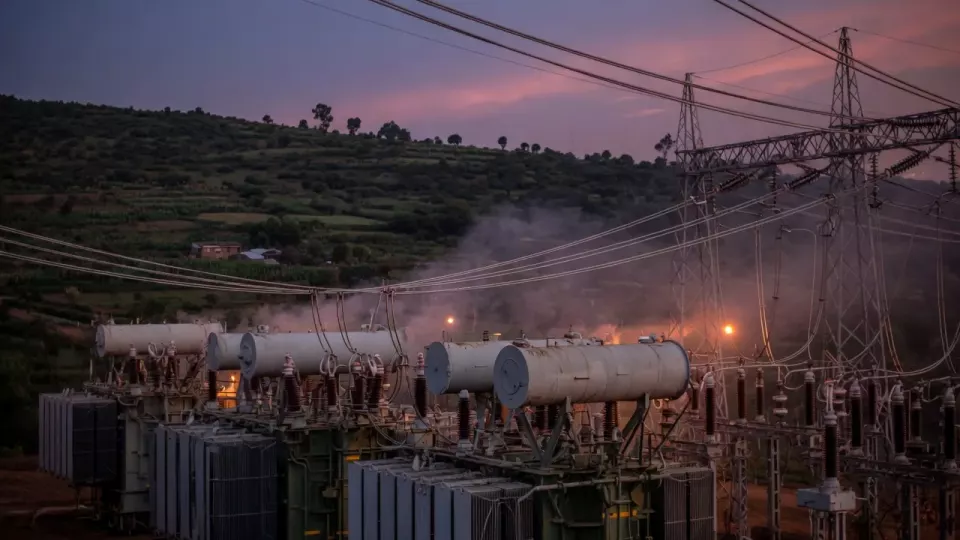
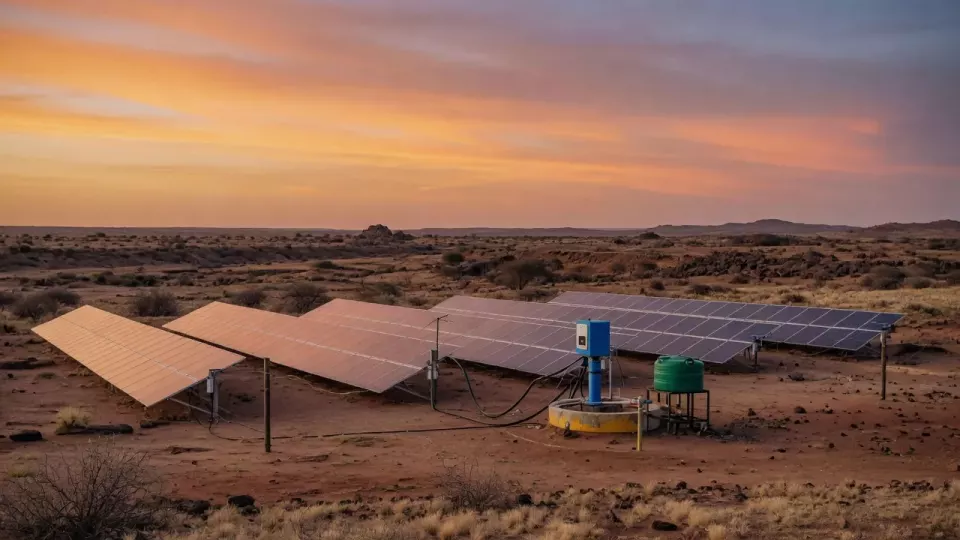
Thirty-one solar mini-grids. Three hundred and sixteen solar-powered water pumps. One hard stop: 30 September. That is the countdown the Rural Electrification and Renewable Energy Corporation (Rerec) faces on the Kenya Off-Grid Solar Access Project (KOSAP), a $150 million (Sh20 billion) World Bank-funded push to wire remote settlements and solarise boreholes across 14 frontier counties, The Standard reported.
Appearing before the Senate Energy Committee, Rerec chief executive Rose Mkalama said she had personally inspected 31 active construction sites and insisted the multi-component programme can still meet its end-of-September commissioning target even while acknowledging delays. Rerec’s World Bank-financed slice is about $31 million (Sh4 billion) of the wider package. The immediate energy scope covers mini-grids in Turkana (12), Marsabit (10), Samburu (4) and Isiolo (5), with Turkana leading active sites. Water works target all 14 counties — Garissa, Isiolo, Kilifi, Kwale, Lamu, Mandera, Marsabit, Narok, Samburu, Taita Taveta, Tana River, Turkana, Wajir and West Pokot — with Isiolo and Tana River together accounting for 57 solarised boreholes under construction among other county tallies.
Bottlenecks: procurement, imports, terrain and local disputes
Officials say the wider build will eventually deliver 120 newly built solar mini-grids and connect about 5,390 households to green water networks, with individual grids sized for roughly 75 to 1,835 users. Yet the Auditor-General has indicated that even full use of the current budget may absorb only about 53 per cent of the World Bank credit by the September 2026 closing date — leaving nearly Sh9.5 billion undrawn. Rerec listed lengthy World Bank procurement reviews, delayed change-of-manufacturer approvals, long lead times for transformers, switchgear and hybrid systems largely made in China, and brutal logistics into Marsabit and Turkana. Named hard sites include Gatab (North Horr) and Namukuse (Turkana Central); Kargi, Gas, Lochwaa and Oropoi required structured dialogue after community–contractor disputes.
Mitigation steps reported include two-tier contract teams per county, more site inspections, extra contractor crews where lagging, and regular multi-stakeholder progress meetings. Each site also carries a Sh1 million corporate social responsibility pot for community-chosen projects. Completed assets are expected to transfer to Kenya Power and county governments for operations. Energy desk: Energy & Transport. Verified numbers and bottlenecks above from The Standard package; whether every mini-grid and pump actually commissions by 30 September remains a field fact, not a committee assurance.
Based on The Standard reporting of Rerec’s Senate Energy Committee update on KOSAP. World Bank and Rerec completion certificates control final commissioning status.