Police Crush Saba Saba Marches, 10 Arrested in Nairobi
Crime

Police Crush Saba Saba Marches, 10 Arrested in Nairobi

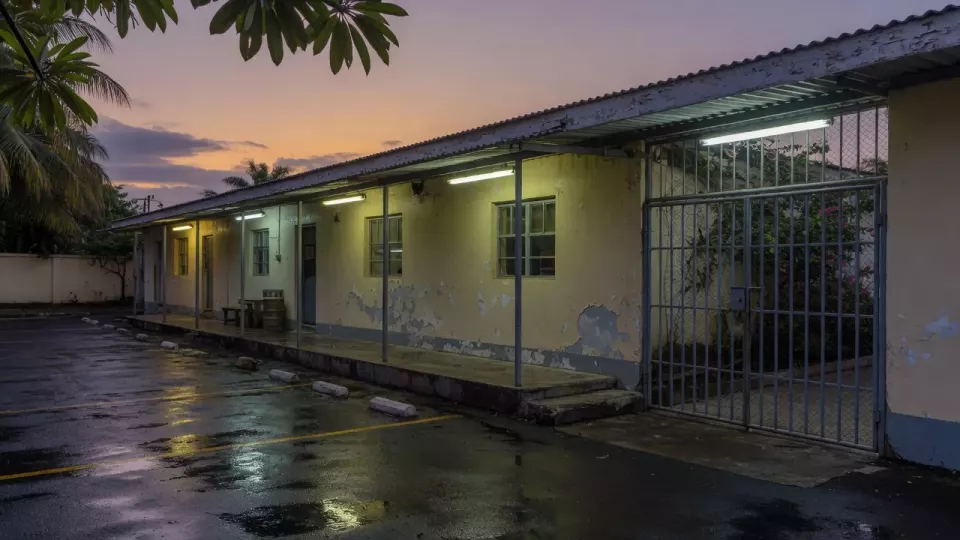
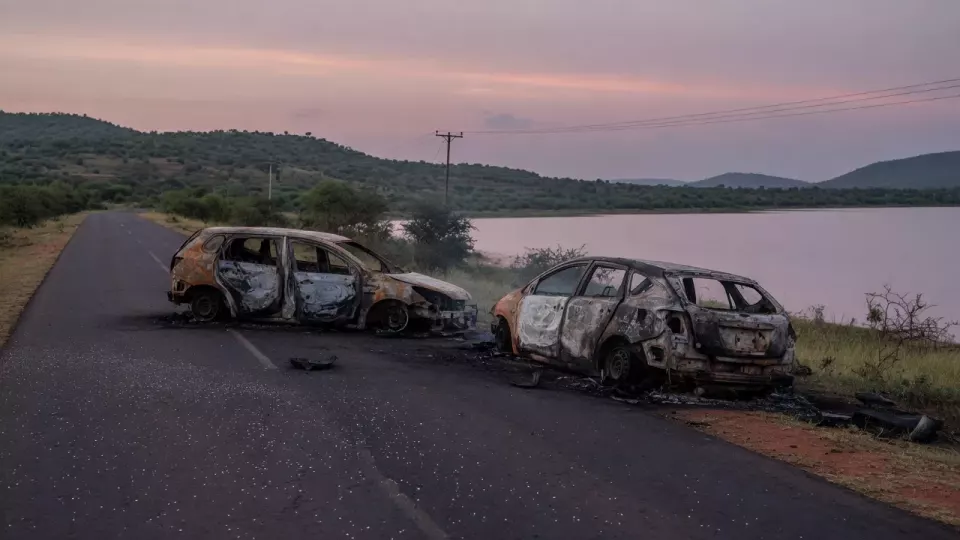
Police brought planned Saba Saba Day marches to a halt on July 7, 2026, deploying checkpoints, plainclothes officers, and unmarked vehicles across Nairobi to prevent demonstrators from assembling and proceeding along a planned route from Jeevanjee Gardens to Parliament Buildings. Ten people were arrested in Nairobi on charges of obstruction.

The Meaning of Saba Saba

July 7 holds deep resonance in Kenya’s democratic history. On that date in 1990, opposition politicians staged a rally at Nairobi’s Kamukunji Grounds demanding the reintroduction of multiparty politics. Security forces violently broke up the gathering, but the date became a touchstone for Kenya’s democracy movement and ultimately helped force the restoration of multiparty competition in 1991.

A City Sealed Shut

Nairobi Regional Police Commander Issa Mohamud declared the planned procession illegal, citing a failure by organisers to submit formal notification. Officers in uniform and plainclothes were stationed throughout the downtown area from the early morning. Ten individuals were arrested and taken to Nairobi area police stations on obstruction charges.

Shrinking Space for Dissent

The Saba Saba crackdown arrived just twelve days after the mass arrests of June 25. Human rights organisations including Article 19 Africa and the Kenya Human Rights Commission issued statements condemning the July 7 response as further evidence of a government determined to choke off civic space.

Read More
355 Arrested as Police Lock Down Nairobi on June 25 Anniversary
Crime

355 Arrested as Police Lock Down Nairobi on June 25 Anniversary

Kenyan police arrested 355 people across multiple counties on June 25, 2026, as demonstrators attempted to mark the one-year anniversary of the deadly anti-tax protests that rocked the country in 2025. Officers sealed off Nairobi’s central business district with metal barricades and deployed in force across the capital, halting public transport and effectively shutting down the city centre for much of the day.

The Weight of a Year

June 25, 2025 marked one of the most dramatic days in Kenya’s post-independence political history. Driven by outrage over the Finance Bill 2024, thousands of young Kenyans stormed Parliament Buildings in Nairobi. Security forces opened fire, killing multiple protesters, and the government ultimately withdrew the contested legislation as President William Ruto fired most of his Cabinet.

A City Under Siege

Police erected barricades across key entry points to the central business district from the early morning hours. Running battles between officers deploying tear gas and water cannons and groups of protesters were reported in Nairobi’s Westlands, Githurai, and South B areas, as well as in Kiambu, Kajiado, Bungoma, and Nyeri counties.

Democracy Under Strain

The crackdown on the June 25 anniversary has intensified scrutiny of Kenya’s democratic trajectory under the Ruto administration. International observers and civil society groups have warned that the combination of mass arrests, restrictions on assembly, and the targeting of protest organisers represents a pattern of democratic backsliding.

Read More
Kenyans Kidnapped, Tortured and Dumped After June 25 Protests
Crime

Kenyans Kidnapped, Tortured and Dumped After June 25 Protests

At least 82 people were reported kidnapped following Kenya’s June 25, 2026 commemoration protests, in what human rights organisations have condemned as a resurgent and systematic campaign of enforced disappearances targeting activists, bystanders, and protest organisers. As of early July, 29 of those abducted remained unaccounted for.

Abducted on Live Television

Among the most disturbing episodes was the abduction of six individuals outside Parliament Buildings in Nairobi — captured on video and broadcast live. Amnesty International Kenya identified the victims as Collins Ochieng, Muteti Mulinge, Michael Ngigi, Elisha Alam, Fredrick Ojiro, and Christine Walubengo. Days later, several resurfaced — beaten, showing signs of torture, and having been dumped at roadsides and near Kenyatta National Hospital.

A Pattern That Predates June 25

The Missing Voices Alliance recorded a total of 86 enforced disappearances since the Ruto administration took office. A recurring feature across documented cases is the use of unmarked vehicles — typically dark-coloured saloon cars and double-cabin pickup trucks — and officers in civilian clothes.

International Pressure Mounts

The U.S. State Department called for transparent investigations. The United Nations Office of the High Commissioner for Human Rights urged Kenyan authorities to immediately account for those still missing and ensure that those responsible for any unlawful detention or mistreatment are prosecuted.

Read More
Kenya's New Witness Protection Programme Shields 300 Corruption Case Witnesses
Crime

Kenya’s New Witness Protection Programme Shields 300 Corruption Case Witnesses

The Kenya Witness Protection Agency has announced that it is currently providing active protection to 300 witnesses in corruption, organised crime and terrorism cases under a significantly expanded programme backed by Sh1.8 billion in new government funding — the largest single investment in witness protection since the agency’s establishment under the Witness Protection Act of 2006. The announcement, made by WPA Director John Githinji at a press briefing in Nairobi on Wednesday, marks what officials describe as a turning point in Kenya’s ability to successfully prosecute complex cases against entrenched criminal and corrupt interests.

The 300 protected witnesses are enrolled across 67 active cases, including 23 corruption cases being prosecuted by the Ethics and Anti-Corruption Commission, fourteen organised crime cases before various courts, eight cases arising from the 2024 anti-Finance Bill protest killings, and a number of terrorism-related prosecutions linked to the Al-Shabaab threat in the coastal and northeastern regions.

What the Programme Provides

Under the expanded programme, protected witnesses receive a tiered package of support calibrated to the assessed threat level of their individual situation. At the highest tier, witnesses and their immediate families are relocated to secure accommodation outside their home counties — and in some cases outside Kenya — provided with monthly stipends ranging from Sh25,000 to Sh80,000, given new documentation, and supported through a reintegration pathway including vocational training and small enterprise startup grants.

Lower-tier protection, for witnesses facing moderate risk, includes 24-hour police liaison, regular security assessments, court-day escort arrangements, and legal assistance. The WPA now employs 140 protection officers nationally, up from 62 in 2024, following a recruitment drive funded by the new allocation.

“The history of failed prosecutions in this country is, in significant measure, a history of witnesses who were threatened, bribed or killed before they could testify,” Director Githinji told journalists. “We have had some of the most important corruption cases collapse at the eleventh hour because a witness recanted under pressure. This programme is designed to make that outcome as difficult as possible for those who want to pervert justice.”

Cases Already Impacted

The DPP’s office cited three ongoing high-profile cases where witness protection had been critical to keeping proceedings on track. The trial of former government procurement officials charged with defrauding the National Youth Service of Sh9 billion — a case that first came to public attention in 2018 and has been repeatedly derailed — has seen three key witnesses enrolled in the programme, and the prosecution describes their testimony as the backbone of its case going forward.

In the corruption case arising from inflated tenders under the Kenya Medical Supplies Authority during the COVID-19 pandemic, four mid-level procurement officers who turned state witnesses were relocated with their families after receiving credible threats in 2025. Prosecutors say those witnesses are now expected to testify in September 2026, a development that had been in doubt as recently as eight months ago.

Anti-corruption watchdog Transparency International Kenya said the WPA expansion was one of the most concrete steps the Ruto administration had taken to demonstrate commitment to accountability. “If this programme delivers — and the proof will be in convictions, not announcements — it represents a genuine structural improvement in Kenya’s anti-corruption architecture,” said Executive Director Sheila Masinde. She cautioned, however, that protection of witnesses must be matched by judicial efficiency: “A witness can be kept safe for years only for a case to collapse on procedural grounds or a judge transfer. Safety and speed must go together.”

Funding and International Support

The Sh1.8 billion envelope draws on both the national budget and contributions from development partners including the United States through the USAID Strengthening Prosecution and Judicial Accountability programme, the European Union’s Kenya Justice Programme, and the United Kingdom’s Foreign Commonwealth and Development Office. UK High Commissioner Neil Wigan said at the announcement that Kenya’s investment in witness protection was “a signal to both corrupt actors and to ordinary Kenyans that this government is serious about consequences.”

The WPA is also in advanced discussions with Uganda, Tanzania and Rwanda through the East African Community Justice framework to develop a regional witness relocation protocol — potentially the first of its kind in sub-Saharan Africa — that would allow witnesses facing threats that cannot be safely managed within Kenya to be temporarily hosted in partner states, and vice versa. Director Githinji said a memorandum of understanding was expected to be finalised before the end of 2026.

With the 2027 elections approaching and multiple major corruption trials expected to reach verdict stage in the next eighteen months, the effectiveness of the expanded WPA will be tested precisely when the political stakes are highest. Civil society observers say this is exactly as it should be: accountability, they argue, is not meaningful if it only functions when there is nothing to lose.

Read More
Equity Bank Fraud Case: Insider Stole Sh1.2 Billion Over Two Years
Crime

Equity Bank Fraud Case: Insider Stole Sh1.2 Billion Over Two Years

A former systems administrator at Equity Bank Kenya Limited has been charged with stealing Sh1.2 billion from customer accounts over a period of approximately 26 months using his privileged access to the bank’s core banking software — a case that investigators describe as the largest insider fraud ever prosecuted in Kenya’s banking sector and one that has prompted urgent questions about internal audit controls across the country’s financial institutions.

The accused, identified as Kevin Mutisya Musau, 38, of Syokimau, Machakos County, who served as a Senior Database Administrator at Equity’s Upperhill technology hub until his dismissal in March 2026, appeared before the Milimani Anti-Corruption and Economic Crimes Court on Monday. He denied twenty-seven counts of fraudulent access to computer systems, theft, and money laundering under the Computer Misuse and Cybercrimes Act, the Banking Act, and the Proceeds of Crime and Anti-Money Laundering Act.

How the Fraud Was Executed

According to investigators from the Assets Recovery Agency and the DCI Economic Crimes Unit, Musau exploited his database-level access to Equity’s T24 core banking system — a platform also used by several other East African financial institutions — to identify dormant accounts with significant balances and execute small, irregular debits ranging from Sh2,000 to Sh45,000 per transaction. By keeping individual transactions below automatic fraud-detection thresholds and spreading them across thousands of accounts, he is alleged to have evaded both the bank’s automated monitoring system and its internal audit function for over two years.

The funds were transferred through a web of sixteen shell companies registered in Kenya, Uganda and the United Kingdom, and subsequently moved into real estate assets and fixed deposit accounts in the names of family members. ARA investigators identified and froze assets — including four residential properties in Nairobi’s Syokimau and Athi River suburbs, two commercial plots in Nakuru, seventeen vehicles, and cash balances totalling Sh280 million — before arresting Musau on 14 March 2026.

“The perpetrator’s understanding of the bank’s internal monitoring logic was sophisticated,” said ARA Chief Executive Muthoni Ngugi. “He was not a rogue actor stumbling into an opportunity. This was a meticulously planned, long-running scheme by someone with intimate knowledge of where the system’s eyes were not looking.”

How He Was Caught

The fraud was uncovered not by Equity’s internal audit function but by a complaint from a retired teacher in Embu who noticed a small, unexplained debit on a savings account she had largely stopped using. Her branch manager escalated the query to the bank’s fraud investigations team, which, upon deeper analysis, identified a pattern of similar micro-transactions across 9,341 customer accounts. The bank alerted the CBK and the DCI in October 2025, and a five-month investigation followed before the arrest.

Equity Bank in a statement said it had immediately reimbursed all affected customers upon identifying the compromised accounts, and that it had commissioned an external forensic audit of its IT security controls. “The bank takes full responsibility for the security of customer funds and has acted swiftly to address the vulnerabilities that were exploited,” said Group CEO James Mwangi. He declined to detail the specific control failures that allowed the scheme to persist for 26 months but said the bank had already implemented additional layers of privileged-access monitoring.

Regulatory Fallout

The Central Bank of Kenya confirmed it had opened a supervisory inquiry into Equity’s internal controls and that the findings would inform an industry-wide directive on privileged-access management in banking IT systems, expected to be issued by October 2026. CBK Governor Kamau Thugge said that while Equity had acted responsibly upon discovery, the case raised “systemic questions about the adequacy of real-time privileged-access monitoring across Kenya’s banking sector.”

The Kenya Bankers Association said it was convening an emergency working group to review internal control frameworks, noting that the T24 platform is widely used across the region and that similar vulnerabilities could theoretically exist in other institutions. Kenya’s 2026 national cybersecurity strategy, published in April, had identified insider threat as one of the three highest-priority risks to the financial sector — a classification that this case appears to have dramatically vindicated.

Musau’s case is scheduled for a pre-trial conference on 28 July. The prosecution has indicated it will be seeking full recovery of the Sh1.2 billion through confiscation orders under the Proceeds of Crime Act. If convicted, he faces a maximum sentence of twenty-five years in prison. Four former colleagues are under investigation for suspected complicity, though no charges have yet been filed against them.

Read More
Court Awards Sh50 Million to Families of 2024 Protest Victims Shot by Police
Crime

Court Awards Sh50 Million to Families of 2024 Protest Victims Shot by Police

In a landmark ruling that marks a significant moment of accountability for the state’s response to Kenya’s seismic 2024 anti-Finance Bill protests, the High Court on Thursday ordered the government to pay Sh50 million in compensation to the families of nine individuals killed by police gunfire during the demonstrations that swept the country between June and July 2024. The ruling by Justice John Mativo in the Constitutional and Human Rights Division is the most substantial judicial finding yet against the state for its conduct during a period that fundamentally reshaped Kenyan politics.

The ruling found that six of the nine deaths were the result of direct, unprovoked gunfire by officers of the General Service Unit and the Regular Police Service, constituting a violation of the constitutional right to life under Article 26 and the right to assembly under Article 37. Three further deaths were attributed to injuries consistent with rubber bullets and teargas grenades fired at close range in circumstances the court found were disproportionate and unjustified.

The Case and the Court’s Findings

The consolidated petition was filed in September 2024 by the families of nine of the sixty-plus individuals documented as killed during the protests, represented by a consortium of human rights lawyers including the Law Society of Kenya, the Kenya Human Rights Commission, and Amnesty International Kenya. The government, represented by the Attorney-General’s office, argued throughout that officers had acted in accordance with use-of-force regulations and that several of the deaths were unrelated to police action.

Justice Mativo dismissed those arguments comprehensively. Drawing on CCTV footage, post-mortem reports from government pathologists, ballistic analysis commissioned by the court, and testimony from fifty-three witnesses, the judge concluded that “the evidence does not support a narrative of proportionate crowd control. It supports a narrative of lethal force deployed against unarmed civilians exercising constitutionally protected rights.”

The court ordered payment of Sh4 million to Sh7 million per family, depending on the circumstances of each death, age of the victim, and number of dependants. The families of Brian Chira, 23, a student from Kiambu whose death was captured on widely shared video, and of Careen Chepchumba, 19, shot in Githurai 45, were awarded the highest individual sums. Total compensation ordered is Sh50.4 million, payable within 90 days.

Political Reverberations

The ruling arrives at a sensitive moment for President Ruto’s administration, now in its third year, with the 2027 general elections approaching and the political legacy of the Gen Z uprising still raw. The protests forced the withdrawal of the Finance Bill 2024, triggered a Cabinet reshuffle, and catalysed a generation of young Kenyans into sustained political engagement. Several of the 2024 protest leaders have since launched civic organisations and are openly positioning themselves ahead of 2027 contests.

Law Society of Kenya President Faith Odhiambo called the ruling a milestone but emphasised it was only a beginning. “Sh50 million for nine lives is not justice — it is a starting point,” she said. “There are over fifty additional families pursuing separate cases. There are police officers whose names are known, against whom no criminal charges have been filed. Accountability must go beyond compensation.”

The Independent Policing Oversight Authority confirmed it has completed investigations into 23 of the 61 documented protest deaths and has forwarded files to the DPP recommending prosecution in eleven cases. The DPP has yet to act on those recommendations. Director Ingonga said his office was reviewing the files but declined to give a timeline, citing the complexity of building cases against named officers when some witnesses have reported intimidation.

Government’s Response

Attorney-General Dorcas Oduor said the state respected the court’s ruling and would engage the Treasury to identify the payment mechanism but indicated the government was considering whether to lodge a limited appeal on quantum. The statement was met with fury by family representatives. “They fought us every step of this case, and now they want to appeal the compensation amounts for children they shot dead,” said advocate Omwanza Ombati, who represented four of the families.

Parliament’s Justice and Legal Affairs Committee announced it would summon the Inspector General and the DPP within 30 days to account for progress on criminal accountability. The Gen Z civic networks have called for a national day of reflection on 25 June — the anniversary of the storming of Parliament — to mark what they describe as “a justice process that is still far from complete.”

Read More
Land Grabbing Case: Nairobi Developers Charged After Demolishing Homes of 200 Families
Crime

Land Grabbing Case: Nairobi Developers Charged After Demolishing Homes of 200 Families

Three prominent Nairobi real estate developers have been charged with criminal land grabbing, forgery, and incitement following the forcible demolition of homes belonging to approximately 200 families in the Ruai area of Nairobi East sub-county, an act that left an estimated 1,100 men, women and children homeless overnight during a rainstorm last month. The case has become a flashpoint in the ongoing national debate over land tenure insecurity and the vulnerability of low-income urban communities to fraudulent title deed schemes.

The accused — businessman Harrison Ngugi, 52, his business partner Simon Waweru, 47, and company director Grace Muthoni, 39, all associated with the registered firm Horizon Realty East Africa Ltd — appeared before Milimani Chief Magistrate Bernard Ochoi on Tuesday, where they denied all charges. The prosecution, led by Senior Assistant Director of Public Prosecutions Anne Mugambi, alleges that the trio presented forged title deeds claiming ownership of a 15.3-acre parcel that had been occupied and developed by low-income families for over two decades.

How the Scheme Allegedly Unfolded

According to the charge sheet, Horizon Realty registered a title for the Ruai land in March 2026 using a deed that the Lands Registry has since flagged as bearing characteristics of forgery, including an irregular survey number and a stamp predating the purported registration date. Within weeks of obtaining the title, the company hired private security contractors who, accompanied by individuals the prosecution alleges were illegally impersonating county enforcement officers, arrived at the settlement on the evening of 4 June with earthmoving equipment and demolished structures housing 210 households over approximately six hours.

Survivors described scenes of chaos. “They came at night during heavy rain. We were given thirty minutes to take whatever we could carry,” said Mary Wanjiku, 34, whose family of six had lived on the land since 2008. “My children’s school uniforms, our documents, everything that we could not carry was buried under the rubble.” Photographs shared by residents and independently verified by ZaKenya.com show multiple completed stone houses, small businesses, and a children’s community library reduced to concrete debris.

The National Lands Commission confirmed it had not authorised any compulsory acquisition of the Ruai land and had launched an independent inquiry into how the title was registered. NLC Chairperson Samuel Tororei described what appeared to have happened as “a systemic failure involving multiple points of vulnerability in our land registration process” and said heads would roll if public officers were found to have facilitated the fraud.

Political and Policy Dimensions

The case has acquired significant political dimensions. Several families have produced receipts from a defunct county land allocation programme dating to the 2000s, and community legal representatives say the land’s occupation history should have been discoverable through proper due diligence. Land rights organisations argue that Kenya’s digitisation of land records — accelerated under the Ruto administration as part of the BBI-era reforms — has paradoxically created new opportunities for fraud by enabling doctored entries to be inserted more easily than in the analogue era.

“Digitisation was supposed to end grabbing,” said Odenda Lumumba of the Kenya Land Alliance. “But without integrity audits and community verification processes, you have simply moved corruption onto a screen. The problem is governance, not technology.”

Interior CS Kipchumba Murkomen said the government would ensure that the evicted families received temporary shelter through county-managed sites while the legal process unfolded, and that the demolished site would be subject to a court-ordered preservation order preventing any further development until the case is resolved. Nairobi Governor Johnson Sakaja confirmed on Wednesday that the county had allocated emergency humanitarian relief for the displaced families, including food packages and portable sanitation.

Community and Legal Pushback

The affected families, represented pro bono by the Legal Resources Foundation, have filed a constitutional petition before the High Court’s Environment and Land Court division, citing violations of the right to housing under Article 43 of the Constitution. A conservatory order obtained on an emergency basis on 10 June has halted any further activity on the land. The petition also names the Nairobi City County and the National Lands Commission as respondents, alleging systemic negligence.

The criminal case against Ngugi, Waweru and Muthoni continues on 30 July. The prosecution has indicated it will present evidence linking the forged deed to a specific government registry clerk whose dealings are now the subject of a parallel DCI investigation. If convicted on all charges, the developers face up to ten years’ imprisonment and unlimited fines under the Land Registration Act and the Penal Code.

Read More
Kenya's Prisons Overcrowding Crisis Deepens as Population Hits 60,000
Crime

Kenya’s Prisons Overcrowding Crisis Deepens as Population Hits 60,000

Kenya’s prison system is in the grip of a deepening humanitarian crisis after official figures released by the Kenya Prisons Service confirmed that the national inmate population reached 60,247 as of 1 July 2026 — nearly three times the system’s designed capacity of 22,000. Prison commissioners, human rights organisations and members of the Departmental Committee on Administration and Internal Security are now warning that without urgent structural intervention, the situation will deteriorate into a public health and security emergency.

The figures represent an increase of approximately 4,200 inmates since January 2026, driven primarily by a surge in pre-trial detention — an estimated 34 per cent of the current prison population has not been convicted of any offence but is awaiting trial in an overburdened court system. The average time a remand prisoner spends in custody before trial in Kenya currently stands at 22 months, according to the Prisons Service’s own data.

Conditions Inside

A monitoring report released jointly by the Kenya National Commission on Human Rights and the Independent Medico-Legal Unit in June painted a stark picture of conditions across the country’s 119 prisons and remand homes. Kamiti Maximum Security Prison, designed for 2,500 inmates, is holding over 6,000. Nairobi Remand and Allocation Prison — colloquially known as Industrial Area — has nearly 4,000 inmates against a capacity of 800. Kodiaga Prison in Kisumu holds over 3,500 against a stated capacity of 1,200.

The report found that in the most overcrowded facilities, individual sleeping space averages 0.3 square metres per prisoner — a fifth of the minimum standard set by the UN Standard Minimum Rules for the Treatment of Prisoners. Tuberculosis infection rates within prisons are estimated to be 30 times higher than in the general population. Medical staff coverage is critically inadequate: the Prisons Service employs 87 doctors for 60,000 inmates, a ratio of one doctor to every 692 prisoners.

“People are sleeping in shifts because there is not enough floor space to lie down,” said Dr Isaac Ochieng of the Independent Medico-Legal Unit. “We documented open wounds left untreated for weeks, TB patients sharing sleeping mats with other inmates, and mental health cases receiving zero specialised care. This is not a correctional system — it is a containment exercise that makes people worse.”

Systemic Causes

The Attorney-General’s office and the Judiciary have identified several systemic drivers of overcrowding. Mandatory minimum sentences introduced under anti-terrorism, drug trafficking and sexual offences legislation have removed judicial discretion to impose non-custodial alternatives. The cash bail system disproportionately penalises poor defendants who cannot afford bail: over 20,000 remand prisoners are detained on bailable offences they simply cannot afford to be released from.

The DPP’s office has been under pressure to accelerate nolle prosequi decisions — formal decisions not to proceed — in cases where evidence is insufficient, but the office cites resource constraints. “We have 450 prosecutors nationally for a caseload that would require 1,200 to clear efficiently,” said Senior Prosecution Counsel David Kimani. “Cases pile up, and the human cost of that backlog is measured in years of people’s lives spent in remand.”

The SHA rollout replacing NHIF has created additional complications for prison healthcare, as prisons have not been fully integrated into the new universal health coverage framework, leaving medical supply chains uncertain in multiple facilities.

Calls for Reform

The National Assembly’s Administration Committee is currently reviewing the Prisons (Amendment) Bill, 2026, which proposes expanded use of community service orders, electronic monitoring for low-risk offenders, and an emergency decongestion mechanism allowing the Chief Justice to order the release of unconvicted remand prisoners held beyond 24 months. Civil liberties groups support the bill but warn that without parallel investment in community supervision infrastructure, electronic monitoring risks becoming an unfunded mandate.

The government has allocated Sh2.8 billion in the 2026/27 budget for prison infrastructure, including a new 3,000-capacity facility in Konza Technopolis — but that facility is not expected to be operational before 2029. In the interim, rights groups are urging the Ruto administration to issue an executive directive expanding eligibility for the presidential pardon mechanism for non-violent, first-time offenders, a measure last deployed meaningfully in 2019. The 2027 election cycle is already shaping political calculations around the reform agenda.

Read More
Human Trafficking Network Broken in Mombasa; 47 Victims Rescued
Crime

Human Trafficking Network Broken in Mombasa; 47 Victims Rescued

A joint operation by the Directorate of Criminal Investigations and Interpol’s human trafficking response team has dismantled a sophisticated trafficking syndicate operating out of Mombasa’s Old Town, rescuing 47 victims — including 12 children — who were being prepared for transport to Gulf states under the guise of domestic employment contracts. Eight suspects have been arrested, among them the alleged ringleader, identified as a Kenyan woman of Somali origin trading as a legitimate recruitment agency.

The operation, which drew on six months of surveillance and intelligence sharing with law enforcement agencies in the United Arab Emirates, Qatar and Oman, was executed in the early hours of Thursday morning across three locations in Mombasa County: a residential compound in Tudor, an apartment block in Nyali, and a transit holding point near Moi International Airport.

Conditions Victims Were Found In

DCI officers described conditions at the Tudor compound, where 29 of the 47 victims were being held, as “deeply disturbing.” Victims — predominantly young women and girls from Western Kenya, Tanzania and Ethiopia — had had their national identity documents and passports confiscated and were being coached to lie to immigration officers about the nature of their employment abroad. Some had been held at the compound for up to three weeks. Medical assessments conducted by the Kenya Red Cross found evidence of physical abuse in fourteen cases and severe psychological distress in the majority of victims.

“These victims were told they were going to Bahrain or Qatar to work as housekeepers for wealthy families, earning Sh30,000 a month — money that would change their lives,” said DCI Spokesperson Resila Onyango. “Instead, they were being trafficked into conditions of forced labour, and in some of the cases involving the younger girls, we have very serious concerns about sexual exploitation.”

The twelve minors, aged between 13 and 17, were transferred to the Mombasa County Children’s Department and the Department of Children Services. Child rights organisation ANPPCAN Kenya has been appointed to coordinate their reintegration and, where possible, reunification with families. Two of the children are Tanzanian nationals whose families have been contacted through the Tanzanian High Commission.

The Trafficking Pipeline

Investigators say the Mombasa network formed part of a broader East Africa to Gulf trafficking pipeline that has been expanding since 2022. Traffickers exploit the EAC’s eased internal movement arrangements to move victims from Rwanda, Uganda, Tanzania and South Sudan into Kenya’s coastal corridor before facilitating irregular departure through Moi International Airport or, in some cases, by sea to Yemen and then overland to Gulf destinations.

Counter-trafficking NGO the Harakati Foundation estimates that between 3,000 and 5,000 Kenyans are trafficked abroad annually, with the vast majority destined for domestic servitude in Gulf countries. The problem is compounded by high youth unemployment — officially above 35 per cent for those aged 18 to 35 — and the economic pressure that the IMF-driven austerity programme has placed on rural households already strained by El Nino crop losses.

“Desperate people are easy targets,” said Faridah Wanjiku of the Harakati Foundation. “When there are no jobs at home and someone promises you a salary abroad, you believe them. We need to combine law enforcement with genuine economic opportunity. Prosecution alone will not break this cycle.”

Accountability and Next Steps

The eight suspects, including the recruitment agency operator identified as Fatuma Hassan, 44, appeared before the Mombasa Chief Magistrate’s Court on Friday and were charged under the Counter-Trafficking in Persons Act. The prosecution applied successfully for all eight to be remanded in custody, arguing evidence of a transnational network and substantial flight risk. A case management conference has been set for 25 July.

The DCI has appealed to members of the public with information about similar networks operating in Nairobi, Kisumu, and Nakuru — cities where investigators believe feeder cells are active — to contact the Anti-Human Trafficking Unit on its dedicated tip line. The Ministry of Foreign Affairs is also coordinating with Kenyan missions in the UAE and Qatar to identify and repatriate Kenyans believed to be in situations of forced labour in those countries. A repatriation exercise in May 2026 brought home 118 Kenyans from Kuwait, many of whom reported conditions consistent with trafficking.

Read More
Kenya's Femicide Crisis: Women's Rights Groups Demand Stricter Laws After Wave of Killings
Crime

Kenya’s Femicide Crisis: Women’s Rights Groups Demand Stricter Laws After Wave of Killings

Women’s rights organisations from across Kenya descended on Parliament buildings in Nairobi on Tuesday, presenting a petition signed by more than 340,000 citizens calling for emergency legislative action to stem a femicide crisis that has claimed the lives of at least 47 women in the first six months of 2026 — a figure that advocacy groups say represents only those cases formally reported and recorded by police.

The petition, coordinated by the Coalition Against Gender Violence Kenya, the Kenyan chapter of the African Women’s Development Fund, and over sixty grassroots organisations, demands the introduction of a standalone Femicide Act with mandatory minimum sentences, the creation of fast-track Gender Violence Courts in all 47 counties, and the establishment of a national femicide database managed independently of the National Police Service.

The Numbers Behind the Crisis

According to data compiled by the Coalition from police occurrence books, mortuaries, and media reports between January and June 2026, the 47 confirmed femicide victims ranged in age from 17 to 63. Thirty-one were killed by current or former intimate partners. Nine were killed in their own homes. In eleven of the cases, the victims had previously reported the perpetrator to the police, and in seven of those cases, no protective action had been taken before the killing occurred.

“Forty-seven women. Forty-seven families. Forty-seven preventable deaths,” said Dr Faith Mwangi-Powell, executive director of the Coalition Against Gender Violence Kenya, addressing the crowd outside Parliament on Tuesday. “The system knew these women were in danger. The system failed them. We are here to demand that Parliament accepts its responsibility to change that system before another woman dies.”

The crisis is not new. A surge in femicide cases that began in late 2023 prompted nationwide protests, with Kenyan women and the Gen Z activist networks that emerged from the 2024 anti-Finance Bill demonstrations mobilising jointly under the hashtag #TotalShutdownKE. That wave of activism produced promises from the government but, critics say, little durable legal or institutional change.

Government’s Response Under Scrutiny

Gender Cabinet Secretary Aisha Jumwa acknowledged the gravity of the figures when responding to journalists at a separate event in Mombasa. She pointed to the Gender-Based Violence Recovery Centre established at Kenyatta National Hospital in 2025 and a Sh500 million fund allocated for safe houses as evidence that the administration was acting. However, women’s groups have been scathing about implementation: a ZaKenya.com investigation in March 2026 found that only 14 of the promised 47 county safe houses were operational.

Inspector General of Police Douglas Kanja insisted that the NPS was prioritising GBV response, noting that the Service had trained 3,200 officers in gender-sensitive policing protocols since 2024. He was challenged by petitioners who cited the seven cases in which victims had reported threats without receiving protection. “Training is meaningless if culture does not change,” said Advocate Njeri Wagura of the Centre for Rights Education and Awareness. “Officers are still telling women to go back home and work it out.”

National Assembly Gender Committee Chairperson Sabina Chege said her committee would be convening an emergency sitting within two weeks to review three private member’s bills on GBV that have been stalled in committee since 2025. She indicated support for the creation of fast-track courts but said funding remained a constraint in the context of the IMF-driven austerity framework limiting public expenditure.

The Broader Social Context

Researchers at the African Population and Health Research Centre note that femicide in Kenya is deeply intertwined with economic stress, alcohol abuse in peri-urban areas, and a justice system perceived as unsympathetic to women complainants. A 2025 APHRC study found that 68 per cent of women who had experienced intimate partner violence in Nairobi’s informal settlements had never reported it to police, citing fear of disbelief, retraumatisation, or retaliation.

The Gen Z movement has given the femicide campaign a sharper political edge than it has ever had before, with young women using social media to name perpetrators, share court dates, and crowdfund legal representation for survivors. Several parliamentarians facing re-election in the 2027 general elections have taken note: five MPs who had previously been inactive on the issue co-signed Tuesday’s petition response within hours of the demonstration.

The Coalition has given Parliament 60 days to produce substantive legislative action before it escalates to further demonstrations. “We are not going away,” Dr Mwangi-Powell said. “The women of Kenya have found their voice, and their voice will not be silenced.”

Read More