Court Awards Sh50 Million to Families of 2024 Protest Victims Shot by Police
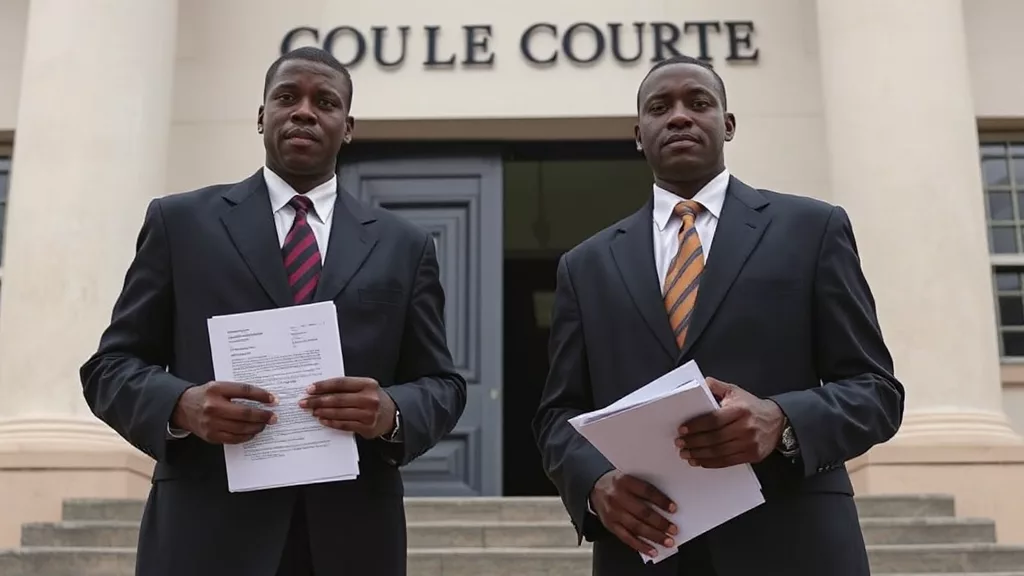
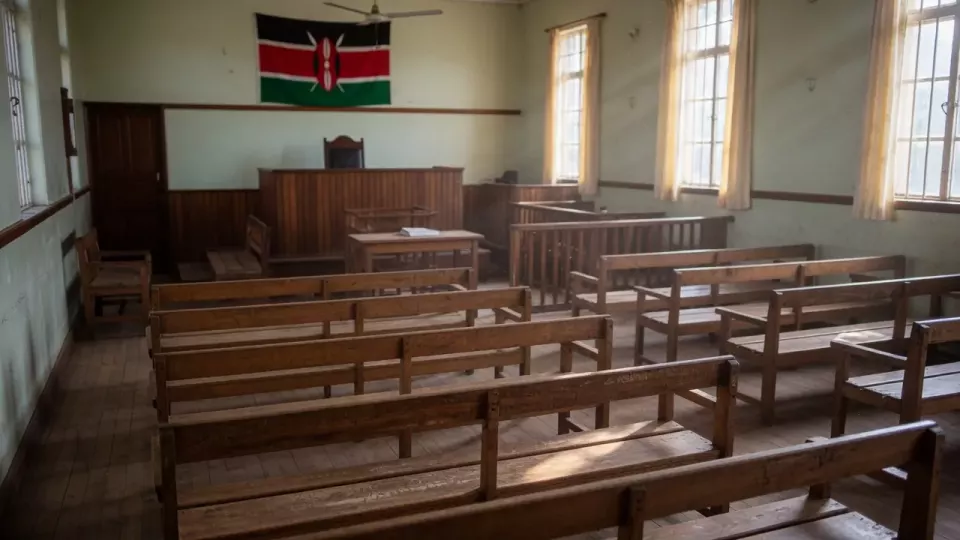
In a landmark ruling that marks a significant moment of accountability for the state's response to Kenya's seismic 2024 anti-Finance Bill protests, the High Court on Thursday ordered the government to pay Sh50 million in compensation to the families of nine individuals killed by police gunfire during the demonstrations that swept the country between June and July 2024. The ruling by Justice John Mativo in the Constitutional and Human Rights Division is the most substantial judicial finding yet against the state for its conduct during a period that fundamentally reshaped Kenyan politics.
The ruling found that six of the nine deaths were the result of direct, unprovoked gunfire by officers of the General Service Unit and the Regular Police Service, constituting a violation of the constitutional right to life under Article 26 and the right to assembly under Article 37. Three further deaths were attributed to injuries consistent with rubber bullets and teargas grenades fired at close range in circumstances the court found were disproportionate and unjustified.
The Case and the Court's Findings
The consolidated petition was filed in September 2024 by the families of nine of the sixty-plus individuals documented as killed during the protests, represented by a consortium of human rights lawyers including the Law Society of Kenya, the Kenya Human Rights Commission, and Amnesty International Kenya. The government, represented by the Attorney-General's office, argued throughout that officers had acted in accordance with use-of-force regulations and that several of the deaths were unrelated to police action.
Justice Mativo dismissed those arguments comprehensively. Drawing on CCTV footage, post-mortem reports from government pathologists, ballistic analysis commissioned by the court, and testimony from fifty-three witnesses, the judge concluded that "the evidence does not support a narrative of proportionate crowd control. It supports a narrative of lethal force deployed against unarmed civilians exercising constitutionally protected rights."
The court ordered payment of Sh4 million to Sh7 million per family, depending on the circumstances of each death, age of the victim, and number of dependants. The families of Brian Chira, 23, a student from Kiambu whose death was captured on widely shared video, and of Careen Chepchumba, 19, shot in Githurai 45, were awarded the highest individual sums. Total compensation ordered is Sh50.4 million, payable within 90 days.
Political Reverberations
The ruling arrives at a sensitive moment for President Ruto's administration, now in its third year, with the 2027 general elections approaching and the political legacy of the Gen Z uprising still raw. The protests forced the withdrawal of the Finance Bill 2024, triggered a Cabinet reshuffle, and catalysed a generation of young Kenyans into sustained political engagement. Several of the 2024 protest leaders have since launched civic organisations and are openly positioning themselves ahead of 2027 contests.
Law Society of Kenya President Faith Odhiambo called the ruling a milestone but emphasised it was only a beginning. "Sh50 million for nine lives is not justice — it is a starting point," she said. "There are over fifty additional families pursuing separate cases. There are police officers whose names are known, against whom no criminal charges have been filed. Accountability must go beyond compensation."
The Independent Policing Oversight Authority confirmed it has completed investigations into 23 of the 61 documented protest deaths and has forwarded files to the DPP recommending prosecution in eleven cases. The DPP has yet to act on those recommendations. Director Ingonga said his office was reviewing the files but declined to give a timeline, citing the complexity of building cases against named officers when some witnesses have reported intimidation.
Government's Response
Attorney-General Dorcas Oduor said the state respected the court's ruling and would engage the Treasury to identify the payment mechanism but indicated the government was considering whether to lodge a limited appeal on quantum. The statement was met with fury by family representatives. "They fought us every step of this case, and now they want to appeal the compensation amounts for children they shot dead," said advocate Omwanza Ombati, who represented four of the families.
Parliament's Justice and Legal Affairs Committee announced it would summon the Inspector General and the DPP within 30 days to account for progress on criminal accountability. The Gen Z civic networks have called for a national day of reflection on 25 June — the anniversary of the storming of Parliament — to mark what they describe as "a justice process that is still far from complete."