Kenya's Prisons Overcrowding Crisis Deepens as Population Hits 60,000
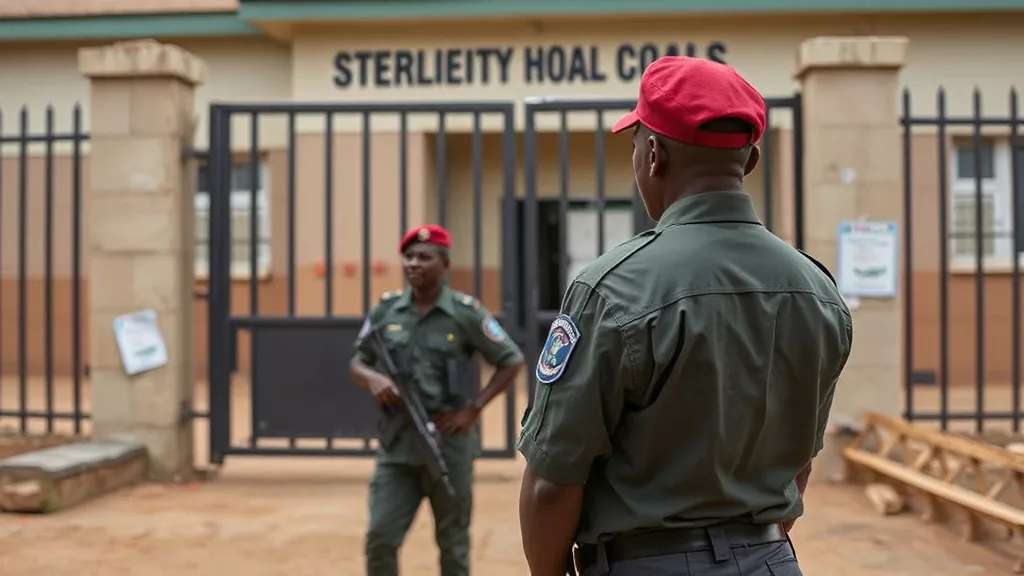
Kenya's prison system is in the grip of a deepening humanitarian crisis after official figures released by the Kenya Prisons Service confirmed that the national inmate population reached 60,247 as of 1 July 2026 — nearly three times the system's designed capacity of 22,000. Prison commissioners, human rights organisations and members of the Departmental Committee on Administration and Internal Security are now warning that without urgent structural intervention, the situation will deteriorate into a public health and security emergency.
The figures represent an increase of approximately 4,200 inmates since January 2026, driven primarily by a surge in pre-trial detention — an estimated 34 per cent of the current prison population has not been convicted of any offence but is awaiting trial in an overburdened court system. The average time a remand prisoner spends in custody before trial in Kenya currently stands at 22 months, according to the Prisons Service's own data.
Conditions Inside
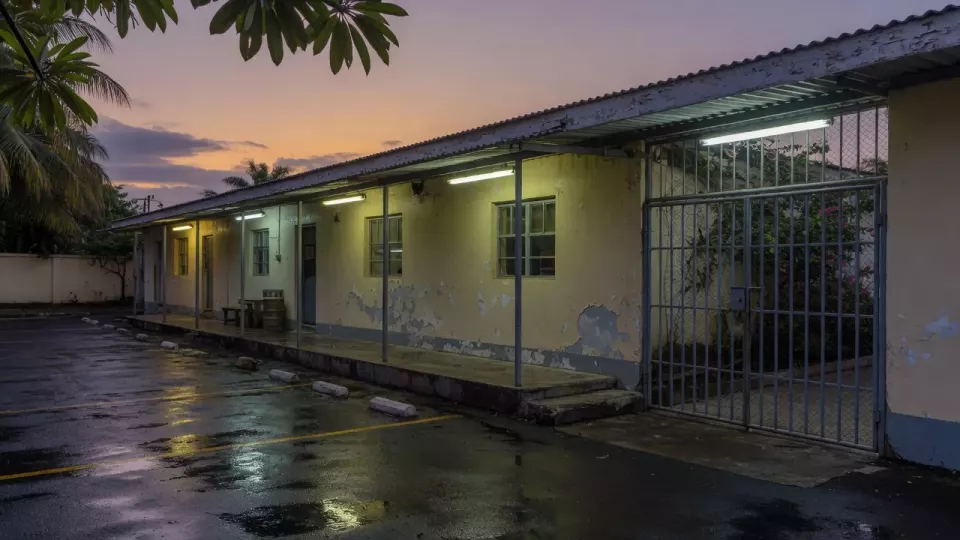
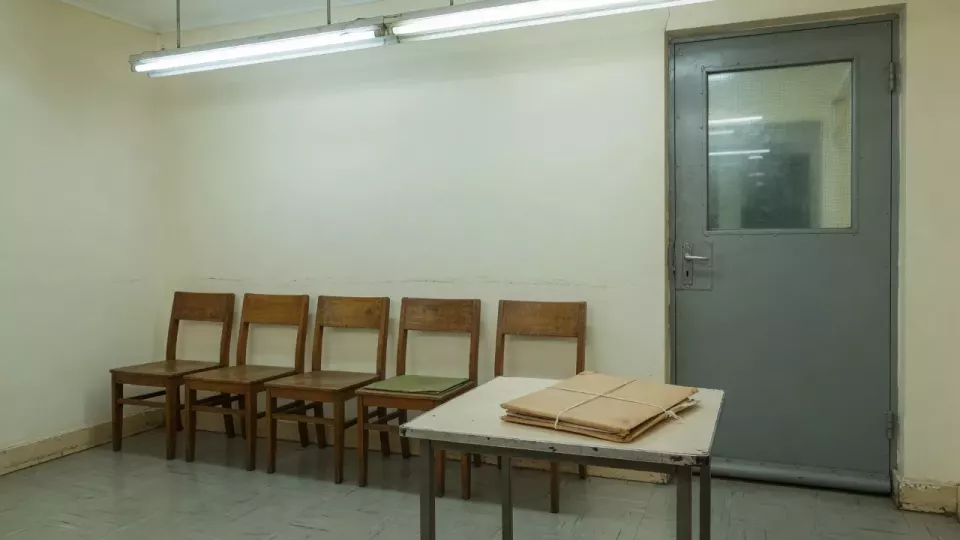
A monitoring report released jointly by the Kenya National Commission on Human Rights and the Independent Medico-Legal Unit in June painted a stark picture of conditions across the country's 119 prisons and remand homes. Kamiti Maximum Security Prison, designed for 2,500 inmates, is holding over 6,000. Nairobi Remand and Allocation Prison — colloquially known as Industrial Area — has nearly 4,000 inmates against a capacity of 800. Kodiaga Prison in Kisumu holds over 3,500 against a stated capacity of 1,200.
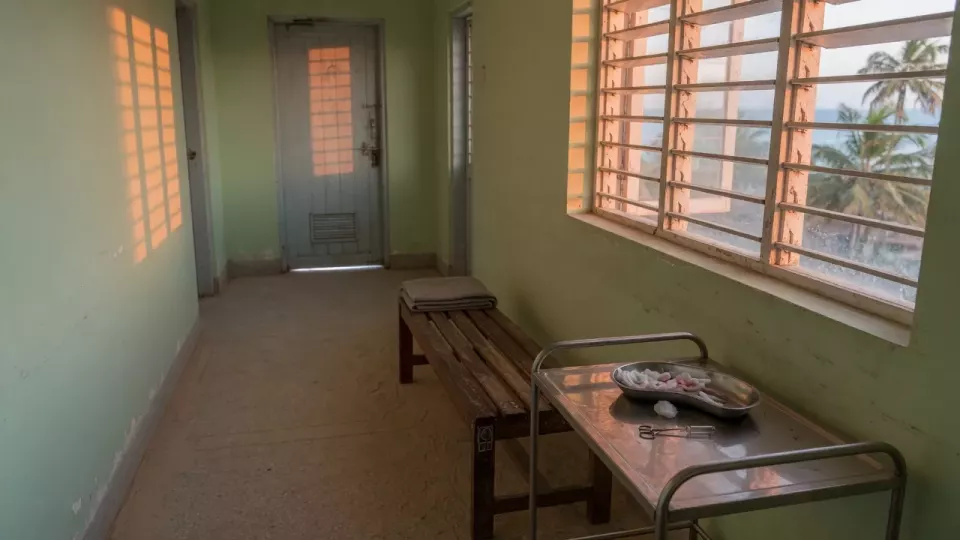
The report found that in the most overcrowded facilities, individual sleeping space averages 0.3 square metres per prisoner — a fifth of the minimum standard set by the UN Standard Minimum Rules for the Treatment of Prisoners. Tuberculosis infection rates within prisons are estimated to be 30 times higher than in the general population. Medical staff coverage is critically inadequate: the Prisons Service employs 87 doctors for 60,000 inmates, a ratio of one doctor to every 692 prisoners.
"People are sleeping in shifts because there is not enough floor space to lie down," said Dr Isaac Ochieng of the Independent Medico-Legal Unit. "We documented open wounds left untreated for weeks, TB patients sharing sleeping mats with other inmates, and mental health cases receiving zero specialised care. This is not a correctional system — it is a containment exercise that makes people worse."
Systemic Causes
The Attorney-General's office and The Judiciary have identified several systemic drivers of overcrowding. Mandatory minimum sentences introduced under anti-terrorism, drug trafficking and sexual offences legislation have removed judicial discretion to impose non-custodial alternatives. The cash bail system disproportionately penalises poor defendants who cannot afford bail: over 20,000 remand prisoners are detained on bailable offences they simply cannot afford to be released from.
The DPP's office has been under pressure to accelerate nolle prosequi decisions — formal decisions not to proceed — in cases where evidence is insufficient, but the office cites resource constraints. "We have 450 prosecutors nationally for a caseload that would require 1,200 to clear efficiently," said Senior Prosecution Counsel David Kimani. "Cases pile up, and the human cost of that backlog is measured in years of people's lives spent in remand."
The SHA rollout replacing NHIF has created additional complications for prison healthcare, as prisons have not been fully integrated into the new universal health coverage framework, leaving medical supply chains uncertain in multiple facilities.
Calls for Reform
The National Assembly's Administration Committee is currently reviewing the Prisons (Amendment) Bill, 2026, which proposes expanded use of community service orders, electronic monitoring for low-risk offenders, and an emergency decongestion mechanism allowing the Chief Justice to order the release of unconvicted remand prisoners held beyond 24 months. Civil liberties groups support the bill but warn that without parallel investment in community supervision infrastructure, electronic monitoring risks becoming an unfunded mandate.
The government has allocated Sh2.8 billion in the 2026/27 budget for prison infrastructure, including a new 3,000-capacity facility in Konza Technopolis — but that facility is not expected to be operational before 2029. In the interim, rights groups are urging the Ruto administration to issue an executive directive expanding eligibility for the presidential pardon mechanism for non-violent, first-time offenders, a measure last deployed meaningfully in 2019. The 2027 election cycle is already shaping political calculations around the reform agenda.