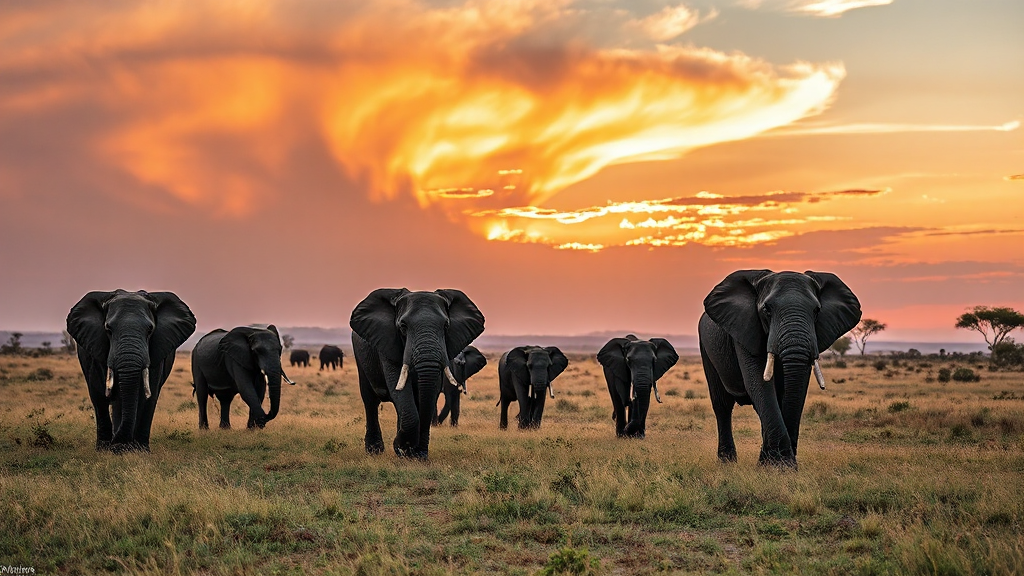
Kenya’s elephant population has reached 36,000 individuals, according to the 2026 National Wildlife Census published by the Kenya Wildlife Service on 27 June — an increase of approximately 12 per cent on the 32,100 counted in the landmark 2021 census and the highest figure recorded since systematic aerial surveying began in the 1980s. The result represents one of the most significant conservation successes in sub-Saharan Africa, achieved against a backdrop of persistent poaching pressure, expanding human settlements, and the climate disruptions of the El Niño cycle.
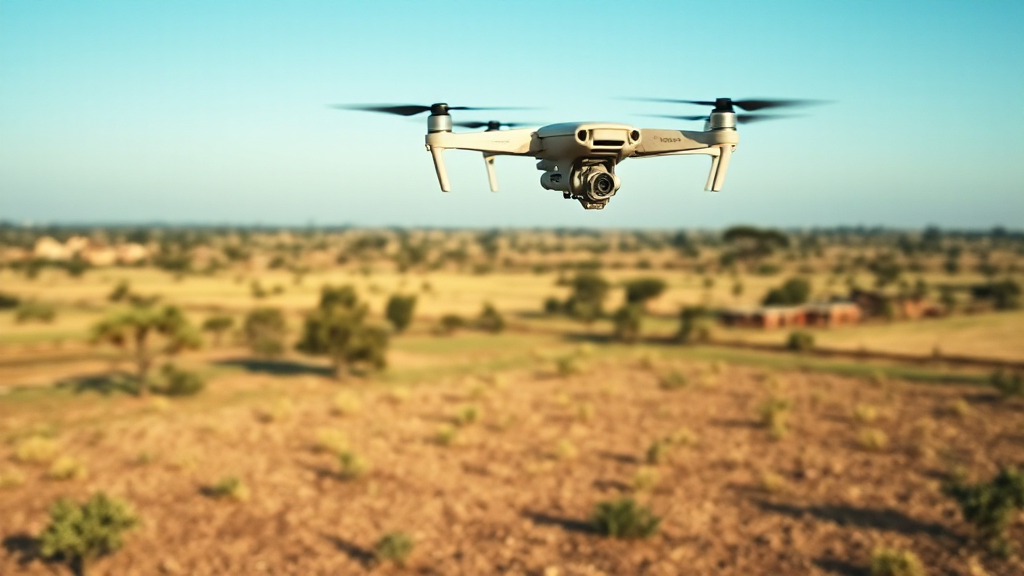
The census, which deployed a combination of fixed-wing aircraft transects, drone swarms equipped with thermal imaging, and AI-assisted individual identification from camera trap networks, was conducted over six weeks in March and April 2026. It covered all 22 national parks, 34 national reserves, and an estimated 9.8 million hectares of community conservancy land managed by the Northern Rangelands Trust, the Maasai Mara ecosystem trusts, and the Amboseli-Tsavo corridor conservancies. KWS Director-General Erustus Kanga described the result as “a vindication of the community conservation model and a rebuke to those who said elephant recovery was impossible in a human-dominated landscape.”
Where the Elephants Are
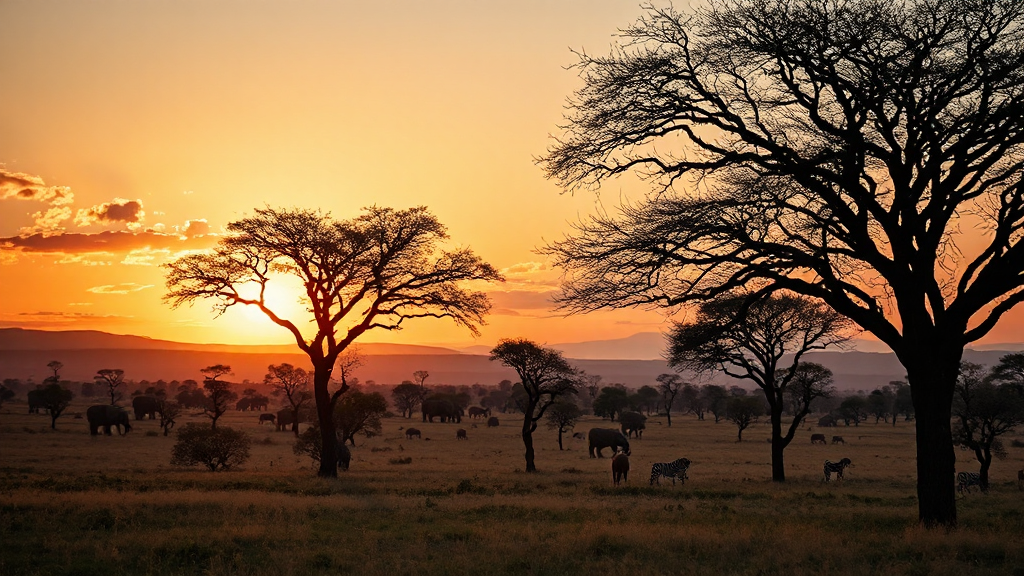
The largest single population remains in the Tsavo ecosystem — encompassing Tsavo East, Tsavo West, and the adjacent community lands of Taita-Taveta and Kilifi counties — where 14,200 elephants were counted, up from 12,800 in 2021. The Amboseli ecosystem recorded 2,100 individuals, a population whose matriarchs are among the most intensively studied elephants on earth through the Amboseli Elephant Research Project, now in its 52nd year of continuous observation. The Laikipia plateau and its adjoining Samburu reserves registered 6,800 elephants, a figure that reflects both population growth and improved census coverage of the privately owned ranches that form critical habitat corridors.
Community conservancies account for an estimated 40 per cent of the counted population outside formal protected areas, reinforcing the long-held thesis that conservation beyond park boundaries is decisive for Kenya’s megafauna. The Northern Rangelands Trust, whose 43 member conservancies cover 42,000 square kilometres, recorded 8,700 elephants within or regularly transiting its lands — a 19 per cent increase on 2021 figures that the NRT attributes to its community ranger programme, which employs over 1,100 trained rangers from pastoral communities.
Anti-Poaching Progress and Remaining Threats
The census results track closely with sustained declines in elephant poaching. KWS data show that confirmed poaching deaths fell to 11 in 2025, compared with 59 in 2019 and a peak of 384 in 2012 during the ivory trafficking crisis fuelled by Asian criminal networks. The turnaround reflects tighter international ivory trade enforcement, improved intelligence sharing between KWS and Interpol’s Project Wisdom, and the deployment of GPS satellite collars on 212 elephants across key populations, enabling near-real-time movement monitoring.
However, wildlife officials are careful not to frame the 36,000 figure as an uncomplicated success story. Human-wildlife conflict, particularly crop raiding and retaliatory killings, cost the lives of 34 elephants in 2025 and caused an estimated Ksh 420 million in crop damage across 14 counties. KWS paid out Ksh 180 million in wildlife damage compensation during the year, a figure that strained the service’s budget even after an emergency supplementary allocation. The Wildlife Conservation and Management Act’s compensation ceiling of Ksh 20,000 per acre of damaged crop has not been revised since 2013, leaving many farmers far below their actual losses and fuelling resentment.
Climate change is also reshaping elephant distribution in ways that create new friction points. Prolonged dry spells in Kajiado and Narok counties in early 2026 pushed elephant herds closer to Nairobi’s southern suburbs than at any point in recorded history, with one group of 14 individuals photographed grazing within four kilometres of Kitengela town in February. KWS is reviewing the Athi-Kapiti plains corridor’s land use agreements with urgent priority to ensure passage routes remain open as human settlement encroaches from the north. The elephant’s continued recovery depends, as it always has, on human decisions about land.