Uhuru Kenyatta Makes Surprise Political Comeback, Endorses Opposition Candidate
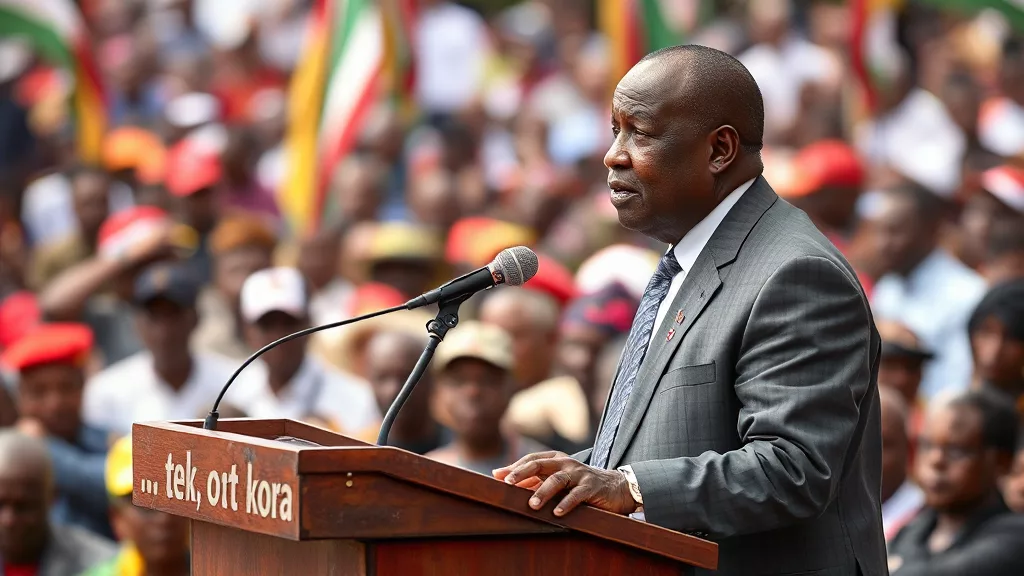
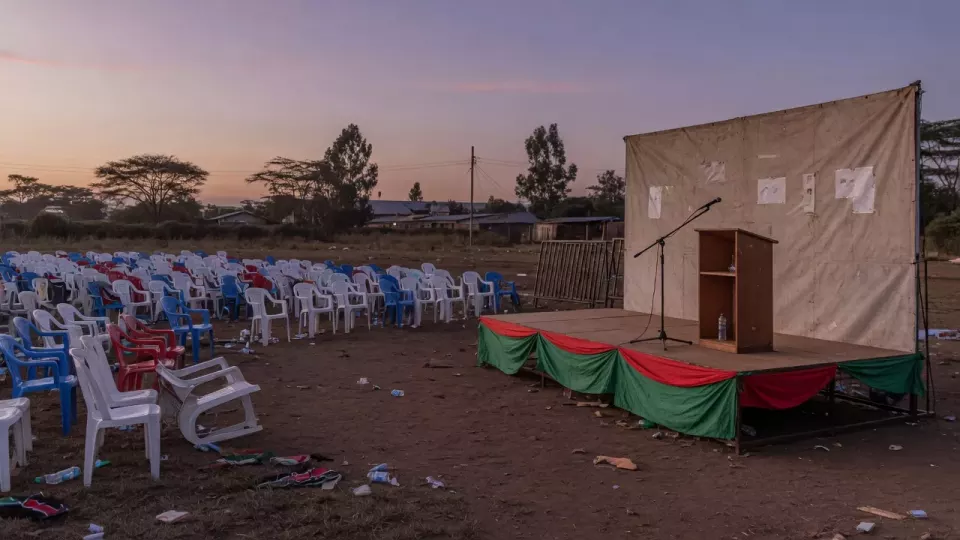
Uhuru Kenyatta, Kenya's fourth president who retreated into a conspicuous political silence following the collapse of his Azimio coalition's electoral challenge in 2022, has returned to the national stage with a declaration that will reorder the already volatile arithmetic of the approaching 2027 general election. Speaking before a gathering of over 12,000 supporters at Kasarani Stadium in Nairobi on Saturday, Kenyatta publicly endorsed the candidacy of former Deputy President Rigathi Gachagua, describing him as the right leader to "restore dignity to the House of Mumbi and justice to all Kenyans."
The endorsement, which had been rumoured in political circles for several weeks but was widely expected to be deferred, sent an immediate shockwave through Kenya's political establishment. Gachagua, who was controversially impeached from the deputy presidency by Parliament in October 2024, has since reinvented himself as a populist opposition figure, cultivating deep support in the Mount Kenya region and positioning his Democracy for Citizens Party as the vehicle for a 2027 presidential bid.
A Calculated Alliance
The Kenyatta endorsement transforms Gachagua's campaign from a regionally anchored insurgency into a nationally credible challenge. Kenyatta retains significant organisational capacity through networks linked to the former Jubilee Party machinery, access to resources from the Kenyatta family's extensive business interests, and residual goodwill among moderate Kikuyu and Embu voters who feel politically orphaned since the Ruto-Gachagua falling-out.
"I do not do this out of personal grievance," Kenyatta told the Kasarani crowd, dressed characteristically in a brown leather jacket rather than a suit. "I do this because the ordinary mwananchi is suffering. The cost of unga, the cost of medicine, the cost of school fees — these have not come down. We owe this generation a better government." The reference to unga — maize flour — the perennial barometer of Kenyan living standards, drew thunderous applause.
Political analyst Dr Nerima Wako-Ojiwa of the Africa Policy Institute said the alliance was transactional but strategically sound. "Kenyatta delivers the organisational infrastructure and the Kiambu vote bank. Gachagua delivers the grassroots anger and the Mt Kenya periphery — Nyeri, Kirinyaga, Tharaka Nithi — that feels it got nothing from the Ruto era. Together they are a formidable combination."
Ruto Camp Responds
The Kenya Kwanza administration was swift to downplay the development. Deputy President Kithure Kindiki, speaking at a separate function in Meru, dismissed the alliance as "political recycling by those who had their chance and wasted it." State House communications director Hussein Mohamed issued a statement noting that President Ruto remained focused on delivering the bottom-up economic transformation agenda and was unconcerned by "theatrical reunions."
Behind the composed public messaging, however, sources within the ruling coalition told ZaKenya that the Kenyatta move has prompted urgent consultations about broadening the Kenya Kwanza tent ahead of 2027. Wiper Democratic Movement leader Kalonzo Musyoka, long courted by both camps, is now reportedly being offered a running-mate position by the Ruto side, a proposal Kalonzo's team has neither confirmed nor denied.
The Gen Z Factor
Perhaps the most uncertain variable is how the youth electorate — galvanised by the 2024 Gen Z protests that fundamentally altered Kenya's political culture — will respond to a contest dominated by familiar faces. Youth-led civil society groups were quick to issue a joint statement cautioning voters against "recycled elites offering the same solutions with different branding." The statement, signed by 34 organisations, noted that neither Kenyatta nor Gachagua had meaningfully engaged with the protest generation's demands for structural governance reforms.
For now, the Kasarani rally has injected energy and drama into a 2027 campaign season that, until this weekend, felt like a slow-motion rerun. Kenyatta's biographers will note the irony: the man who helped engineer Ruto's presidency in 2022 has become the most prominent architect of the project to end it.