Kenya Signs New Security Cooperation Agreement with US to Combat Terror
Politics

Kenya Signs New Security Cooperation Agreement with US to Combat Terror

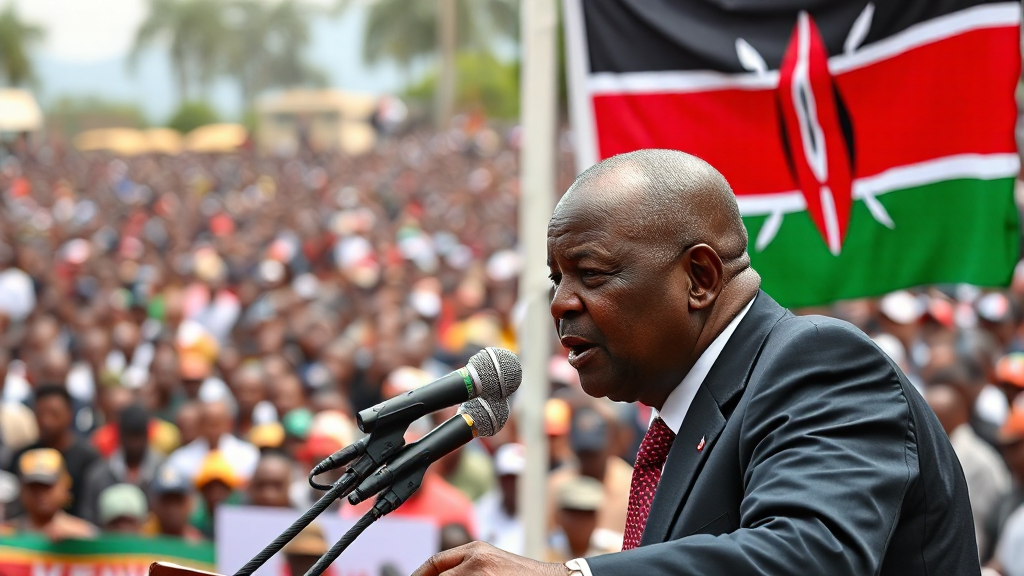
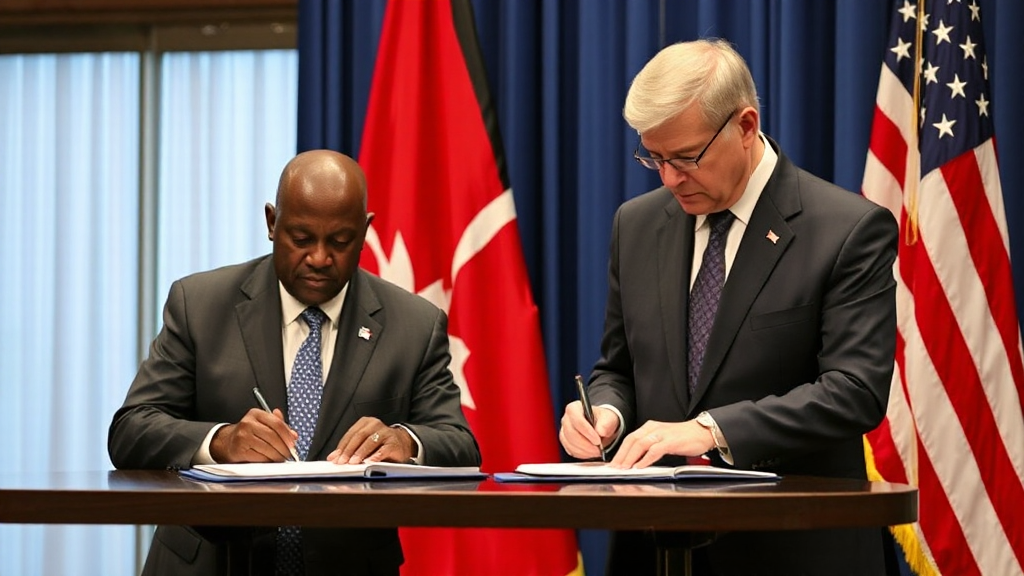
Kenya and the United States signed a landmark Enhanced Security Cooperation Framework in Nairobi on Thursday, formalising what both governments described as the most comprehensive bilateral defence and intelligence partnership in the history of the relationship between the two countries. The agreement, signed by Cabinet Secretary for Defence Aden Duale and visiting US Secretary of State Marco Rubio, covers counterterrorism intelligence-sharing, joint training programmes, cybersecurity cooperation, and a fresh tranche of military hardware transfers valued at approximately 230 million US dollars.

The signing comes at a moment of renewed urgency. Al-Shabaab’s cross-border attacks into Kenya’s north-eastern counties have escalated in frequency over the past eighteen months, with 14 separate incidents recorded between January and June 2026 in Mandera, Wajir, and Lamu counties, killing 47 Kenyan security personnel and 23 civilians. A particularly lethal ambush in Wajir County in March, which claimed the lives of 11 Kenya Defence Forces soldiers, prompted emergency security reviews and accelerated the diplomatic timeline for the new framework.

What the Agreement Contains

Beyond the headline military assistance, the framework establishes a Joint Intelligence Fusion Centre to be housed at Kenya’s National Intelligence Service headquarters in Nairobi, staffed by personnel from both countries and equipped with US-provided signals intelligence technology. American officials say the centre will significantly improve the speed at which actionable intelligence on al-Shabaab movements is shared with Kenyan commanders in the field.

The deal also creates a fast-track channel for Kenya to procure additional armed surveillance drones, building on the country’s existing fleet of Israeli-made Heron UAVs. Three new US-manufactured Predator MQ-9 variants are included in the current transfer, with delivery expected before the end of the calendar year. Separately, the US will fund a training programme at the Eldoret-based Kenya Military Academy for 400 counter-IED specialists over three years.

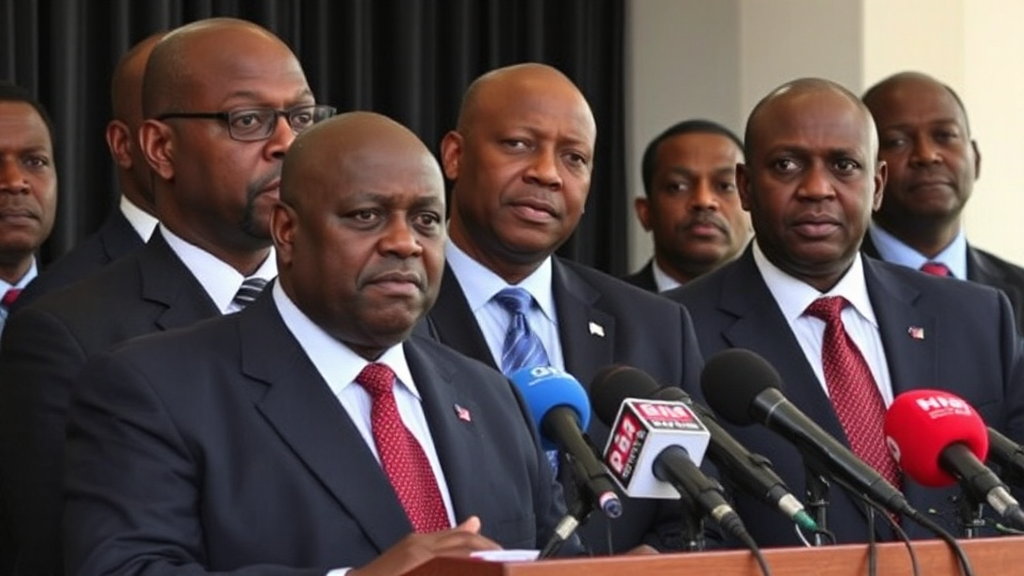
“This agreement is not merely about hardware,” Secretary Rubio said at a joint press conference at the US Ambassador’s residence in Gigiri. “It is about building the institutional capacity of a partner nation that has been on the front line of the fight against extremism in East Africa for decades. Kenya’s sacrifices have been immense. America stands with Kenya.”

Regional Context and Sensitivities

The agreement has generated nuanced reactions across the region. Ethiopia, whose relations with Nairobi have been complicated by the Nile water dispute and the ongoing Tigray reconstruction period, issued a diplomatic note expressing concern about “militarisation of the sub-region without adequate multilateral consultation.” Somalia’s Federal Government, whose own partnership with the US is a pillar of the anti-Shabaab campaign, welcomed the Kenya deal as complementary to the broader ATMIS transition framework.

Kenya’s peacekeeping contribution in Haiti — which has seen over 1,000 KDF and National Police Service personnel deployed since 2024 under a UN mandate — also featured in the discussions, with Rubio acknowledging Kenya’s extraordinary commitment to global security at a time when many nations have retrenched. The US agreed in principle to provide additional logistical support for the Haiti mission, including air transport capacity.

Human rights organisations raised concerns about oversight provisions. Amnesty International Kenya said the agreement’s intelligence-sharing provisions must be accompanied by clear accountability frameworks to prevent abuses of the kind documented during previous counterterrorism operations in Mandera and Lamu, where civilian communities experienced forced displacements and extrajudicial killings attributed to security forces. The agreement text, portions of which remain classified, is said to include a human rights conditionality clause, though its enforcement mechanisms have not been publicly detailed.

Domestic Reception

CS Duale, whose tenure at the Defence ministry has been marked by a systematic effort to modernise the KDF’s capabilities, described the agreement as a generational investment. “We are not outsourcing our security to anyone,” he said. “We are building partnerships that make our own forces more capable, more lethal against the enemy, and better equipped to protect Kenyan lives.” Opposition figures broadly supported the security dimensions of the deal while demanding full parliamentary scrutiny of its financial annexures before ratification, as required under Article 211 of the Constitution.

Read More
Kenya's New Affordable Housing Programme Delivers First 5,000 Units in Nairobi
Politics

Kenya’s New Affordable Housing Programme Delivers First 5,000 Units in Nairobi

Kenya’s Affordable Housing Programme reached a watershed moment this week when President William Ruto presided over the handover of the first 5,000 completed residential units to new homeowners in Nairobi, delivering on a promise that has defined his administration’s domestic agenda since 2022 and silencing, at least temporarily, critics who labelled the initiative an expensive political gamble.

The units, distributed across three estates — Park Road in Ngara, Jevanjee in Pangani, and a new high-rise development on the former Muthurwa Market site in Starehe — were awarded to beneficiaries drawn from a waiting list of over 320,000 Kenyans who enrolled through the Boma Yangu portal. Monthly mortgage repayments for a standard one-bedroom unit have been pegged at Ksh 5,200, with the government absorbing the land-cost component through the National Housing Corporation.

A Programme Built on Controversy

The journey to this handover has been far from smooth. The Affordable Housing Levy — a 1.5 per cent deduction from gross salaries — was among the triggers for the June 2024 Gen Z protests that convulsed the country and forced the withdrawal of the Finance Bill. After months of legal battles and a Supreme Court ruling that ultimately upheld the levy’s constitutionality under a revised framework, the government resumed full collections in early 2025 and channelled the proceeds into a ring-fenced construction fund now valued at Ksh 84 billion.

“This is not a political event. This is the moment ordinary Kenyans who have rented for decades become owners,” President Ruto told thousands of beneficiaries assembled at the Uhuru Gardens handover ceremony. “The sceptics said it could not be done. Sixty thousand more units are under construction today.”

Lands and Housing Cabinet Secretary Alice Wahome confirmed that a further 22 counties have active construction sites under Public-Private Partnership agreements, with Spanish firm Acciona, Chinese state-owned CSCEC, and local developer Cytonn among the contracted parties. The government estimates the programme will create 150,000 direct construction jobs by mid-2027.

Who Actually Benefits?

Eligibility criteria have drawn scrutiny from housing rights advocates. The Kenya Human Rights Commission noted in a briefing published this month that 68 per cent of successful Boma Yangu applicants in the first allocation round are formally employed, meaning the programme disproportionately serves salaried workers who already contribute the levy, while the urban poor in informal settlements — the demographic most acutely in need — are largely excluded owing to the mortgage qualification threshold of a minimum monthly income of Ksh 18,000.

Mathare MP Anthony Oluoch was blunt in his assessment: “Five thousand units for a city of five million is a rounding error. We need 250,000 units in Nairobi alone, and most of those must be for people earning below the minimum wage.” The government has indicated that a social rental tier, targeting households below the poverty line, will be introduced in the second phase of the programme beginning in January 2027.

Nairobi Governor Johnson Sakaja attended the ceremony and pledged county government support for infrastructure connections — roads, water, and sewerage — at all three new estates, a historically contentious issue where national and county governments have clashed over cost-sharing responsibilities.

Economic Multiplier or Political Optics?

The timing is not lost on political analysts. With the 2027 general election now firmly on the horizon, the housing handover provides the Ruto administration with a tangible symbol of delivery at a moment when public approval ratings, dented by IMF-linked austerity and the SHA health-fund transition from NHIF, have been under pressure. A survey by Infotrak Research released in June placed public satisfaction with the housing programme at 41 per cent nationally, rising to 57 per cent among Nairobi respondents.

For the 5,000 families clutching their title deeds on Wednesday, the politics mattered little. “I have lived in Mathare for 27 years paying rent,” said Wanjiru Muthoni, a primary school teacher and mother of three who received a two-bedroom unit at Park Road. “Today my children have a home.” Her sentiment, replicated thousands of times across the handover queue, is precisely the narrative the administration intends to carry into the next electoral cycle.

Read More
Opposition Alliance Officially Registers Party to Challenge Ruto in 2027 Elections
Politics

Opposition Alliance Officially Registers Party to Challenge Ruto in 2027 Elections

Kenya’s fragmented opposition landscape took a definitive step toward consolidation on 28 June when the Registrar of Political Parties issued a certificate of registration to Umoja wa Kenya — a new political party formed by the broad opposition alliance that has spent the past 18 months attempting to forge a unified vehicle capable of defeating President William Ruto in the August 2027 general election.

The registration, which followed a prolonged internal negotiation over governance structures, candidate nomination rules, and the allocation of party leadership positions among constituent factions, was greeted with a rally at Uhuru Park in Nairobi attended by senior figures from across the alliance — including former Prime Minister Raila Odinga, Wiper’s Kalonzo Musyoka, former Deputy President Rigathi Gachagua, and a delegation representing the Mombasa-based coastal political networks previously aligned with the Kilifi kingpin Aisha Jumwa.

The Alliance’s Unlikely Architecture

What makes Umoja wa Kenya politically significant — and analytically interesting — is the range of interests it has managed to house under a single registration. The core of the alliance is the Azimio la Umoja coalition that ran Raila Odinga in the 2022 presidential election. Joined to that core are the political networks of Gachagua, whose acrimonious impeachment as Deputy President in October 2024 transformed him from Ruto’s closest political partner into his most consequential internal enemy, bringing with him substantial influence across the Mt Kenya region.

The alliance also includes a significant faction of former Kenya Kwanza members of Parliament from the Rift Valley who have grown disillusioned with what they describe as Ruto’s centralisation of decision-making, and a loosely organised bloc of Gen Z civil society leaders who have declined to formally align with the party’s founding structures but have agreed to support its candidate in 2027 if certain policy commitments — including repeal of the housing levy, reform of the SHA co-payment structure, and establishment of an independent police oversight body — are incorporated into the party’s manifesto.

Party National Chairman James Orengo, the Siaya Senator and veteran of multiple opposition formations, acknowledged at the registration ceremony that holding the alliance together would require continuous political management. “We are not a natural alliance. We are a necessary alliance,” he said. “The only thing that unites every one of us is the conviction that Kenya deserves better governance than it is receiving.”

The Presidential Candidate Question

The most consequential — and as yet unresolved — question hanging over Umoja wa Kenya is who will carry the party’s presidential nomination. Raila Odinga, who has contested the presidency four times and lost on each occasion, has not ruled out a fifth attempt, though associates say his appetite for another gruelling national campaign following his unsuccessful bid to lead the African Union Commission is uncertain.

Kalonzo Musyoka has declared his candidacy explicitly, positioning himself as the alliance’s consensus choice and arguing that the two previous Raila candidacies had maximised his support ceiling without breaking through. Gachagua’s camp has been deliberately ambiguous, with some of his lieutenants floating his own presidential ambitions while others suggest he would settle for the deputy presidential nomination on a Kalonzo or Raila ticket — a position that would restore him to the proximity to power from which he was so dramatically removed.

The party’s constitution requires a competitive nomination process, with delegates from the 47 counties casting votes at a national delegates’ conference scheduled for January 2027. Political analysts say that conference will be the true test of the alliance’s cohesion — and that several of its current members are likely to exit if their preferred candidate is not selected.

What Ruto’s Camp Is Watching

State House has watched the registration with conspicuous public calm. Deputy President Kithure Kindiki told journalists last week that the ruling United Democratic Alliance (UDA) was “focused on delivering for Kenyans, not on watching what the opposition does in its press conferences.” The messaging is calibrated: appearing rattled by the Umoja wa Kenya registration would confer on it a significance the government prefers not to acknowledge.

Privately, however, Ruto’s strategists are understood to be concerned specifically about the Gachagua factor. The former Deputy President retains a genuine and energised political base in the Mt Kenya region — the vote-rich counties of Nyeri, Kirinyaga, Murang’a, and Embu — without which Ruto’s 2022 coalition is mathematically precarious. Any credible polling that shows Gachagua successfully peeling that constituency away from UDA will alter the political calculus significantly.

With 13 months remaining before the Independent Electoral and Boundaries Commission opens voter registration for the 2027 cycle, Kenya’s political landscape is taking the shape it will carry into the campaign. The question of whether Umoja wa Kenya’s unity is durable enough to survive the pressures of a competitive nomination race and an incumbent with significant state resources at his disposal will define the country’s politics through the months ahead.

Read More
Ruto Eyes 2027 Re-Election with New Youth Economic Empowerment Package
Politics

Ruto Eyes 2027 Re-Election with New Youth Economic Empowerment Package

President William Ruto used a nationally televised address at State House on the last day of June to unveil what he called the Maisha Bora Youth Economic Empowerment Package — a Ksh 120 billion multi-year programme targeting job creation, digital skills training, startup finance, and the creative economy that his administration hopes will reshape his political standing among the under-35 voters who delivered the most consequential political shock of his presidency: the June 2024 Gen Z protests that nearly toppled his government.

The package, which will be funded partly through the national budget and partly through a new Kenya Youth Development Bond to be listed on the Nairobi Securities Exchange, represents the most ambitious social investment commitment Ruto has made since taking office in September 2022. It also, most political analysts agree, marks the formal opening of his 2027 re-election campaign.

What the Package Contains

The Maisha Bora package has five headline components. First, a Ksh 35 billion expansion of the Hustler Fund, with new product lines targeting small and medium enterprises that can access loans of up to Ksh 500,000 at concessionary interest rates. Second, a Ksh 28 billion national digital skills programme that commits to training 500,000 young Kenyans in ICT, artificial intelligence, and green technology skills by 2027, delivered through a partnership between the Technical and Vocational Education and Training (TVET) system and private sector technology companies including Safaricom, Microsoft East Africa, and Google Kenya.

Third, a Ksh 22 billion manufacturing internship and placement scheme that will pay a monthly stipend of Ksh 15,000 to recent TVET and university graduates placed with participating private sector employers — a programme modelled in part on a South African scheme but adapted to Kenya’s jua kali-dominated employment landscape. Fourth, a Ksh 18 billion creative and sports economy fund targeting content creators, musicians, athletes training for the 2028 Los Angeles Olympics, and the film and gaming sectors. Fifth, a Ksh 17 billion county youth enterprise fund distributed through devolution to all 47 counties, with mandatory gender equity provisions requiring at least 40 per cent of beneficiaries to be women.

“In June 2024, young Kenyans told us something important,” Ruto said in the address. “They told us that opportunity must be real, not rhetorical. This package is our answer — not in words but in shillings, in skills, in space for your ambition.” The framing was deliberate: a direct acknowledgement of the protests, something the President had resisted doing for much of the preceding two years.

The Political Calculation

Ruto enters the 2027 electoral cycle in a position of considerable political complexity. His approval ratings, which collapsed following the Finance Bill protests and the deadly security response in which more than 60 demonstrators were killed, have partially recovered — the latest Infotrak poll, conducted in May, put his net approval at minus 11, an improvement from minus 31 in October 2024 but still deeply negative by historical re-election standards.

His base among the Mt Kenya region — which provided the numerical foundation for his 2022 victory alongside the Rift Valley — has frayed after the political rupture with former Deputy President Rigathi Gachagua and the subsequent realignment of Kikuyu political networks. The Maisha Bora package is partly designed to rebuild that base through its county enterprise fund distributions, but its primary political target audience is unmistakably the urban youth cohort that swings elections in Nairobi, Mombasa, Kisumu, and Nakuru.

Political analyst Dr Nerima Wako-Ojiwa of the University of Nairobi told ZaKenya.com that the package was “well-targeted in diagnosis but carries credibility risks given the implementation record of similar initiatives.” She noted that the Hustler Fund’s original phase had been criticised for high default rates and limited reach to genuinely low-income borrowers, and that the new expansion would need to address those structural weaknesses rather than simply scale a flawed model.

Opposition and Civil Society Reactions

Opposition figures were predictably dismissive. Wiper leader Kalonzo Musyoka described the package as “a pre-election sweetener funded by the same taxpayer who has been squeezed by fuel levies and VAT for three years.” The Azimio coalition issued a statement challenging the Treasury to publish the financing mechanism within 30 days, noting that commitments of this magnitude require credible budget allocations, not political announcements.

Civil society organisations were more nuanced. The Youth Lobby Group, which emerged from the 2024 protest movement, published a detailed technical analysis of the package within 48 hours of the announcement, identifying specific implementation benchmarks it would use to track delivery. “We will not be managed with press releases,” the lobby’s executive director stated. “Specific deliverables, measurable timelines, independent audits. That is the standard now.”

Whether the Maisha Bora package succeeds as politics depends, in the end, on whether it succeeds as policy — a calculation that 13 months of political management have apparently persuaded Ruto’s advisers to take seriously.

Read More
Kenya's Constitution Bill of Rights in Everyday Language
Politics

Kenya’s Constitution Bill of Rights in Everyday Language

Key takeaways

  • Focus topic: Kenya bill of rights explained
  • Covers: freedoms, remedies, courts, practical tips for residents and visitors
  • Best for: residents, diaspora returnees and visitors planning around Kenya
  • Next step: follow the checklist, then verify official fees and dates

Kenya’s Constitution Bill of Rights in Everyday Language is a practical ZaKenya guide built around search intent for Kenya bill of rights explained. Whether you live in Nairobi, the Coast or a rural county, reliable guidance saves time and money. Below you will find steps, costs context and local tips you can use immediately.

Why This Matters in Kenya Today

Interest in Kenya bill of rights explained has grown because Kenyans and guests want dependable answers without jargon. Understanding the landscape helps you plan budgets, avoid delays and make safer choices. This topic connects daily life with wider trends in infrastructure, digital services and county-level delivery.

ZaKenya publishes location-aware explainers so readers can move from curiosity to action — whether that means booking a trip, filing a form, starting a side hustle or improving a home.

Key Facts and Practical Context

  • Freedoms: A core piece of the puzzle when researching Kenya bill of rights explained in Kenya — note how it interacts with transport, cost and seasonality.
  • Remedies: A core piece of the puzzle when researching Kenya bill of rights explained in Kenya — note how it interacts with transport, cost and seasonality.
  • Courts: A core piece of the puzzle when researching Kenya bill of rights explained in Kenya — note how it interacts with transport, cost and seasonality.
  • Practical tips for residents and visitors: A core piece of the puzzle when researching Kenya bill of rights explained in Kenya — note how it interacts with transport, cost and seasonality.
  • Local variation: Nairobi, Mombasa, Kisumu and smaller towns can differ in price, availability and paperwork.
  • Digital first: Many services now start online (eCitizen, bank apps, booking platforms) before an in-person visit.

Step-by-Step Guidance

  1. Clarify your goal. Write down what success looks like for Kenya bill of rights explained — budget, timeline and who else is involved.
  2. Gather documents and tools. ID, phone number registered to you, payment method (often M-Pesa) and any reference numbers.
  3. Compare two reliable sources. Check an official page plus one recent community or editorial guide for practical caveats.
  4. Execute in order. Complete online steps first when available, then schedule physical visits early in the day.
  5. Keep proof. Save receipts, SMS confirmations and screenshots in a single folder for follow-up.
  6. Review outcomes. If something fails, note the error message or office feedback before retrying.

Costs, Timing and Common Mistakes

Budgets for Kenya bill of rights explained vary by county, season and provider quality. Build a simple list: fixed costs (fees, transport, materials) versus optional upgrades. Add a 10–15% contingency for fuel, queues or last-minute document copies.

Common mistakes include arriving without photocopies, trusting unverified social media prices, underestimating travel time on rainy days, and skipping written agreements for services. Peak holidays and school breaks also change queues and rates.

Plan for process, not just price. In Kenya, the smooth path is usually the one with verified contacts, realistic timing and backup payment options.

Local Tips from Across the Counties

In major urban centres, digital tools and ride-hailing make logistics easier. In rural counties, early starts, cash float and local referrals matter more. Ask neighbours, chamas or ward administrators for current contacts — phone numbers change often.

When dealing with tourism, conservation or agriculture topics, respect community conservancies and private land rules. Always seek permission before filming people or entering fenced property. For business and finance topics, verify licences and never share OTPs or M-Pesa PINs.

Related reading on ZaKenya spans agriculture, education, environment, finance and lifestyle — use category pages to deepen your research after finishing this guide on Kenya bill of rights explained.

Frequently Asked Questions

Who is this guide for?

Residents, returning diaspora, students and visitors who need actionable Kenya-focused advice on this topic.

Is this information official?

This is editorial guidance based on commonly used public processes. Always confirm fees and forms on official portals before applying or travelling.

How often should I recheck details?

Rules, prices and seasons change. Review key numbers before travel, applications or investments.

Does this apply outside major cities?

Yes. Where processes differ by county, start with your county website or local office and adapt the steps.

Conclusion

Kenya’s Constitution Bill of Rights in Everyday Language does not have to feel overwhelming. With a clear checklist, realistic budget and local awareness, you can move faster and with fewer surprises. Bookmark this page and share it with family members who need the same information.

ZaKenya will keep updating practical Kenya guides as policies, seasons and digital tools evolve. Explore more articles in the Politics category for related stories and how-to resources.

Read More
How to Participate in Public Participation Forums Effectively
Politics

How to Participate in Public Participation Forums Effectively

Key takeaways

  • Focus topic: public participation Kenya guide
  • Covers: notices, submissions, impact, practical tips for residents and visitors
  • Best for: residents, diaspora returnees and visitors planning around Kenya
  • Next step: follow the checklist, then verify official fees and dates

How to Participate in Public Participation Forums Effectively is a practical ZaKenya guide built around search intent for public participation Kenya guide. Whether you live in Nairobi, the Coast or a rural county, reliable guidance saves time and money. Below you will find steps, costs context and local tips you can use immediately.

Why This Matters in Kenya Today

Interest in public participation Kenya guide has grown because Kenyans and guests want dependable answers without jargon. Understanding the landscape helps you plan budgets, avoid delays and make safer choices. This topic connects daily life with wider trends in infrastructure, digital services and county-level delivery.

ZaKenya publishes location-aware explainers so readers can move from curiosity to action — whether that means booking a trip, filing a form, starting a side hustle or improving a home.

Key Facts and Practical Context

  • Notices: A core piece of the puzzle when researching public participation Kenya guide in Kenya — note how it interacts with transport, cost and seasonality.
  • Submissions: A core piece of the puzzle when researching public participation Kenya guide in Kenya — note how it interacts with transport, cost and seasonality.
  • Impact: A core piece of the puzzle when researching public participation Kenya guide in Kenya — note how it interacts with transport, cost and seasonality.
  • Practical tips for residents and visitors: A core piece of the puzzle when researching public participation Kenya guide in Kenya — note how it interacts with transport, cost and seasonality.
  • Local variation: Nairobi, Mombasa, Kisumu and smaller towns can differ in price, availability and paperwork.
  • Digital first: Many services now start online (eCitizen, bank apps, booking platforms) before an in-person visit.

Step-by-Step Guidance

  1. Clarify your goal. Write down what success looks like for public participation Kenya guide — budget, timeline and who else is involved.
  2. Gather documents and tools. ID, phone number registered to you, payment method (often M-Pesa) and any reference numbers.
  3. Compare two reliable sources. Check an official page plus one recent community or editorial guide for practical caveats.
  4. Execute in order. Complete online steps first when available, then schedule physical visits early in the day.
  5. Keep proof. Save receipts, SMS confirmations and screenshots in a single folder for follow-up.
  6. Review outcomes. If something fails, note the error message or office feedback before retrying.

Costs, Timing and Common Mistakes

Budgets for public participation Kenya guide vary by county, season and provider quality. Build a simple list: fixed costs (fees, transport, materials) versus optional upgrades. Add a 10–15% contingency for fuel, queues or last-minute document copies.

Common mistakes include arriving without photocopies, trusting unverified social media prices, underestimating travel time on rainy days, and skipping written agreements for services. Peak holidays and school breaks also change queues and rates.

Plan for process, not just price. In Kenya, the smooth path is usually the one with verified contacts, realistic timing and backup payment options.

Local Tips from Across the Counties

In major urban centres, digital tools and ride-hailing make logistics easier. In rural counties, early starts, cash float and local referrals matter more. Ask neighbours, chamas or ward administrators for current contacts — phone numbers change often.

When dealing with tourism, conservation or agriculture topics, respect community conservancies and private land rules. Always seek permission before filming people or entering fenced property. For business and finance topics, verify licences and never share OTPs or M-Pesa PINs.

Related reading on ZaKenya spans agriculture, education, environment, finance and lifestyle — use category pages to deepen your research after finishing this guide on public participation Kenya guide.

Frequently Asked Questions

Who is this guide for?

Residents, returning diaspora, students and visitors who need actionable Kenya-focused advice on this topic.

Is this information official?

This is editorial guidance based on commonly used public processes. Always confirm fees and forms on official portals before applying or travelling.

How often should I recheck details?

Rules, prices and seasons change. Review key numbers before travel, applications or investments.

Does this apply outside major cities?

Yes. Where processes differ by county, start with your county website or local office and adapt the steps.

Conclusion

How to Participate in Public Participation Forums Effectively does not have to feel overwhelming. With a clear checklist, realistic budget and local awareness, you can move faster and with fewer surprises. Bookmark this page and share it with family members who need the same information.

ZaKenya will keep updating practical Kenya guides as policies, seasons and digital tools evolve. Explore more articles in the Politics category for related stories and how-to resources.

Read More
Understanding the Role of County Assemblies in Kenya
Politics

Understanding the Role of County Assemblies in Kenya

Key takeaways

  • Focus topic: county assemblies Kenya role
  • Covers: legislation, oversight, MCAs, practical tips for residents and visitors
  • Best for: residents, diaspora returnees and visitors planning around Kenya
  • Next step: follow the checklist, then verify official fees and dates

Understanding the Role of County Assemblies in Kenya is a practical ZaKenya guide built around search intent for county assemblies Kenya role. Kenya continues to attract people who want clear, practical information about local life, travel and opportunity. Below you will find steps, costs context and local tips you can use immediately.

Why This Matters in Kenya Today

Interest in county assemblies Kenya role has grown because Kenyans and guests want dependable answers without jargon. Understanding the landscape helps you plan budgets, avoid delays and make safer choices. This topic connects daily life with wider trends in infrastructure, digital services and county-level delivery.

ZaKenya publishes location-aware explainers so readers can move from curiosity to action — whether that means booking a trip, filing a form, starting a side hustle or improving a home.

Key Facts and Practical Context

  • Legislation: A core piece of the puzzle when researching county assemblies Kenya role in Kenya — note how it interacts with transport, cost and seasonality.
  • Oversight: A core piece of the puzzle when researching county assemblies Kenya role in Kenya — note how it interacts with transport, cost and seasonality.
  • MCAs: A core piece of the puzzle when researching county assemblies Kenya role in Kenya — note how it interacts with transport, cost and seasonality.
  • Practical tips for residents and visitors: A core piece of the puzzle when researching county assemblies Kenya role in Kenya — note how it interacts with transport, cost and seasonality.
  • Local variation: Nairobi, Mombasa, Kisumu and smaller towns can differ in price, availability and paperwork.
  • Digital first: Many services now start online (eCitizen, bank apps, booking platforms) before an in-person visit.

Step-by-Step Guidance

  1. Clarify your goal. Write down what success looks like for county assemblies Kenya role — budget, timeline and who else is involved.
  2. Gather documents and tools. ID, phone number registered to you, payment method (often M-Pesa) and any reference numbers.
  3. Compare two reliable sources. Check an official page plus one recent community or editorial guide for practical caveats.
  4. Execute in order. Complete online steps first when available, then schedule physical visits early in the day.
  5. Keep proof. Save receipts, SMS confirmations and screenshots in a single folder for follow-up.
  6. Review outcomes. If something fails, note the error message or office feedback before retrying.

Costs, Timing and Common Mistakes

Budgets for county assemblies Kenya role vary by county, season and provider quality. Build a simple list: fixed costs (fees, transport, materials) versus optional upgrades. Add a 10–15% contingency for fuel, queues or last-minute document copies.

Common mistakes include arriving without photocopies, trusting unverified social media prices, underestimating travel time on rainy days, and skipping written agreements for services. Peak holidays and school breaks also change queues and rates.

Plan for process, not just price. In Kenya, the smooth path is usually the one with verified contacts, realistic timing and backup payment options.

Local Tips from Across the Counties

In major urban centres, digital tools and ride-hailing make logistics easier. In rural counties, early starts, cash float and local referrals matter more. Ask neighbours, chamas or ward administrators for current contacts — phone numbers change often.

When dealing with tourism, conservation or agriculture topics, respect community conservancies and private land rules. Always seek permission before filming people or entering fenced property. For business and finance topics, verify licences and never share OTPs or M-Pesa PINs.

Related reading on ZaKenya spans agriculture, education, environment, finance and lifestyle — use category pages to deepen your research after finishing this guide on county assemblies Kenya role.

Frequently Asked Questions

Who is this guide for?

Residents, returning diaspora, students and visitors who need actionable Kenya-focused advice on this topic.

Is this information official?

This is editorial guidance based on commonly used public processes. Always confirm fees and forms on official portals before applying or travelling.

How often should I recheck details?

Rules, prices and seasons change. Review key numbers before travel, applications or investments.

Does this apply outside major cities?

Yes. Where processes differ by county, start with your county website or local office and adapt the steps.

Conclusion

Understanding the Role of County Assemblies in Kenya does not have to feel overwhelming. With a clear checklist, realistic budget and local awareness, you can move faster and with fewer surprises. Bookmark this page and share it with family members who need the same information.

ZaKenya will keep updating practical Kenya guides as policies, seasons and digital tools evolve. Explore more articles in the Politics category for related stories and how-to resources.

Read More
How Kenya's Devolved Government Works for Ordinary Citizens
Politics

How Kenya’s Devolved Government Works for Ordinary Citizens

Key takeaways

  • Focus topic: Kenya devolution explained citizens
  • Covers: counties, functions, budgets, practical tips for residents and visitors
  • Best for: residents, diaspora returnees and visitors planning around Kenya
  • Next step: follow the checklist, then verify official fees and dates

How Kenya’s Devolved Government Works for Ordinary Citizens is a practical ZaKenya guide built around search intent for Kenya devolution explained citizens. Whether you live in Nairobi, the Coast or a rural county, reliable guidance saves time and money. Below you will find steps, costs context and local tips you can use immediately.

Why This Matters in Kenya Today

Interest in Kenya devolution explained citizens has grown because Kenyans and guests want dependable answers without jargon. Understanding the landscape helps you plan budgets, avoid delays and make safer choices. This topic connects daily life with wider trends in infrastructure, digital services and county-level delivery.

ZaKenya publishes location-aware explainers so readers can move from curiosity to action — whether that means booking a trip, filing a form, starting a side hustle or improving a home.

Key Facts and Practical Context

  • Counties: A core piece of the puzzle when researching Kenya devolution explained citizens in Kenya — note how it interacts with transport, cost and seasonality.
  • Functions: A core piece of the puzzle when researching Kenya devolution explained citizens in Kenya — note how it interacts with transport, cost and seasonality.
  • Budgets: A core piece of the puzzle when researching Kenya devolution explained citizens in Kenya — note how it interacts with transport, cost and seasonality.
  • Practical tips for residents and visitors: A core piece of the puzzle when researching Kenya devolution explained citizens in Kenya — note how it interacts with transport, cost and seasonality.
  • Local variation: Nairobi, Mombasa, Kisumu and smaller towns can differ in price, availability and paperwork.
  • Digital first: Many services now start online (eCitizen, bank apps, booking platforms) before an in-person visit.

Step-by-Step Guidance

  1. Clarify your goal. Write down what success looks like for Kenya devolution explained citizens — budget, timeline and who else is involved.
  2. Gather documents and tools. ID, phone number registered to you, payment method (often M-Pesa) and any reference numbers.
  3. Compare two reliable sources. Check an official page plus one recent community or editorial guide for practical caveats.
  4. Execute in order. Complete online steps first when available, then schedule physical visits early in the day.
  5. Keep proof. Save receipts, SMS confirmations and screenshots in a single folder for follow-up.
  6. Review outcomes. If something fails, note the error message or office feedback before retrying.

Costs, Timing and Common Mistakes

Budgets for Kenya devolution explained citizens vary by county, season and provider quality. Build a simple list: fixed costs (fees, transport, materials) versus optional upgrades. Add a 10–15% contingency for fuel, queues or last-minute document copies.

Common mistakes include arriving without photocopies, trusting unverified social media prices, underestimating travel time on rainy days, and skipping written agreements for services. Peak holidays and school breaks also change queues and rates.

Plan for process, not just price. In Kenya, the smooth path is usually the one with verified contacts, realistic timing and backup payment options.

Local Tips from Across the Counties

In major urban centres, digital tools and ride-hailing make logistics easier. In rural counties, early starts, cash float and local referrals matter more. Ask neighbours, chamas or ward administrators for current contacts — phone numbers change often.

When dealing with tourism, conservation or agriculture topics, respect community conservancies and private land rules. Always seek permission before filming people or entering fenced property. For business and finance topics, verify licences and never share OTPs or M-Pesa PINs.

Related reading on ZaKenya spans agriculture, education, environment, finance and lifestyle — use category pages to deepen your research after finishing this guide on Kenya devolution explained citizens.

Frequently Asked Questions

Who is this guide for?

Residents, returning diaspora, students and visitors who need actionable Kenya-focused advice on this topic.

Is this information official?

This is editorial guidance based on commonly used public processes. Always confirm fees and forms on official portals before applying or travelling.

How often should I recheck details?

Rules, prices and seasons change. Review key numbers before travel, applications or investments.

Does this apply outside major cities?

Yes. Where processes differ by county, start with your county website or local office and adapt the steps.

Conclusion

How Kenya’s Devolved Government Works for Ordinary Citizens does not have to feel overwhelming. With a clear checklist, realistic budget and local awareness, you can move faster and with fewer surprises. Bookmark this page and share it with family members who need the same information.

ZaKenya will keep updating practical Kenya guides as policies, seasons and digital tools evolve. Explore more articles in the Politics category for related stories and how-to resources.

Read More
Revealed: Matiang'i Holds Secret Talks with Sifuna's Camp to Build Unified 2027
Politics

Revealed: Matiang’i Holds Secret Talks with Sifuna’s Camp to Build Unified 2027 Opposition Front

Former Interior Cabinet Secretary Fred Matiang’i has been holding private talks with senior Linda Mwananchi leaders as part of a broader push to consolidate the opposition behind a single presidential candidate ahead of the 2027 general election. The discussions, which took place on Tuesday, brought together prominent political figures whose backing could prove decisive in shaping the opposition’s electoral strategy for next year.

Among those who sat down with Matiang’i were Siaya Governor James Orengo, Embakasi East Member of Parliament Babu Owino, and Kisii Senator Richard Onyonka. The three are regarded as influential voices within the Linda Mwananchi formation, which has been closely associated with ODM Secretary General Edwin Sifuna. Their presence at the meeting underscores how seriously the various opposition factions are treating the question of presidential candidacy consolidation.

Matiang’i, who currently carries the informal status of Jubilee Party’s de facto presidential candidate, used the occasion to make a direct pitch to the assembled leaders. He is said to have urged them to throw their weight behind his presidential bid, framing his candidacy as the anchor around which a formidable opposition coalition could be built heading into next year’s polls.

The meeting is best understood against the backdrop of ongoing negotiations between two distinct opposition camps. On one side sits the Sifuna-led faction, which commands considerable influence within the ODM ecosystem. On the other is the alliance anchored by former Deputy President Rigathi Gachagua and Wiper party leader Kalonzo Musyoka, representing another powerful pillar of the fragmented opposition landscape. The talks suggest Matiang’i is actively working to bridge these groupings rather than allowing them to remain separate electoral forces.

Kenya’s opposition has long grappled with the challenge of fielding a unified candidate against an incumbent government, and with 2027 fast approaching, there is mounting pressure on political leaders to find common ground before the race intensifies. Historical precedent shows that a divided opposition frequently hands victory to the ruling side, a lesson the various camps appear keen to avoid repeating.

Political observers watching these developments say the negotiations are substantive rather than merely ceremonial. The fact that figures of the calibre of Orengo, Babu Owino, and Onyonka gathered to engage with Matiang’i suggests the talks carry real weight and that candidacy disputes within the coalition are being treated with genuine urgency. How these discussions ultimately resolve will significantly determine the shape and credibility of the opposition’s challenge to the Kenya Kwanza administration come 2027.

Read More
Betrayers: The Bitter Irony of 187 MPs Who Went Silent When Kenya's Finance Bill
Politics

Betrayers: The Bitter Irony of 187 MPs Who Went Silent When Kenya’s Finance Bill 2026 Needed Them Most

There is a particular type of political cowardice that Kenyans have come to recognise over the years: the loudest voice in the room going suddenly quiet the moment the room actually matters. The Finance Bill 2026 debate in Parliament delivered a textbook example of exactly that, with a staggering 187 Members of Parliament failing to show up for one of the most consequential votes of the current legislative session.

In the weeks leading up to the vote, these same legislators had been impossible to miss. They convened press conference after press conference, sometimes multiple in a single week, positioning themselves as fierce defenders of ordinary Kenyans against what they described as punishing fiscal measures. They showed up at public barazas across their constituencies, holding town-hall-style gatherings where they pledged to stand firm. Television studios across Nairobi welcomed them as guests on prime-time talk shows, where they spoke with unmistakable conviction about the bill’s dangers.

Social media told a similar story. Timelines were flooded with statements, threads, video clips and graphics as these MPs worked hard to cement their reputations as opponents of the Finance Bill 2026. Followers grew. Engagement spiked. The image of a principled, people-centred legislator was being carefully and deliberately constructed, one post at a time.

Then came the actual debate on the floor of the National Assembly. Then came the vote. And with remarkable synchronicity, all 187 of them vanished. They were not seated in the chamber. They did not contribute to the debate. They did not cast a vote. And, perhaps most tellingly, their social media accounts fell silent at the very moment their physical presence in Parliament would have counted for something real.

What makes this episode particularly damning is that opposition leaders made deliberate efforts to whip members into line. Faced with legislation they considered harmful and broadly unpopular, those at the top of the opposition structure tried to mobilise their ranks and ensure a strong showing against the Finance Bill 2026. The 187 absentees ignored even that call, leaving their own side short and handing the bill’s supporters an easier path.

The contrast between the months of public grandstanding and the single moment of parliamentary silence raises a question that Kenyan voters deserve to sit with: what exactly were these legislators fighting for? Not the bill’s defeat, evidently. The barazas, the TV appearances, the social media campaigns — if they were not in service of actually showing up to vote, then they were in service of something else entirely. Political theatre, personal brand-building, or something more calculated are all possibilities worth considering.

For a country that has grown weary of the gap between what elected officials promise and what they deliver, the Finance Bill 2026 absentee list is more than a parliamentary footnote. It is a record. And come the next election cycle, Kenyans in those 187 constituencies would do well to remember it.

Read More