Opposition Alliance Officially Registers Party to Challenge Ruto in 2027 Elections
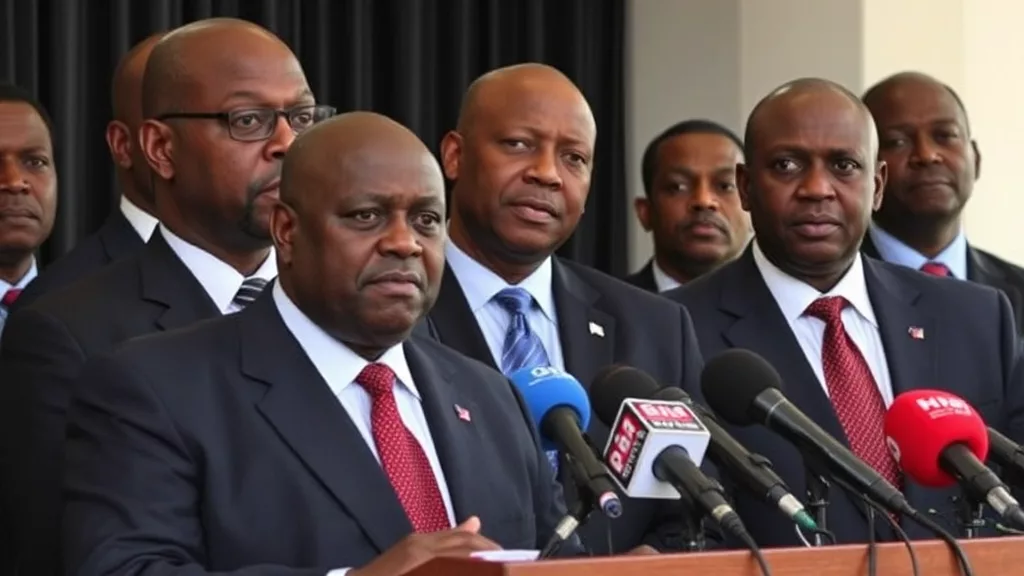
Kenya's fragmented opposition landscape took a definitive step toward consolidation on 28 June when the Registrar of Political Parties issued a certificate of registration to Umoja wa Kenya — a new political party formed by the broad opposition alliance that has spent the past 18 months attempting to forge a unified vehicle capable of defeating President William Ruto in the August 2027 general election.
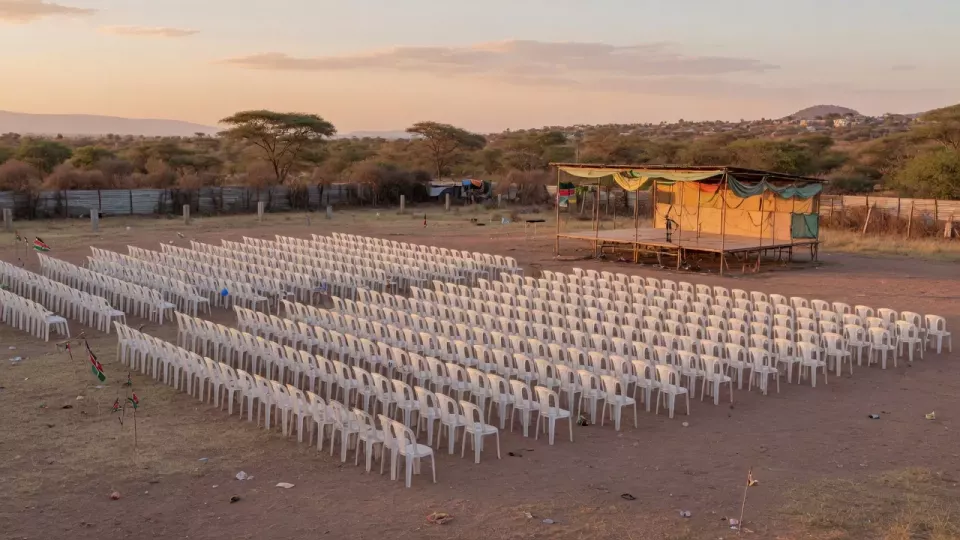
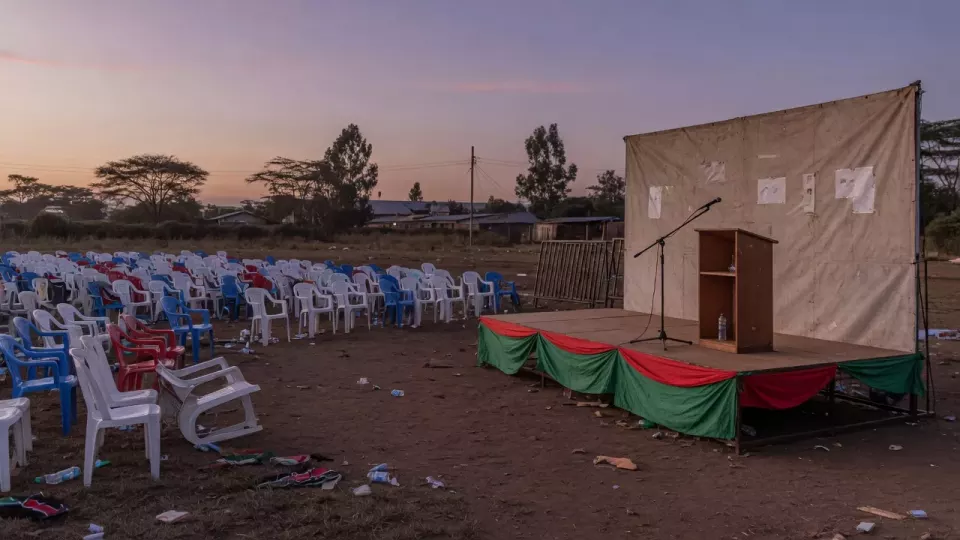
The registration, which followed a prolonged internal negotiation over governance structures, candidate nomination rules, and the allocation of party leadership positions among constituent factions, was greeted with a rally at Uhuru Park in Nairobi attended by senior figures from across the alliance — including former Prime Minister Raila Odinga, Wiper's Kalonzo Musyoka, former Deputy President Rigathi Gachagua, and a delegation representing the Mombasa-based coastal political networks previously aligned with the Kilifi kingpin Aisha Jumwa.
The Alliance's Unlikely Architecture
What makes Umoja wa Kenya politically significant — and analytically interesting — is the range of interests it has managed to house under a single registration. The core of the alliance is the Azimio la Umoja coalition that ran Raila Odinga in the 2022 presidential election. Joined to that core are the political networks of Gachagua, whose acrimonious impeachment as Deputy President in October 2024 transformed him from Ruto's closest political partner into his most consequential internal enemy, bringing with him substantial influence across the Mt Kenya region.
The alliance also includes a significant faction of former Kenya Kwanza members of Parliament from the Rift Valley who have grown disillusioned with what they describe as Ruto's centralisation of decision-making, and a loosely organised bloc of Gen Z civil society leaders who have declined to formally align with the party's founding structures but have agreed to support its candidate in 2027 if certain policy commitments — including repeal of the housing levy, reform of the SHA co-payment structure, and establishment of an independent police oversight body — are incorporated into the party's manifesto.
Party National Chairman James Orengo, the Siaya Senator and veteran of multiple opposition formations, acknowledged at the registration ceremony that holding the alliance together would require continuous political management. "We are not a natural alliance. We are a necessary alliance," he said. "The only thing that unites every one of us is the conviction that Kenya deserves better governance than it is receiving."
The Presidential Candidate Question
The most consequential — and as yet unresolved — question hanging over Umoja wa Kenya is who will carry the party's presidential nomination. Raila Odinga, who has contested the presidency four times and lost on each occasion, has not ruled out a fifth attempt, though associates say his appetite for another gruelling national campaign following his unsuccessful bid to lead the African Union Commission is uncertain.
Kalonzo Musyoka has declared his candidacy explicitly, positioning himself as the alliance's consensus choice and arguing that the two previous Raila candidacies had maximised his support ceiling without breaking through. Gachagua's camp has been deliberately ambiguous, with some of his lieutenants floating his own presidential ambitions while others suggest he would settle for the deputy presidential nomination on a Kalonzo or Raila ticket — a position that would restore him to the proximity to power from which he was so dramatically removed.
The party's constitution requires a competitive nomination process, with delegates from the 47 counties casting votes at a national delegates' conference scheduled for January 2027. Political analysts say that conference will be the true test of the alliance's cohesion — and that several of its current members are likely to exit if their preferred candidate is not selected.
What Ruto's Camp Is Watching
State House has watched the registration with conspicuous public calm. Deputy President Kithure Kindiki told journalists last week that the ruling United Democratic Alliance (UDA) was "focused on delivering for Kenyans, not on watching what the opposition does in its press conferences." The messaging is calibrated: appearing rattled by the Umoja wa Kenya registration would confer on it a significance the government prefers not to acknowledge.
Privately, however, Ruto's strategists are understood to be concerned specifically about the Gachagua factor. The former Deputy President retains a genuine and energised political base in the Mt Kenya region — the vote-rich counties of Nyeri, Kirinyaga, Murang'a, and Embu — without which Ruto's 2022 coalition is mathematically precarious. Any credible polling that shows Gachagua successfully peeling that constituency away from UDA will alter the political calculus significantly.
With 13 months remaining before the Independent Electoral and Boundaries Commission opens voter registration for the 2027 cycle, Kenya's political landscape is taking the shape it will carry into the campaign. The question of whether Umoja wa Kenya's unity is durable enough to survive the pressures of a competitive nomination race and an incumbent with significant state resources at his disposal will define the country's politics through the months ahead.