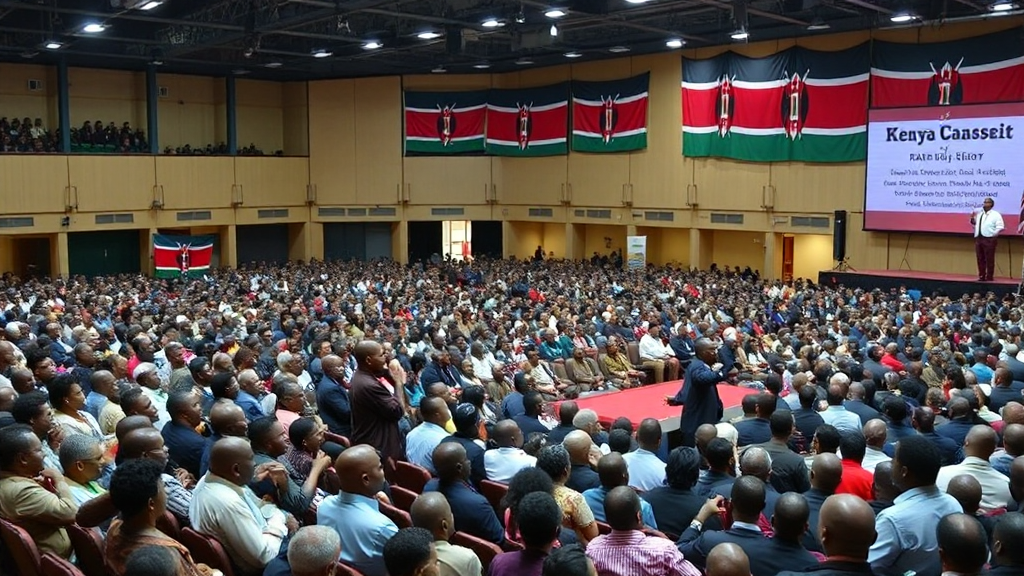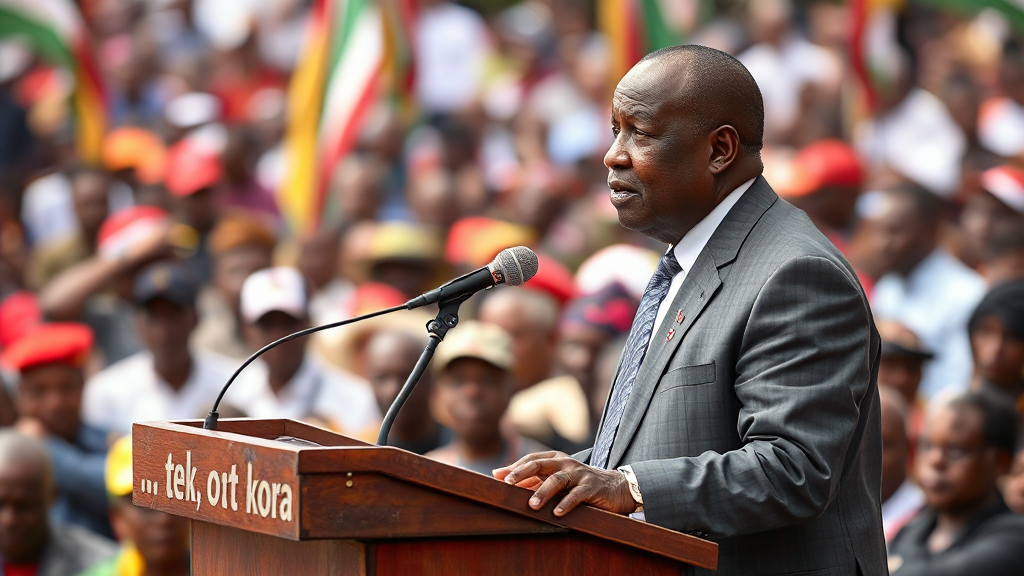
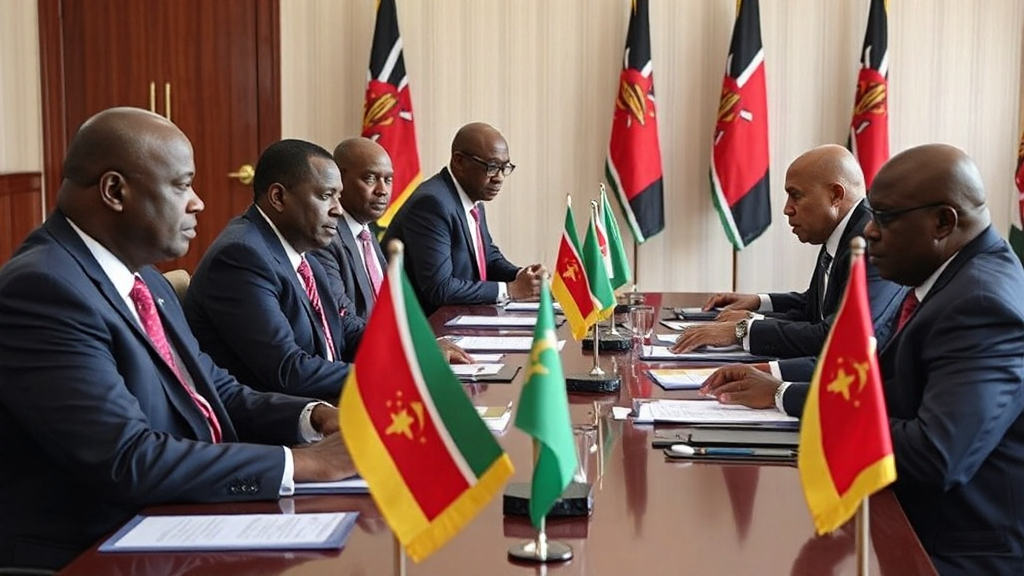
The Council of Governors convened an emergency plenary in Naivasha on Wednesday and issued its most aggressive budget demand to date, calling on the National Treasury to allocate at least Ksh 400 billion to county governments in the 2027/28 financial year, up from the Ksh 385 billion approved for the current cycle.
The demand, contained in a detailed memorandum forwarded to Treasury Cabinet Secretary John Mbadi and the Controller of Budget, argues that anything below Ksh 400 billion would force counties to implement painful cuts to health services, roads maintenance, and agricultural extension — the three pillars of devolution most felt by ordinary Kenyans.
Healthcare Crisis at the Centre
Governors singled out the transition to the Social Health Authority as a principal driver of their budget request. Under SHA, counties are responsible for facility-level service delivery while reimbursements from the national authority have, in numerous cases, arrived months late. Murang’a Governor Irungu Kang’ata, chairing the plenary, said counties had collectively absorbed an unfunded SHA mandate worth approximately Ksh 28 billion in the past 18 months.
“We are not asking for more money to build governor’s residences. We are asking for the money the Constitution already promises us, because right now nurses are going unpaid, hospitals are running out of gloves and sutures, and patients are suffering,” Governor Kang’ata said.
The governors also pointed to a specific grievance: the conditional grant for Level 4 and Level 5 hospitals, which was cut by 14 per cent in the current budget as part of the government’s IMF programme commitments. Restoring that grant alone would require an additional Ksh 11.6 billion.
Roads, Climate, and the El Nino Deficit
Beyond health, the governors’ memorandum dedicates considerable space to infrastructure repair. The 2023-2024 El Nino rains caused catastrophic damage to county roads, with the Kenya National Highways Authority estimating that 34,000 kilometres of county roads were either damaged or rendered impassable. Treasury disbursed only Ksh 9.4 billion for emergency repairs against a documented need of Ksh 52 billion.
Kitui Governor Julius Malombe, speaking on behalf of arid and semi-arid counties, noted that climate adaptation had become an unavoidable recurrent expenditure item. “Every year we budget for drought response. Every other year we budget for flood recovery. We cannot do both on allocations that have not kept pace with inflation since 2019,” Governor Malombe said.
The governors also demanded the Treasury clear a Ksh 14.2 billion backlog in equalisation fund disbursements owed to marginalised counties under Article 204 of the Constitution. The equalisation fund, chronically underfunded, has been a source of contention between national and county governments for over a decade.
Treasury’s Position and Political Undercurrents
Treasury insiders, speaking on condition of anonymity, acknowledged the legitimacy of several governors’ complaints but said the Ksh 400 billion figure was unlikely to survive the medium-term expenditure framework process without significant domestic revenue improvement by KRA. The Kenya Revenue Authority collected Ksh 2.17 trillion in the 2025/26 fiscal year, falling short of its Ksh 2.4 trillion target.
Analysts at Cytonn Investments noted that the governors’ demand carries obvious political weight as the country approaches 2027. “You have 47 governors, most of whom are eyeing either Senate seats or a second gubernatorial term. A united stand on budget allocation is also a show of political muscle,” said Cytonn Research Analyst Angela Mwangi.
The Inter-Governmental Budget and Economic Council is scheduled to convene in August to formalise preliminary budget ceilings, and it is there that the governors’ demand will either be accommodated or revised downward. A parallel petition has been filed with the Senate Budget Committee, which has invited public submissions through 15th August 2026.