Ol Kalou By-Election a Victory for Voters Who Defied Bribery and Intimidation
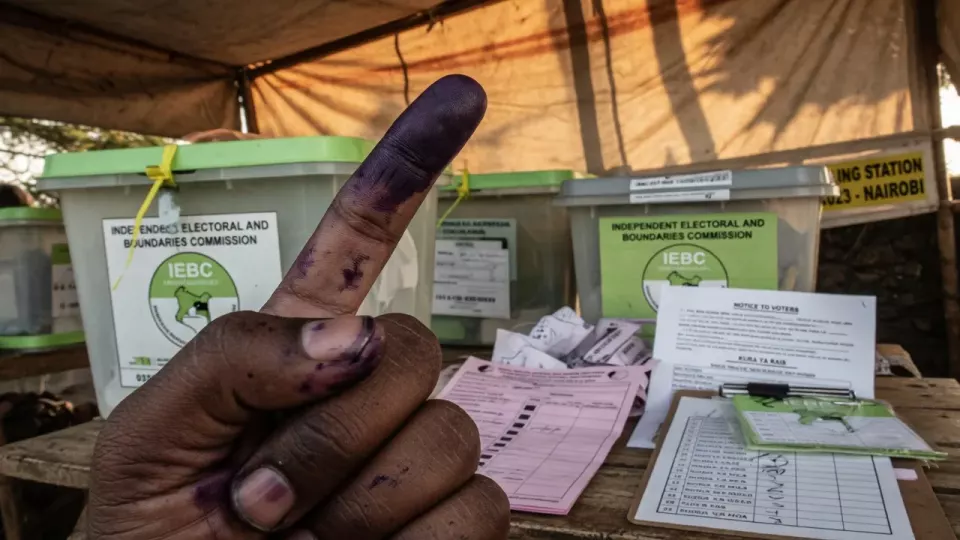
The Ol Kalou parliamentary by-election, held on July 16, 2026 in Nyandarua County, has drawn attention to both the vulnerabilities and the resilience of Kenya’s democratic process. In an editorial published after the results were declared, Nation.Africa described the outcome as a great victory for voters, arguing that ordinary citizens had defied reported violence, bribery, intimidation and extortion to deliver a clear electoral verdict.
Key points
- Nation.Africa editorial called Ol Kalou by-election a victory for voters who reportedly defied bribery and intimidation.
- DCP's Douglas Kamau Waweru won with 35,440 votes against UDA's approximately 5,460, a margin of nearly 30,000.
- About 57% of 73,480 registered voters turned out despite a reported climate of intimidation during the campaign.
- Human rights organisations documented alleged voter bribery and other misconduct during the Ol Kalou campaign period.
A Landslide Result Amid Reported Disorder
The Independent Electoral and Boundaries Commission (IEBC) declared Democracy for Citizens Party (DCP) candidate Douglas Kamau Waweru the winner with 35,440 votes, against UDA’s Samuel Muchina Nyagah, who polled approximately 5,460 — a margin of nearly 30,000 in a constituency of 73,480 registered voters. Around 57 per cent of those registered turned out to vote, a figure election observers noted was significant given the reported climate of intimidation during the campaign period.
The campaign itself had been troubled. Human rights organisations and election monitors documented alleged incidents of voter bribery, destruction of campaign materials and deployment of hired gangs. The IEBC publicly warned it might postpone the election if the reported violence did not stop. On polling day, hooded gunmen travelling in unmarked vehicles were reported to have attacked voters, journalists and political supporters near polling stations, while security forces deployed teargas to disperse crowds at several locations.
The Death That Shadowed the Vote
The most serious incident involved the reported death of James Muigai Mwathi, aged 30, from injuries allegedly sustained in confrontations with armed security personnel. The Nation.Africa editorial acknowledged the gravity of this outcome, noting that the loss of life represented a direct threat to the people’s constitutional right to freely and fairly elect their leaders. Interior Cabinet Secretary Kipchumba Murkomen subsequently ordered investigations into the conduct of security officers involved. The allegations of what the winning candidate himself publicly described as “police goonism” remain under official scrutiny.
What the Verdict Means for Kenyan Democracy
Despite these reported challenges, the Nation.Africa editorial contended that voters ultimately took ownership of the process. It cited accounts of citizens standing guard at polling stations, documenting each stage of the count and physically escorting ballot boxes — conduct the editorial presented as evidence that Kenyans can and do defend their vote when they choose to. The editorial’s broader argument is that financial inducements and coercive pressure, while real, cannot override a determined electorate.
The political dimensions of the result extend well beyond Nyandarua County. DCP leader and former Deputy President Rigathi Gachagua hailed the outcome as a historic milestone for his party, while President William Ruto’s UDA conceded defeat and called for national unity. Analysts have pointed to the result as an early signal of shifting political alignments in the Mt Kenya region ahead of the 2027 General Election, and as a reminder that even a constituency-level contest can carry consequences that reverberate across the country’s broader political landscape.
Sources: Nation.Africa.