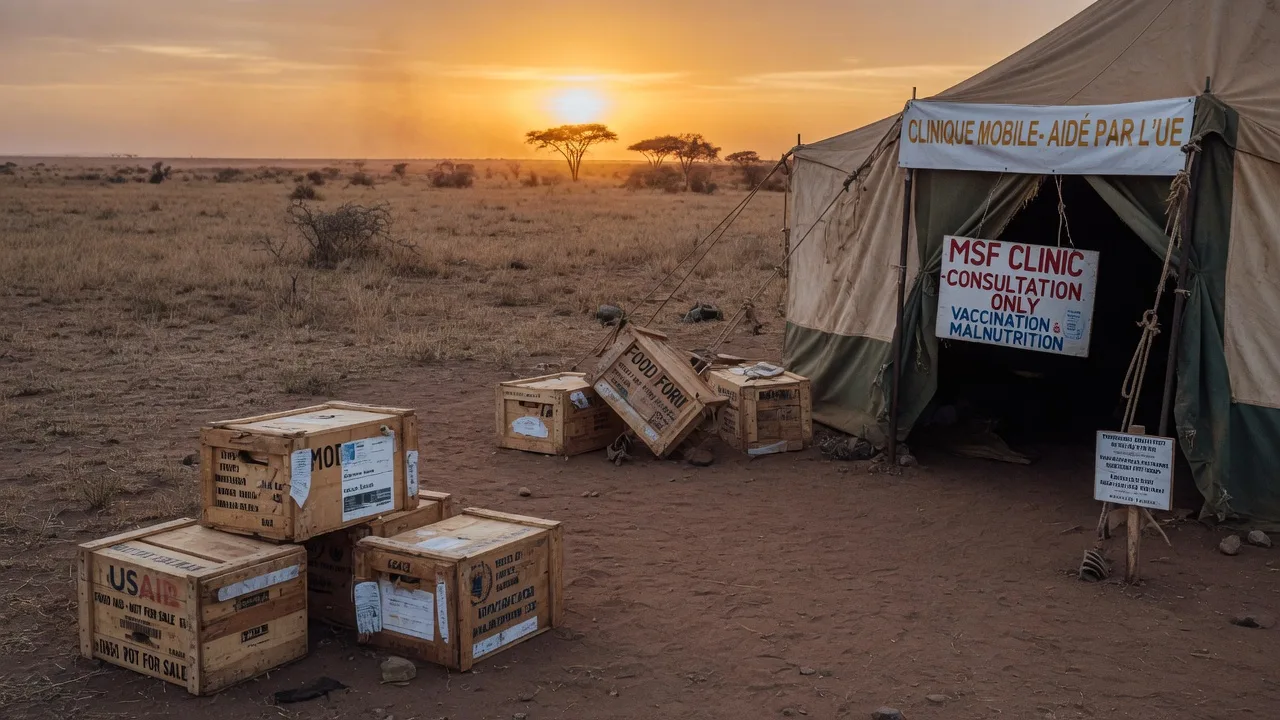
Djibouti's Hunger Crisis Deepens: 256,000 People Now Face Acute Food Insecurity
More than 256,000 people in Djibouti — roughly a quarter of the country's estimated one million residents — are experiencing crisis or emergency levels of acute food insecurity, according to the latest assessment by the Integrated Food Security Phase Classification (IPC), a UN-backed global food monitoring network. The figure, disclosed in a report published on 17 July 2026, represents a sharp deterioration from the previous analytical period and has prompted an emergency alert from humanitarian analysts.
Key points
- IPC assessment classifies 256,000 people — roughly a quarter of Djibouti's population — at crisis or emergency hunger levels.
- The figure rose sharply from 194,000 people (17% of the population) recorded in the May–June 2025 assessment.
- Djibouti imports about 90% of its food, leaving it acutely exposed to price volatility and trade disruptions.
- The IPC report was published on 17 July 2026 and prompted an emergency alert from humanitarian analysts.
A Crisis Accelerating
The IPC's findings underscore a troubling upward trend in one of East Africa's most food-import-dependent nations. Djibouti relies on external supplies for an estimated 90 per cent of its food needs, leaving the country acutely exposed to international price volatility, disrupted trade corridors, and climate extremes. The latest data shows the number of acutely food-insecure people has climbed significantly — up from 194,000 people, or 17 per cent of the analysed population, recorded during the May to June 2025 assessment period, when 44,000 of those were already classified in the Emergency tier, IPC Phase 4.
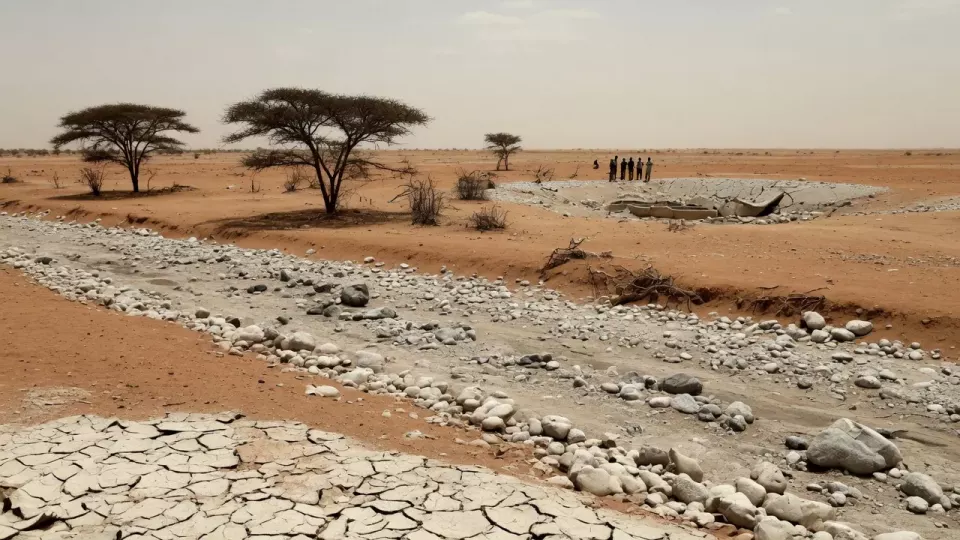
Analysts point to a convergence of pressures driving the deterioration. El Niño-linked climate disruptions have brought erratic and insufficient seasonal rains, driving pasture loss and sharp reductions in livestock productivity. Extreme temperatures have compounded the damage, further undermining rural livelihoods. At the same time, food prices have remained elevated, eroding the purchasing power of already vulnerable households, while geopolitical tensions in the wider region have disrupted trade routes through the Bab-el-Mandeb Strait — a critical artery for Djibouti's imports — squeezing supply volumes and raising costs.
Refugee Camps Among the Hardest Hit
The humanitarian outlook is especially grim for Djibouti's refugee population. In the Ali Addeh and Holl-Holl camps, nearly 70 per cent of residents — more than 21,000 people — have been classified at IPC Phase 3 (Crisis) or above. Aid-dependent and with few alternative coping mechanisms, these households are among the most exposed to any reduction in food assistance flows.
The IPC's analysis drew a stark conclusion: "Urgent actions are more than necessary to reduce consumption deficits and vulnerability and strengthen the resilience of affected households to prevent their food situation from shifting to higher levels of severe hunger," the report stated.
Six Months of Heightened Risk Ahead
The assessment carries projections for the coming six months, a period that encompasses the lean season when food stress in the Horn of Africa typically intensifies. With no significant easing of underlying structural vulnerabilities in prospect — and climate and economic shocks expected to persist — humanitarian analysts warn that without substantially scaled-up intervention, Djibouti's food security situation risks deteriorating further across communities already pushed to the edge.
For a small, strategically positioned nation of approximately one million people, the crisis reflects the compounding toll that climatic disruption, import dependency, and regional instability continue to exact on the Horn of Africa's most vulnerable populations.
Sources: Eastleigh Voice.