Somalia Hunger Crisis Deepens as Severe Child Malnutrition Surges Amid Aid Cuts
Key points:
- Reports in late July 2026 flag a major jump in severe child malnutrition across parts of Somalia.
- Agencies link the crisis to climate shocks, insecurity and shrinking humanitarian budgets.
- Kenya remains a key logistics and refugee-host neighbour watching the spillover risk.
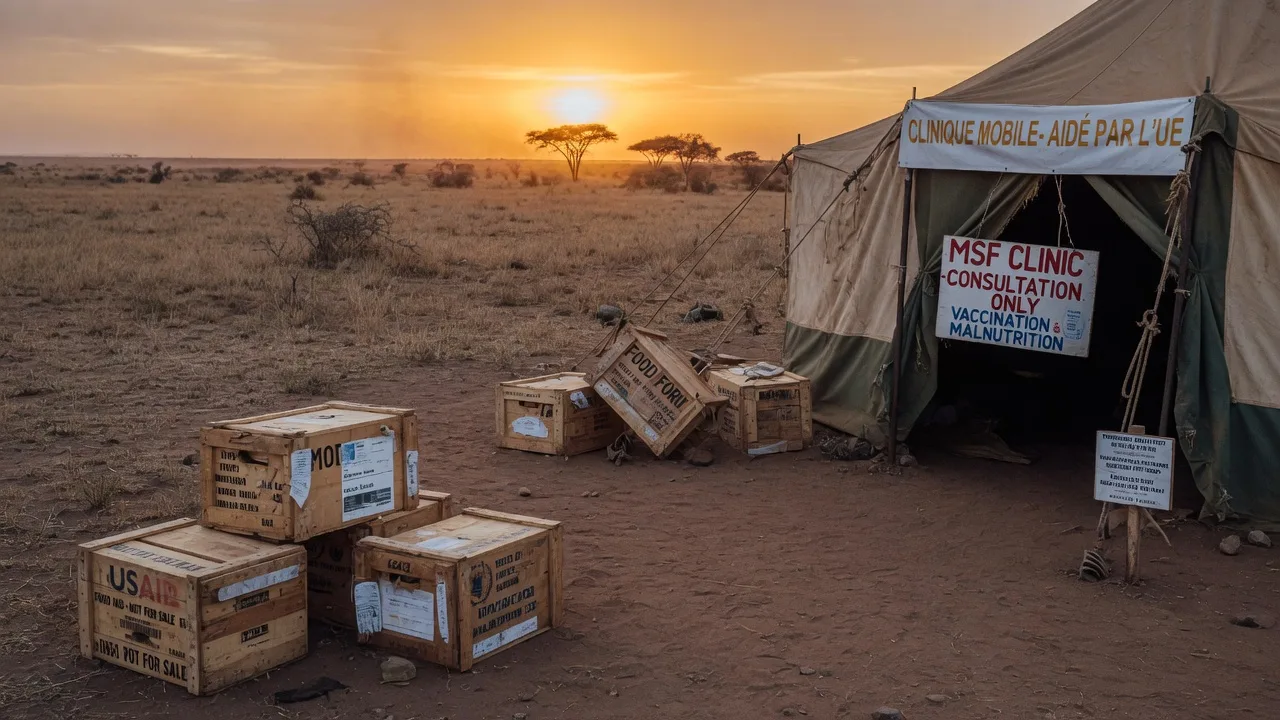
Somalia’s hunger emergency is worsening again, with humanitarian monitors reporting a steep increase in severe acute malnutrition among children as aid budgets fail to keep pace with need.
Clustered reporting from Eastleigh Voice and partner wires in late July 2026 described severe child malnutrition rising on the order of about 41 per cent in hard-hit areas, alongside warnings that clinics and feeding programmes are stretched. Exact district tallies vary by agency dataset, but the direction of travel is consistent: more children presenting with life-threatening wasting while pipeline funding tightens.
Drivers of the spike
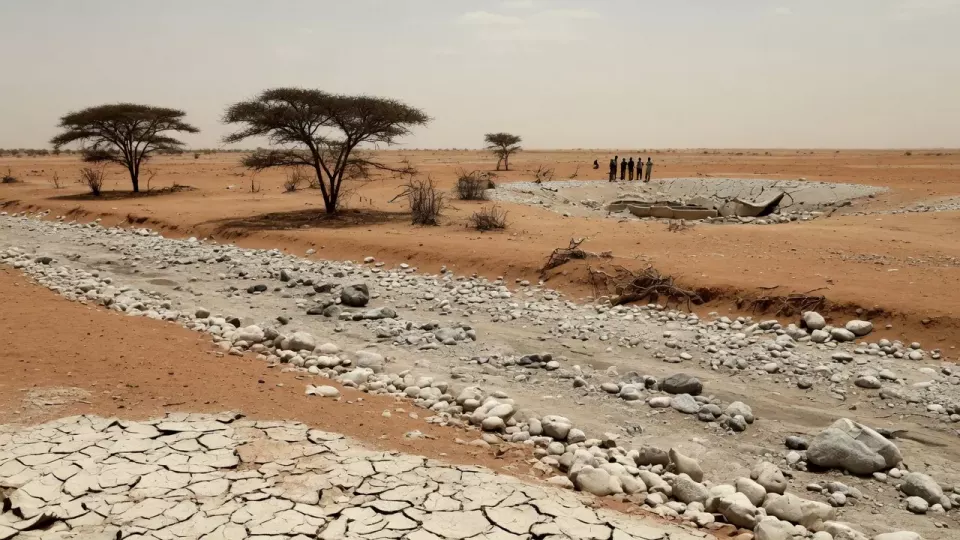
Somalia’s food crises rarely have a single cause. Poor rains and flood-drought swings still disrupt pastoral livelihoods; armed conflict and access constraints block markets and aid corridors; and global humanitarian budgets have been cut or redirected, forcing agencies to prioritise only the most critical caseloads. When those pressures overlap, children under five are the first to show up in severe acute malnutrition wards.
Health workers typically respond with ready-to-use therapeutic foods, stabilisation centres for complicated cases, and measles and cholera controls that travel with malnutrition outbreaks. Those tools only work when supplies and staff are funded months ahead—exactly what delayed donor disbursements undermine.
Why it matters in Nairobi
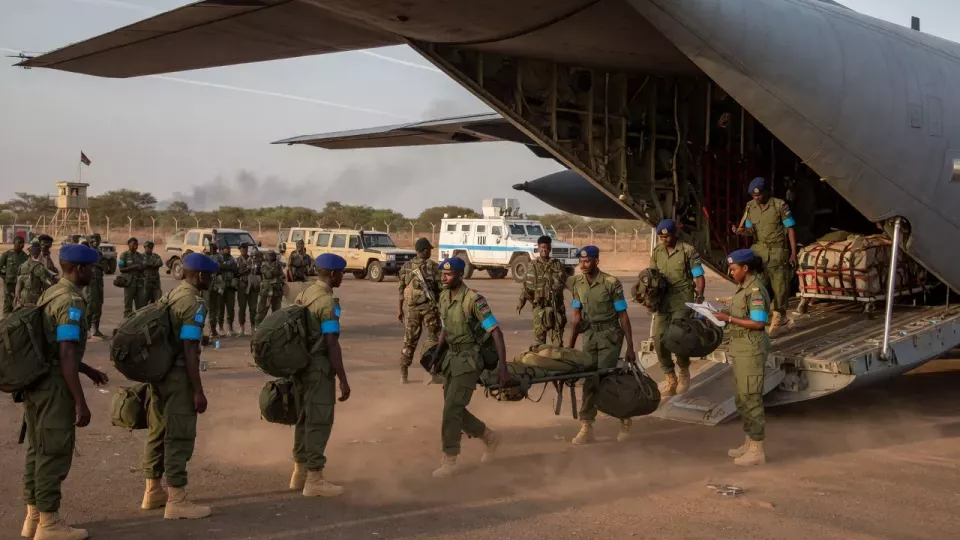
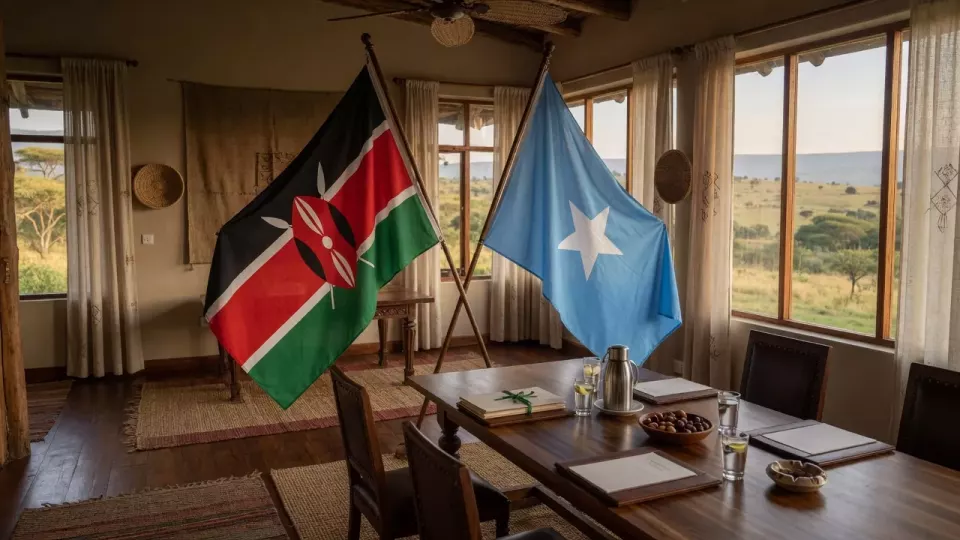
Kenya is both a diplomatic neighbour and a logistics hub for Somalia operations. Spikes in Somali hunger historically raise refugee and cross-border health pressures, and they test regional solidarity at a time when Kenyan counties are also managing climate-related food stress. Humanitarian desks in Nairobi often coordinate airlifts, warehousing and technical support even when the worst caseloads sit across the border.
Agencies continue to appeal for flexible funding and safer access. Until rains, security and budgets improve together, the risk is a silent rise in child deaths that never makes the political front pages until case fatality numbers force attention.
Sources: Eastleigh Voice cluster reporting and humanitarian agency updates summarised late July 2026. Figures should be read as agency estimates subject to revision.