Mombasa Assembly gives executive 60 days to report on county fumigation plan

Key points
- Mombasa MCAs approved a countywide fumigation and vector-control motion targeting mosquito-borne disease.
- The County Executive has 60 days to report implementation progress to the Assembly.
- Motion movers: Mikindani MCA Jactone Madialo; seconder Junda MCA Frankline Makanga.
- Priority sites include homes, schools, clinics, markets, drains and dumps; Treasury urged to fund the plan.
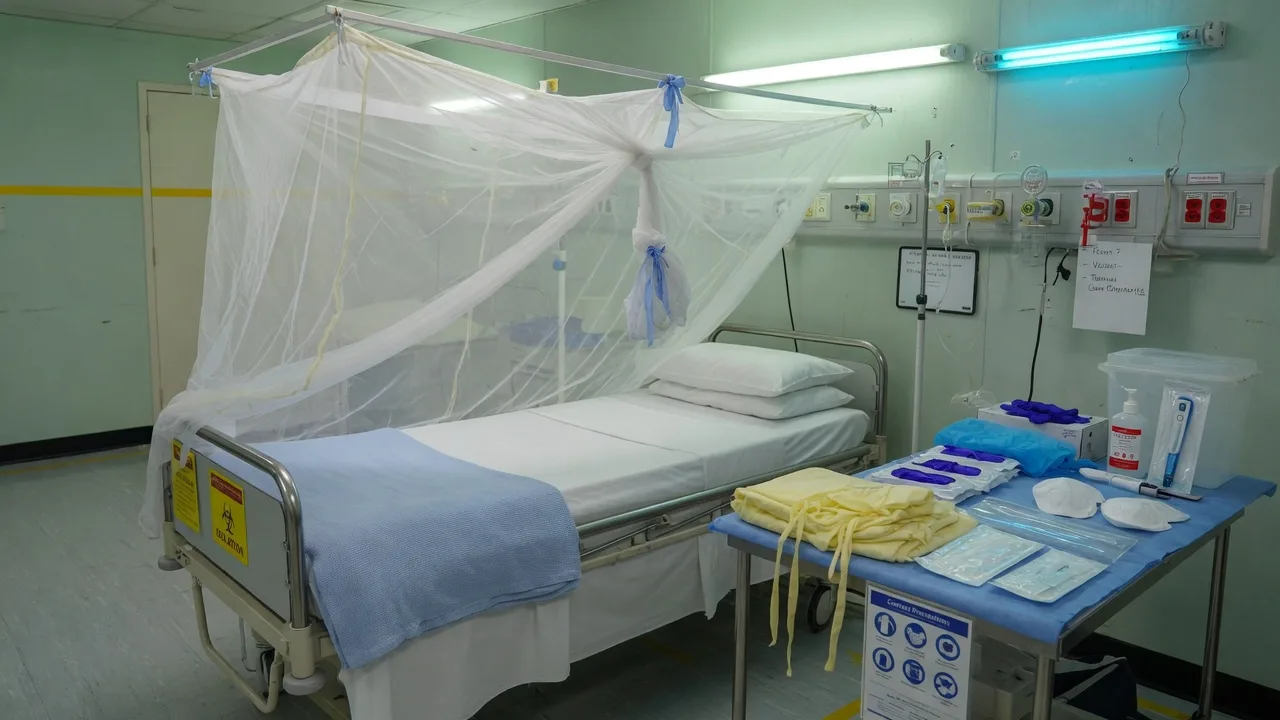
Sixty days on the clock: Mombasa’s County Assembly has ordered the executive to report on a proposed countywide fumigation and vector-control programme after MCAs adopted a motion aimed at malaria, dengue, chikungunya and other mosquito-borne risks, Eastleigh Voice reported.
Mikindani Ward MCA Jactone Madialo moved the motion; Junda Ward MCA Frankline Makanga seconded. The ask is not a single fogging day. Members want regular ward-level fumigation plus clean-ups, drain maintenance and public awareness so breeding sites do not simply refill after the chemical trucks leave.
Where the Assembly wants the spray and the money
Priority locations listed in coverage include residential areas, schools, health facilities, markets, drainage systems and dumpsites — the classic coastal mix of standing water and dense foot traffic. The Assembly also urged the County Treasury to put real budget behind the programme rather than treating it as an unfunded resolution.
The County Executive Committee Member for Health, working with Environment and Solid Waste Management, must table a status report within 60 days. That paper should show procurement, ward rosters, chemical stocks and monitoring — not only intent language.
What residents can demand at day 60
Ward forums should ask for maps of sprayed streets, complaint hotlines for missed dumps, and clinic trend lines on malaria and dengue. Without those, fumigation becomes seasonal theatre. Coastal counties live or die on drainage as much as on insecticide.
Health desk: Health. Verified: 60-day reporting order, movers’ names, multi-disease framing, priority site list, Health–Environment joint report duty. Spray calendars will be the proof of execution.
Ward administrators can attach photo logs of breeding sites cleared each week so the 60-day Assembly report is evidence-based rather than a narrative memo.
Based on Eastleigh Voice reporting of the Mombasa County Assembly motion. Assembly Hansard and executive reports control final obligations.