Heat-stable injection push gives Kenyan mothers a better shot at surviving childbirth
Key points
- Clinical programme voices say providers quickly embraced a heat-stable injection for childbirth safety.
- Heat stability reduces dependence on fragile cold chains in lower-level facilities.
- PPH and related obstetric emergencies still need skilled staff, blood and referral transport.
- National scale requires supply security, training and outcome monitoring — not only pilots.
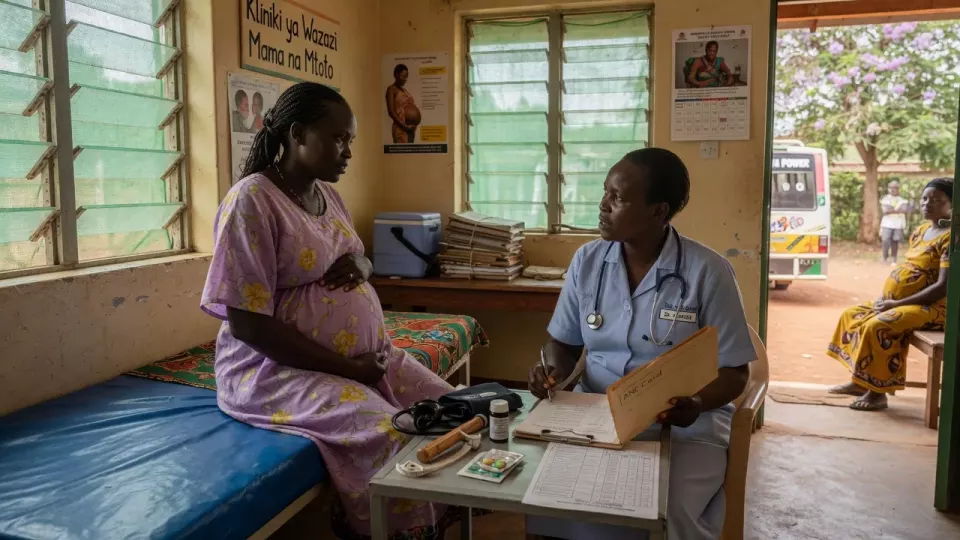
A fridge that dies at midnight should not decide whether a mother lives. Eastleigh Voice reports on how one injection is giving mothers a better chance to survive childbirth in Kenya, with Dr Polycarp Oyoo of the Institute for Clinical Research (ICRHK) noting that healthcare providers quickly embraced heat-stable options suited to real clinic conditions.
Obstetric drugs that tolerate heat expand the map of safe delivery beyond referral hospitals with perfect cold rooms. That is equity science: the same molecule, fewer logistical excuses, more facilities that can act in the golden minutes after birth when bleeding starts.
Injection is not a full maternity system
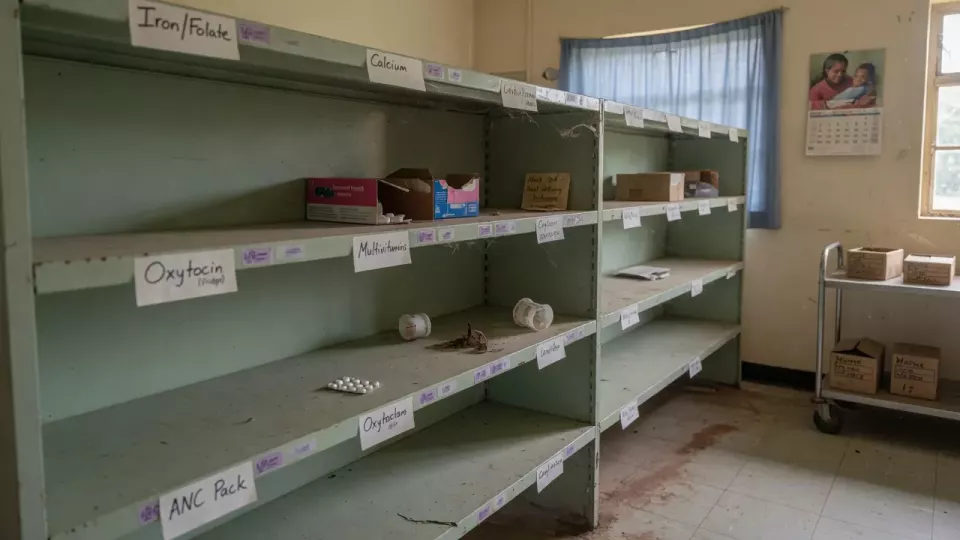
Drugs fail when no one is trained to recognise shock, when there is no IV line, when the ambulance has no fuel, when theatre lights die. Heat-stable tools must ride with mentorship, emergency obstetric drills, and blood availability. Otherwise we celebrate a vial while the referral road still kills.
Counties should track stockouts weekly and publish which facilities have trained staff on the protocol. Community health promoters can reinforce birth preparedness without replacing facility delivery messaging.
Policy and procurement
KEMSA and county pharmacists need multi-year forecasts so heat-stable products do not become a pilot novelty that vanishes after a donor year. SHA packaging should recognise emergency obstetric bundles so facilities are not forced to choose between debt and a dying patient. Related maternal innovation, including digital booklet upgrades, sits on the same health continuum.
Research partners must keep pharmacovigilance honest: report adverse events, counterfeits, and storage abuses that invent a false “heat-stable” story for ordinary stock.
What mothers should demand
Skilled birth attendance, a clear emergency plan, and facilities that can name their PPH protocol. Technology and molecules are allies; accountability is the operating system.
Midwifery associations should be co-owners of rollout training so the injection protocol is not another top-down circular. Facilities without electricity need light and water upgrades in the same budget conversation as drugs — heat-stable chemistry cannot fix a dark labour ward alone.
Based on Eastleigh Voice reporting on heat-stable injection use in Kenyan childbirth care and ICRHK programme comments. Clinical protocols follow MoH guidance; this is not medical advice.