Mombasa Drug Trafficking Ring Dismantled, 12 Suspects Arrested with Sh800m Haul
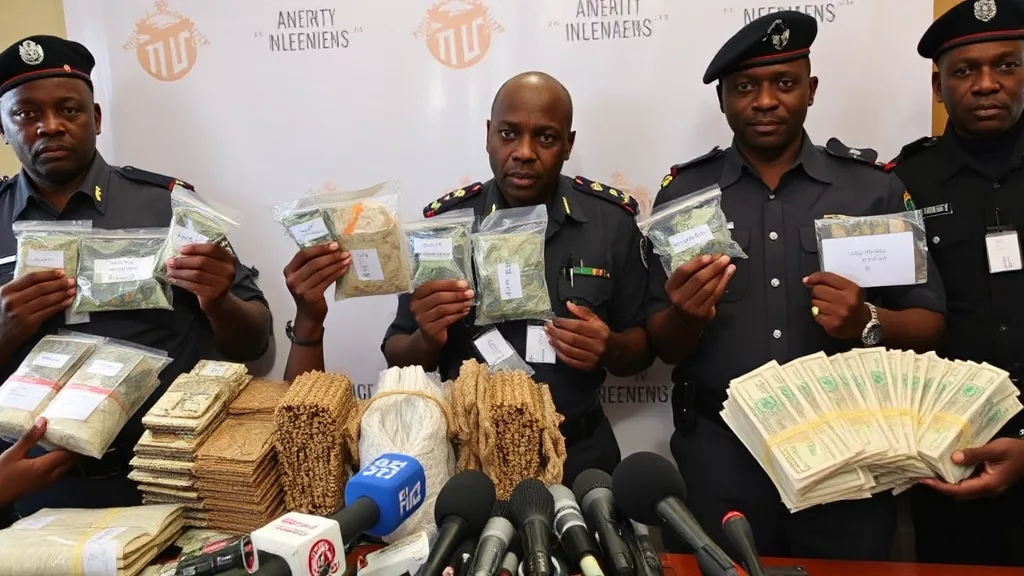
Anti-narcotics detectives from the Directorate of Criminal Investigations, operating in conjunction with the Kenya Coast Guard and the National Intelligence Service, have dismantled one of the most sophisticated drug trafficking networks ever uncovered at the Kenyan coast, arresting twelve suspects and seizing narcotics with an estimated street value of Sh800 million.
The three-week undercover operation, codenamed Operation Bahari Safi — Swahili for Clean Ocean — culminated in a series of coordinated raids across Mombasa, Kilifi and Kwale counties on the night of 27 June, deploying over 200 officers. Among those arrested are two Tanzanian nationals, a Pakistani-Kenyan dual citizen, and nine Kenyan citizens, including a former customs official at the Port of Mombasa.
Scale of the Haul
Seized at three separate warehouses — two in Mombasa's Shimanzi industrial area and one in Kilifi — were 48 kilogrammes of heroin, 22 kilogrammes of cocaine, 14 kilogrammes of methamphetamine, and approximately 600 kilogrammes of bhang with an estimated street value of Sh800 million in total. Investigators also recovered Sh12 million in cash, three high-specification speedboats, and encrypted communication equipment linked to networks operating across the Western Indian Ocean rim.
DCI Director Mohamed Amin said preliminary forensic analysis suggested the heroin had transited through Pakistan and Iran before entering Kenyan waters through unmonitored dhow routes north of Lamu. "We believe this network had been operating for at least four years," he said at a press conference in Nairobi on Thursday. "The scale and sophistication of their logistics — including the use of multiple switching points and encrypted devices — indicates serious transnational criminal investment."
The arrest of the former customs official, whom the DCI declined to name pending formal charging, has prompted an internal review at the Kenya Revenue Authority, which has been under intense scrutiny over port integrity as the Ruto administration pushes to meet IMF targets on customs revenue collection. KRA Commissioner-General Humphrey Wattanga confirmed the review but declined to comment on the individual case.
The Mombasa Corridor Under Pressure
Kenya's coast has long been identified by the United Nations Office on Drugs and Crime as a key transit point for heroin flowing from Afghanistan and Pakistan through East Africa toward European markets, with Mombasa's status as the region's busiest port creating inherent vulnerabilities. The 2025 UNODC East Africa Drug Report estimated that approximately four to six tonnes of heroin pass through the region annually, generating criminal revenues that dwarf legitimate sectors in some coastal communities.
Anti-narcotics NGOs operating in Mombasa's Majengo and Kisauni estates — areas long associated with heroin abuse — say the flow of cheap narcotics has devastated a generation. "The drugs that don't make it to Europe stay here and destroy our young people," said Mwanaisha Ali of the Pwani Recovery Network. "We need enforcement at the source, but we also desperately need treatment facilities. Right now there are fewer than 200 funded rehabilitation beds for a coastal population of five million."
Interior Cabinet Secretary Kipchumba Murkomen, who presided over a security briefing following the raids, said the government would be fast-tracking the establishment of a dedicated Maritime Narcotics Interdiction Unit equipped with four new high-speed patrol vessels expected to be commissioned before the end of 2026. He added that Kenya was cooperating with Interpol, the US Drug Enforcement Administration, and the UK's National Crime Agency, all of which contributed intelligence to Operation Bahari Safi.
Prosecution Timeline
The twelve suspects were arraigned at the Mombasa Law Courts on Friday and charged under the Narcotic Drugs and Psychotropic Substances Act. The DPP's office indicated that it would be seeking denial of bail for all twelve on grounds of flight risk, given that several suspects hold dual nationality or have documented travel histories suggesting they could abscond. The case has been assigned to Senior Principal Magistrate Lydia Achode and is expected to go to full trial by October 2026.
Anti-narcotics advocacy groups welcomed the arrests but urged Parliament to urgently review the mandatory minimum sentences under the Narcotic Drugs Act, which critics say have failed to deter kingpins while overwhelming an already overcrowded prison system. The Kenya Prisons Service reported a population of over 60,000 inmates as of June 2026 against a designed capacity of approximately 22,000.