KDF Eliminates Senior Al-Shabaab Commander in Cross-Border Operation
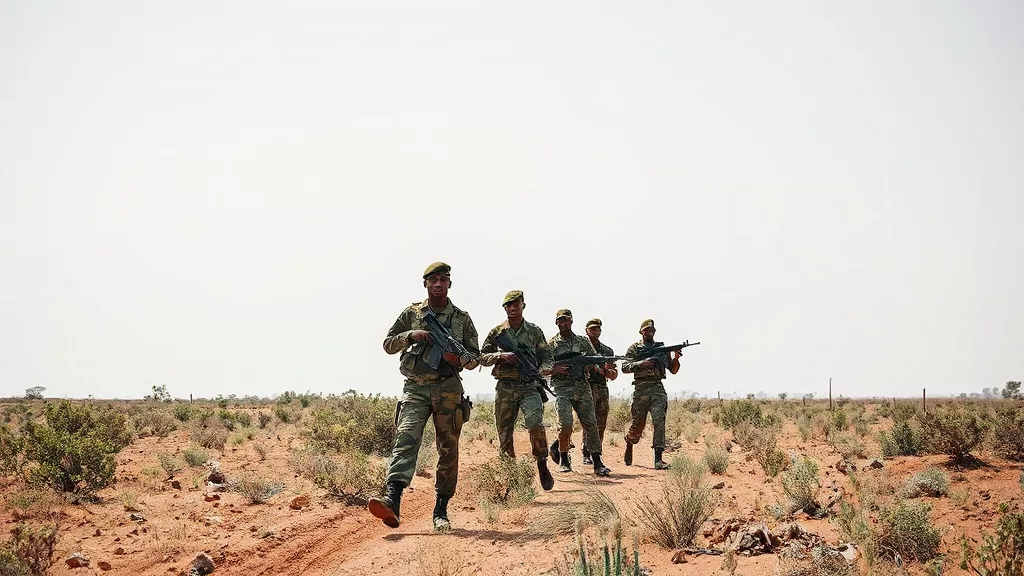
Kenya Defence Forces (KDF) announced on Thursday that a senior Al-Shabaab commander described as the principal orchestrator of cross-border attacks into Mandera and Garissa counties had been killed in a joint operation conducted in coordination with the Somali National Army (SNA) and African Union Transition Mission in Somalia (ATMIS) forces in the Lower Jubba region of southern Somalia.
The operation, which the KDF's Director of Military Operations Brigadier Thomas Nzioka confirmed took place on Tuesday evening, involved air assets and ground units operating across the Kenya-Somalia border zone. Nzioka said the commander, identified as Omar Abdi Hassan — known within Al-Shabaab's operational structure by the nom de guerre Abu Mansur al-Kenyi — had been under sustained surveillance for six months before the strike was authorised.
Who Was Abu Mansur al-Kenyi
According to KDF intelligence assessments shared at a briefing with senior journalists in Nairobi, Abu Mansur al-Kenyi was a Kenyan national originally from Garissa County who had joined Al-Shabaab in 2013 and risen to command the group's North Eastern Kenya Attack Cell, a unit estimated to number between 80 and 120 fighters specialising in IED deployment, ambushes on security personnel and attacks on civilians in rural border communities.
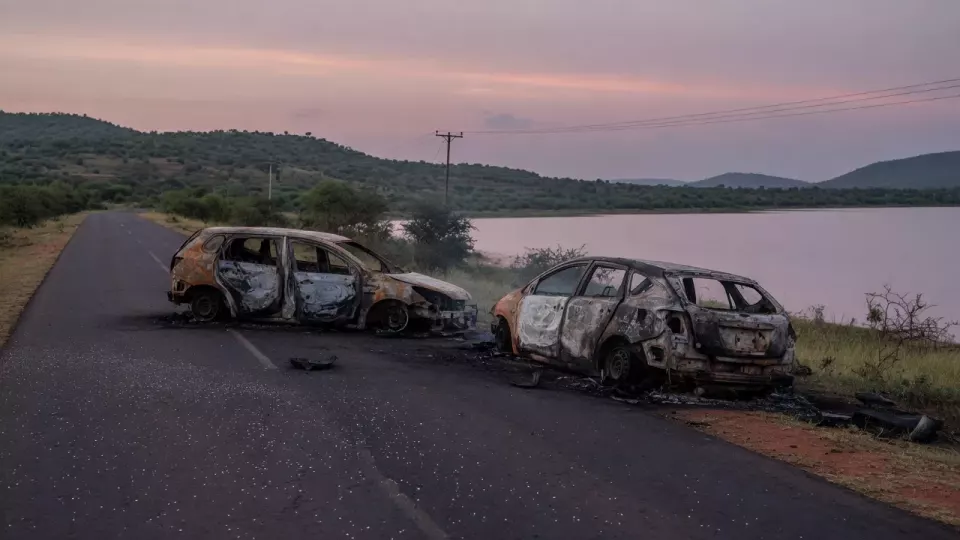
Security officials linked him directly to at least four significant attacks in Kenya since 2021, including a 2023 ambush in Mandera West that killed six General Service Unit officers, a vehicle-borne IED detonation that wounded 11 civilians near Elwak in 2024, and two attacks on school facilities in Garissa that forced the temporary closure of three primary schools.
"The elimination of Abu Mansur al-Kenyi is a significant disruption to Al-Shabaab's operational capacity targeting north-eastern Kenya," Brigadier Nzioka said. "It does not end the threat. It degrades it materially and demonstrates that those who plan and execute attacks against Kenyan civilians and security forces will be found and held accountable."
The Operation in Detail
The operation was triggered by intelligence indicating that a senior Al-Shabaab planning meeting was scheduled at a compound in Dobley, a town in the Lower Jubba region approximately 12 kilometres from the Kenyan border. KDF air assets — Kenya Air Force Huey II helicopters operating with enhanced sensor packages — confirmed the presence of the target and a group of approximately 15 fighters at the location.
Ground units from the SNA's Jubba Valley Alliance, coordinated through the ATMIS joint operations centre in Kismayo and directly supported by a KDF forward advisory team, surrounded the compound before an air strike was authorised. A subsequent ground clearance operation confirmed four fatalities, including Abu Mansur al-Kenyi, identified through biometric data collected during the clearance. Three SNA soldiers sustained minor injuries during the operation.
The National Intelligence Service (NIS) confirmed the identity of the deceased through biometric records and digital device exploitation conducted at the scene. NIS Director General Noordin Haji, in a brief statement, said the operation "underscored the effectiveness of regional intelligence cooperation" and thanked the SNA and ATMIS for their partnership.
Regional Context and Kenya's Security Strategy
The operation comes as Kenya continues to navigate a complex security landscape in its north-eastern borderlands. Al-Shabaab has escalated cross-border activity since the formal drawdown of ATMIS forces began in early 2026, seeking to exploit the transition period before the African Union Support and Stabilization Mission in Somalia (AUSSOM) assumed full responsibilities in March.
Kenya's contribution to regional security extends beyond its own borders. More than 3,800 KDF personnel are deployed under AUSSOM in the Jubba Valley sector, and Kenya has consistently been among the mission's most operationally active troop-contributing countries. In parallel, Kenya's peacekeeping commitments in Haiti — where 1,000 police officers serve under the Multinational Security Support mission — have drawn international attention as a demonstration of the country's expanding role in global peace and security.
Interior Cabinet Secretary Kipchumba Murkomen, speaking at a security briefing in Garissa on Friday, said the national government was simultaneously pursuing military and development strategies in the north-eastern region, acknowledging that security gains could only be sustained through economic inclusion. He pointed to accelerated SGR extension planning for the Isiolo-Moyale corridor and the rollout of the SHA universal health coverage scheme in Garissa, Wajir and Mandera counties as critical elements of a long-term stabilisation approach.
Community leaders in Mandera welcomed the operation's reported outcome but urged the government to ensure that civilian communities in the operational area were not adversely affected. "We need security and we need development arriving together. One without the other does not bring lasting peace," said Mandera County Women's Representative Fatuma Ibrahim in a statement released through her office.