DNA Evidence Central to Murder Conviction of Former KDF Major Who Lured Family to Base
A former Kenya Defence Forces officer has been sentenced to life imprisonment following his conviction on three counts of murder — a case in which DNA evidence played a decisive dual role: first in an earlier children's court paternity dispute, and later to help identify victims recovered from a shallow grave near a military installation.
Key points
- Milimani High Court sentenced a former Kenya Defence Forces major to life imprisonment on July 14, 2026, for three counts of murder.
- Presiding Justice Martin Muya described the killings as 'barbaric' and ruled their premeditated nature left no room for leniency.
- Victims were Joyce Syombua and her two young children, last seen alive at Laikipia Air Base, Nanyuki, in late October 2019.
- DNA evidence was central to the case, used first in an earlier paternity dispute and later to identify bodies from a shallow grave near the base.
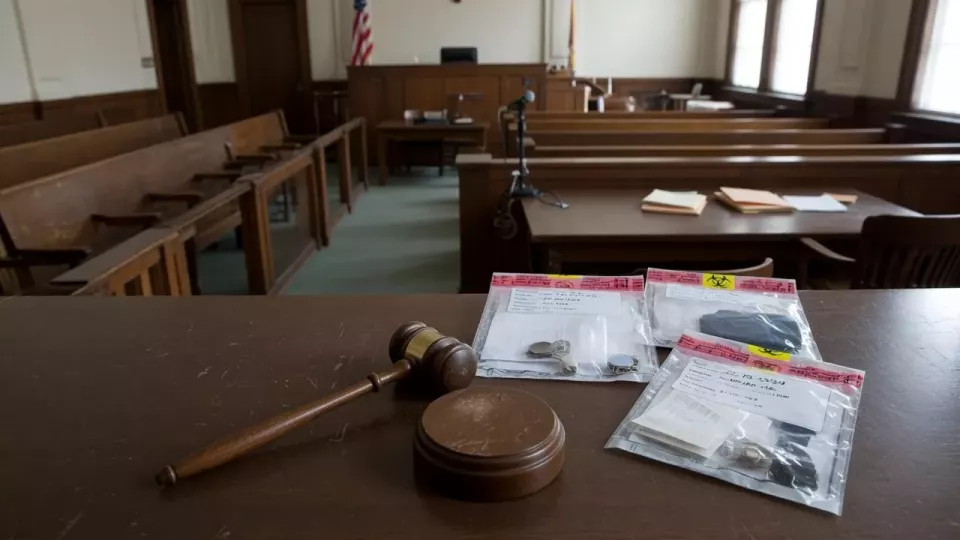
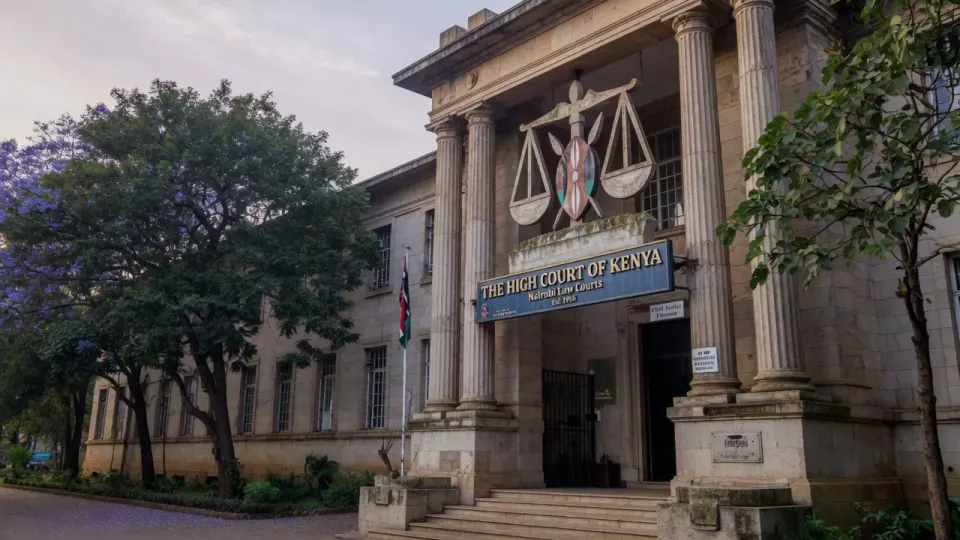
The Milimani High Court handed down the sentence on July 14, 2026. Presiding Justice Martin Muya described the killings as "barbaric" and ruled that their gravity and premeditated nature left no room for leniency. The court found that the prosecution had proved its case beyond reasonable doubt on all three counts.
The case concerns the deaths of Joyce Syombua and her two young children, who were last seen alive at Laikipia Air Base in Nanyuki in late October 2019. According to the prosecution, former Major Peter Mugure had invited the family to the base under the pretext of a family visit. Joyce's mobile phone went silent that same evening. Three weeks later, detectives from the Directorate of Criminal Investigations recovered three bodies from a shallow grave at Thingithu cemetery, located close to the military installation.
At the heart of the case was a protracted legal dispute over paternity. Joyce had for years sought child support from Mugure through the children's courts, while Mugure reportedly maintained doubts about whether he had fathered the children. A witness, Farrizanah Syombua, testified in court that Joyce had confided that Mugure "was always doubtful of the children's parentage." A court-ordered DNA test conducted by the Government Chemist in 2019 returned a result of 99.9 per cent probability that Mugure was the biological father of both children. On August 9, 2019 — weeks before the family disappeared — the Milimani Children's Court ordered him to pay monthly maintenance, rent and school fees for the children. The prosecution presented the conclusion of this long-running dispute, and the financial obligations it imposed, as forming part of the alleged motive for the crimes.
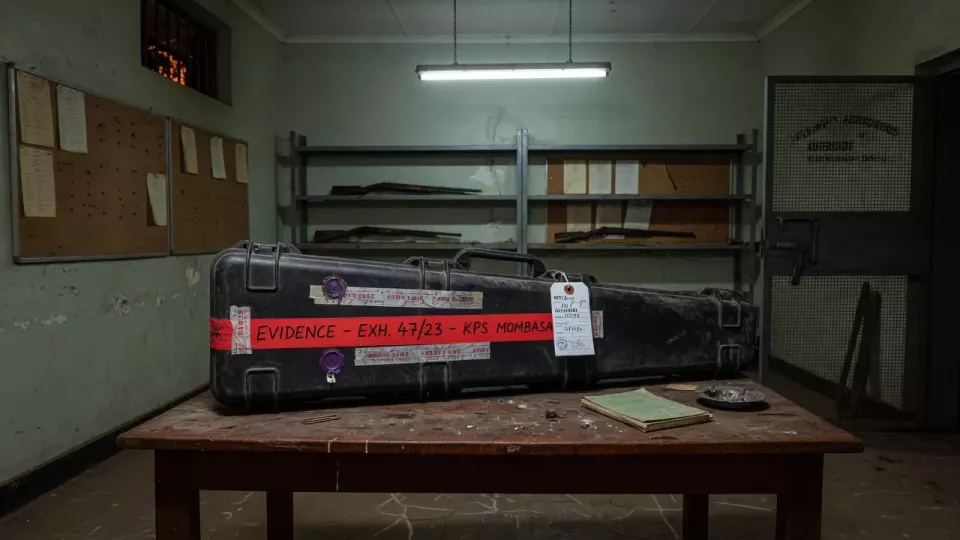
DNA evidence featured again during the murder proceedings themselves, where testing helped confirm that the remains recovered from Thingithu cemetery were those of the three victims. An autopsy by Chief Government Pathologist Dr Johansen Oduor established the cause of death for each victim, with findings the court heard were consistent with deliberate, targeted killings.
The court further heard that Mugure had visited the Thingithu burial site three days before the family travelled to the base — evidence the prosecution presented as indicative of premeditation. A fellow soldier, Collins Pamba, entered a plea bargain with prosecutors and gave testimony the court found critical. Pamba told the court he had assisted in moving and concealing the bodies after the fact. He was sentenced to five years' imprisonment.
Justice Muya, in delivering the life sentence, noted the complete absence of remorse on the part of the convicted man. Mugure had been dismissed from the Kenya Defence Forces during the course of the trial. The case drew sustained public attention across Kenya from the family's disappearance in October 2019 through to the sentencing ruling last week, a span of nearly seven years.
Sources: Nation.Africa.