Kenya's Diaspora Community in the UK Fights for New Dual Citizenship Rights
International

Kenya’s Diaspora Community in the UK Fights for New Dual Citizenship Rights

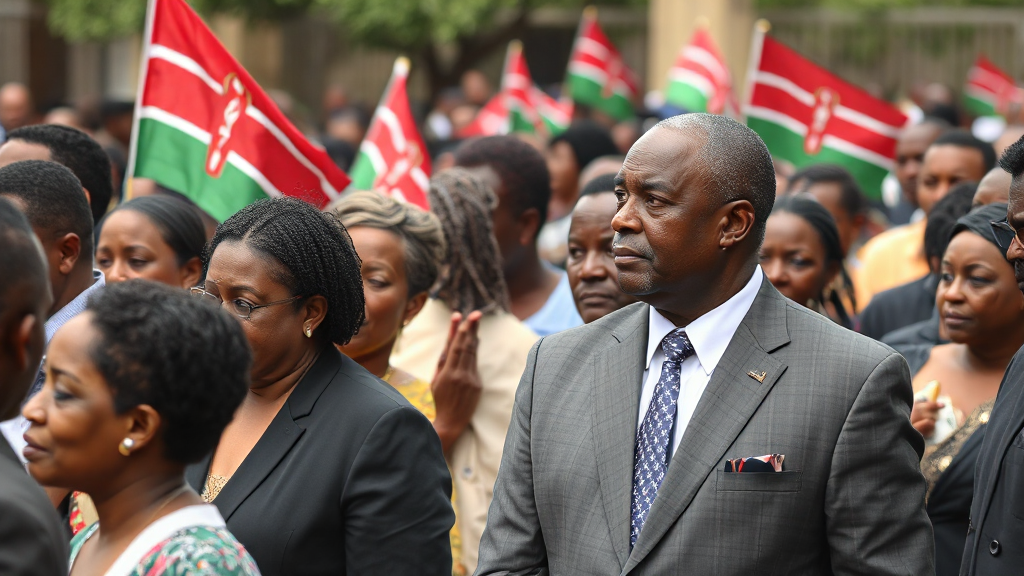
A coalition of Kenyan professionals, academics, and community leaders based in the United Kingdom has launched a sustained legal and political campaign to secure full dual-citizenship rights, pushing the Kenyan government to remove constitutional restrictions that continue to treat naturalised foreign nationals as second-class citizens in their country of birth. The movement, coordinated under the banner of Kenyans in the UK (KUK), has gathered more than 40,000 signatories on a petition submitted to the National Assembly’s Committee on Delegated Legislation and Foreign Affairs in June 2026.

At the heart of the dispute is Article 78 of Kenya’s 2010 Constitution, which bars individuals holding citizenship of another country from being elected to the National Assembly, the Senate, county governorships, or the presidency. A separate provision in the Land Act is interpreted by many county registries as restricting freehold land ownership by dual nationals. KUK argues that these provisions effectively punish Kenyans for decisions made in the national interest — earning foreign qualifications, remitting hard currency, and building professional networks that benefit Kenya — while offering nothing in return.

A Growing Diaspora Voice

The United Kingdom hosts an estimated 130,000 to 160,000 Kenyans, making it the largest Kenyan diaspora community outside the African continent. The community remitted approximately $520 million to Kenya in 2025, according to Central Bank of Kenya data, accounting for nearly a fifth of total diaspora inflows. With the Gen Z political awakening that began with the June 2024 protests having fundamentally reset expectations about civic participation, many in the diaspora community are no longer content to be financial contributors without political voice.

“We send money home every month. We pay KRA taxes on rental income and business interests. We come back and invest in real estate,” said Dr. Grace Waweru, a consultant cardiologist based in Birmingham and one of KUK’s founding directors. “But we cannot stand for our local ward in Kiambu. We cannot title the land we built our mother’s house on. That is not citizenship — it is a financial transaction.”

The legal dimension of the campaign is being led by a team of Nairobi advocates, including senior counsel who argued landmark constitutional petitions during Kenya’s devolution era. A petition filed before the High Court in Milimani in May challenges the constitutionality of the public-office bar on equal-protection grounds, arguing that differentiated treatment of citizens based on their additional nationality status cannot survive the scrutiny of Article 27 of the Bill of Rights. A ruling is expected before the end of the year.

Government Response Measured but Not Dismissive

President Ruto’s administration has responded more warmly than many diaspora advocates expected, with Cabinet Secretary for Foreign Affairs Musalia Mudavadi acknowledging in Parliament in April that the legal framework governing dual citizenship was “a product of its time” and warranted a comprehensive review. Mudavadi commissioned a working group drawn from the State Law Office, the Diaspora Affairs Directorate, and civil society, with a report due to the Cabinet by October.

The political calculus is not straightforward. With the 2027 general election now less than 18 months away, any constitutional amendment requiring a referendum would be difficult to push through Parliament before the campaign season effectively begins. Government insiders acknowledge that a legislative fix — amendments to the Land Act and Elections Act — may be more achievable in the short term than a full constitutional overhaul, and could resolve the most practical grievances without triggering a broader referendum debate.

The Kenya Revenue Authority’s ongoing austerity-driven enforcement campaign has added a complicating layer. Several diaspora investors have complained of aggressive reassessments of rental income on properties they own through relatives, precisely because unclear dual-citizenship status complicates direct ownership structures. Treasury officials say the KRA’s mandate is compliance-neutral, but KUK leaders argue the enforcement falls disproportionately on the diaspora because their income is more visible to the authority.

Broader East African Context

Kenya’s debate mirrors wider shifts across the East African Community. Rwanda amended its nationality law in 2022 to allow diaspora members to hold land and business assets on equal terms with resident citizens. Uganda and Tanzania have taken more restrictive positions, though both are under EAC pressure to harmonise on freedom of movement. Kenyan advocates argue that failing to modernise its own framework risks ceding ground to Kigali as the preferred destination for high-skilled diaspora returnees — a competition that Kenya, given its size and economic weight, should not be losing.

The campaign will return to Westminster in September, where KUK has scheduled meetings with members of the House of Commons All-Party Parliamentary Group on Kenya to explore whether the UK government can formally raise the dual-citizenship issue during the next bilateral high-level dialogue. Whether or not those talks bear fruit, the movement has already changed the terms of debate in Nairobi — and shows no sign of quietening before 2027.

Read More
India-Kenya Trade Reaches $8 Billion as Pharmaceutical and IT Ties Strengthen
International

India-Kenya Trade Reaches $8 Billion as Pharmaceutical and IT Ties Strengthen

Bilateral trade between India and Kenya has reached a record $8 billion in the financial year ending March 2026, marking a 34 per cent increase over two years and cementing India’s position as Kenya’s single largest trading partner outside the African continent. The milestone, announced jointly by Kenya’s Ministry of Trade and the Indian High Commission in Nairobi, reflects deepening structural ties across pharmaceuticals, information technology, and agro-processing.

Cabinet Secretary for Trade Rebecca Miano described the figure as a vindication of the Comprehensive Economic Partnership Agreement framework that the two countries have been negotiating since 2023. “India is not merely a supplier to Kenya; it is increasingly a co-investor and a technology transfer partner,” she said at a trade reception held at the Radisson Blu Nairobi in late June. “We expect to break the $10 billion threshold before the end of President Ruto’s current term.”

Pharmaceuticals Drive the Numbers

Generic medicines remain the single largest component of Indian exports to Kenya, accounting for roughly $2.3 billion of the total trade volume. Indian pharmaceutical giants including Sun Pharma, Cipla, and Dr. Reddy’s collectively supply an estimated 65 per cent of Kenya’s branded-generic drug requirements, a share that has grown sharply since the rollout of the Social Health Authority — the successor to NHIF — began expanding primary care access to millions of previously uninsured Kenyans. The SHA’s procurement arm has signed framework agreements with three Indian manufacturers to supply antiretrovirals, antimalarials, and maternal health medicines at negotiated public-sector prices.

Kenya’s pharmaceutical regulatory body, the Pharmacy and Poisons Board, has simultaneously fast-tracked the review of 47 Indian-manufactured products under a mutual recognition arrangement agreed in 2025. Officials say the accelerated pathway has reduced market-entry timelines from 18 months to under six months, cutting costs for importers and, ultimately, retail drug prices.

A new pharmaceutical manufacturing joint venture, announced in May by Nairobi-based Dawa Limited and Hyderabad-based MSN Laboratories, is set to break ground in Athi River’s Export Processing Zone before year-end. The Ksh 4.2 billion facility is expected to produce oral solid dosage forms primarily for the Kenyan and EAC markets, creating approximately 800 direct jobs.

IT Corridor Between Nairobi and Bengaluru Matures

On the technology side, Kenya’s IT sector has evolved from a recipient of Indian outsourcing know-how into a credible services exporter in its own right. The Kenya ICT Authority reports that Indian companies — led by Infosys, Wipro, and Tata Consultancy Services — now employ more than 12,000 Kenyans either directly or through local subcontracting arrangements in Nairobi, Mombasa, and Kisumu.

Safaricom’s ongoing 5G rollout has made Kenya an increasingly attractive destination for fintech product development, with at least nine Indian start-ups establishing local subsidiaries in Nairobi’s Westlands and Upper Hill districts since 2024. Several of these firms are building M-Pesa-integrated payment solutions for export into the wider East African market, leveraging Kenya’s established mobile money infrastructure as a proving ground.

“Kenya’s combination of Anglophone talent, a mature regulatory environment, and continent-leading mobile penetration makes it the logical hub for any Indian firm serious about Africa,” said Rajesh Nair, Managing Director of Infosys East Africa, speaking at the Nairobi Tech Summit last month.

Challenges and the Road Ahead

The trade relationship is not without friction. Kenyan manufacturers, particularly in textiles and processed foods, continue to press the government over the trade deficit — Kenya exports roughly $900 million to India, primarily tea, coffee, avocado, and cut flowers, leaving a gap of more than $7 billion. Industry lobby group the Kenya Association of Manufacturers has called for stricter rules-of-origin provisions in any formal bilateral agreement to protect domestic producers from cheap Indian-manufactured goods entering through EPZ loopholes.

There are also concerns within the KRA about transfer pricing by large Indian multinationals operating in Kenya, a point that Treasury has acknowledged is under active review as part of the broader IMF-supported tax-compliance drive. Kenya’s current IMF programme, which entered its fourth review in May 2026, explicitly targets a widening of the tax base and improved collection from the formal private sector.

Despite these tensions, diplomatic momentum is firmly positive. Indian Prime Minister Narendra Modi is expected to visit Nairobi in the fourth quarter of 2026 — what would be the first visit by an Indian head of government since 2016 — with a focus on finalising the economic partnership framework and announcing fresh lines of credit for infrastructure. For President Ruto’s administration, navigating towards the 2027 elections with a flagship foreign-investment story to tell, the timing could hardly be better.

Read More
Kenya Hosts African Union Peace Summit to Resolve Sudan and DRC Conflicts
International

Kenya Hosts African Union Peace Summit to Resolve Sudan and DRC Conflicts

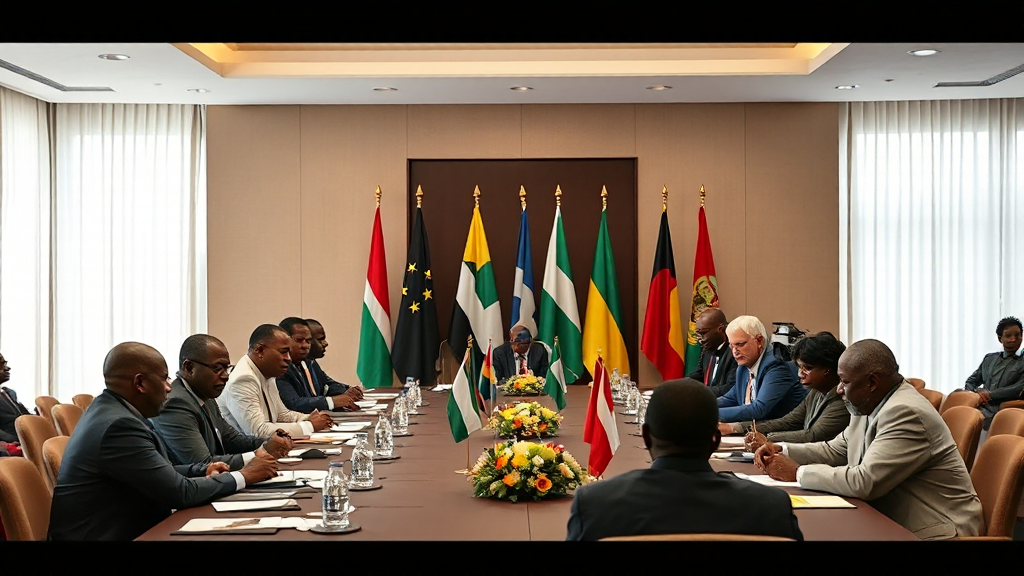
The corridors of the Kenyatta International Convention Centre were thick with the presence of power last week as delegations from 28 African Union member states, the United Nations, the European Union, and the Arab League converged on Nairobi for what AU Commission Chairperson Moussa Faki Mahamat described as “the most consequential gathering on African peace in a decade.” At the centre of it all stood President William Ruto, who spent three days in succession mediating between parties to the Sudan civil war and the eastern Democratic Republic of Congo crisis — two of the continent’s most destructive conflicts — in back-to-back sessions that stretched late into each night.

The two-day summit, formally titled the African Union High-Level Consultation on Continental Peace and Security, concluded on 5 July with the signing of the Nairobi Declaration on Cessation of Hostilities, a framework document committing the Sudanese Armed Forces and the Rapid Support Forces to a 90-day humanitarian ceasefire, and a separate communiqué calling for the immediate withdrawal of foreign-backed armed groups from North and South Kivu provinces in the DRC.

Sudan: Fragile Progress

Progress on Sudan was, by the assessment of most observers, the more unexpected diplomatic achievement. The two-year civil war between SAF General Abdel Fattah al-Burhan and RSF commander Mohamed Hamdan Dagalo, known as Hemedti, has killed an estimated 150,000 people and displaced over 10 million, creating the world’s largest displacement crisis. Previous ceasefire attempts in Jeddah and Geneva had collapsed within days. The Nairobi ceasefire, brokered with the direct involvement of Egypt, Saudi Arabia, and the United Arab Emirates — all brought to the table partly through Kenya’s diplomatic relationships — is structured around a graduated humanitarian access framework with AU monitoring teams to be deployed within 15 days.

“We make no grand claims,” President Ruto told the closing press conference. “A 90-day ceasefire is not peace. But it is the silence in which peace can begin to be built.” His caution was shared by UN Secretary-General Antonio Guterres, who addressed the summit via video link and welcomed the declaration while warning that “words on paper must be converted into actions on the ground within days, not weeks.”

A joint AU-UN monitoring mission of 400 observers, with Kenyan officers forming the largest national contingent, will deploy to Khartoum and Al Fashir immediately following the ceasefire’s entry into force on 15 July.

Eastern DRC: Kenya’s Persistent Engagement

On the DRC file, Kenya’s position as a mediator has been shaped by its years of investment in the Nairobi Process — a track it initiated in 2022 — and by its deployment of troops to the East African Community Regional Force, whose mandate was recently extended through December 2026. The Nairobi Declaration’s DRC communiqué calls on M23 and affiliated groups to withdraw from recently captured territory in South Kivu within 30 days, and establishes a contact group co-chaired by Kenya and Angola to verify compliance.

DRC President Felix Tshisekedi, attending in person, expressed cautious optimism but noted that three previous withdrawal timelines had been missed. Rwanda’s representative — Kigali’s alleged support for M23 remains a source of deep regional tension — signed the communiqué but issued a reservation on the monitoring mechanism’s composition. Foreign Affairs Cabinet Secretary Musalia Mudavadi described Kenya’s role as that of “an honest broker with no territorial ambition and deep investment in regional stability.”

Ruto’s Continental Stature

The summit has consolidated Ruto’s emergence as one of Africa’s most active diplomatic operators, even as domestic audiences — with the 2027 election horizon sharpening — watch his foreign travels with increasing scrutiny. His administration has invested heavily in presenting Kenya as a credible neutral party in continental disputes, a posture that draws on the country’s long tradition of peacekeeping, its relatively stable institutions, and Nairobi’s practical advantages as a hub of international organisations. Whether the Nairobi Declaration’s provisions survive contact with the realities on the ground will determine whether that reputation proves durable.

Read More
Sauti Sol Announces World Tour Including First US Stadium Show
Arts & Entertainment

Sauti Sol Announces World Tour Including First US Stadium Show

Sauti Sol, the four-piece Nairobi band widely credited with carrying Kenyan music to global audiences, have announced their most ambitious touring programme to date: a 28-date world tour spanning North America, Europe, Australia, and the Gulf, headlined by what will be their first-ever US stadium performance at the 70,000-capacity SoFi Stadium in Los Angeles this October.

The tour, titled Tuko Hapa — Swahili for “We Are Here” — was announced simultaneously across the group’s social media platforms and confirmed by their management at Nyota Entertainment in a statement that described the Los Angeles date as “a moment ten years in the making.” Tickets go on sale on 15 July through a partnership with Live Nation, with pre-sale access offered via M-Pesa’s Tickets app — a Safaricom partnership that the group said reflects their commitment to keeping Kenyan fans connected to their journey.

A Historic Milestone

The SoFi Stadium date carries particular resonance given that Los Angeles will host the 2028 Summer Olympic Games, a competition in which Kenya holds deep emotional investment as one of the world’s great track and field nations. Sauti Sol’s management confirmed that the show has been styled in part as a cultural bridge ahead of 2028 — a celebration of Kenyan creative excellence to complement the country’s anticipated athletic success.

“SoFi Stadium is where the Super Bowl is played. It is where Beyoncé has performed,” said group member Bien-Aimé Baraza in a video message shared with ZaKenya.com. “When we step onto that stage in October, we are not just representing Sauti Sol. We are carrying Nairobi, we are carrying Kenya, we are carrying every young musician in Kibera or Kisumu who has ever been told that African music has a ceiling.”

The Kenyan diaspora community in the United States — estimated at over 100,000, with significant concentrations in the Dallas-Fort Worth, Washington DC, and greater Los Angeles metro areas — is expected to drive strong early ticket sales. The group’s Los Angeles fan club, Sauti Sol LA, has already begun coordinating coach transport from as far away as San Diego and San Francisco.

The Tour Itinerary

The Tuko Hapa tour opens in Nairobi on 5 September with a homecoming concert at KICC Grounds — a rare outdoor ticketed show at the venue, which is being temporarily reconfigured to hold an estimated 25,000 fans. The band will then move through London (The O2 Arena, 18 September), Amsterdam, Paris, Toronto, New York (Madison Square Garden, 3 October), and Los Angeles before closing with dates in Dubai and Melbourne in December.

The European leg has been coordinated with the Kenya Tourism Board as part of a cultural diplomacy push, with the band set to participate in roundtable discussions on the African creative economy in London and Amsterdam alongside Kenyan embassy officials. It is a reminder that for governments navigating austerity and international reputation management, their artists often punch above the weight of any formal diplomatic delegation.

New Music and Creative Direction

The tour will coincide with the release of a new album — as yet untitled — scheduled for a September launch on all major streaming platforms. The group described the record as their “most sonically expansive work,” drawing on Afrobeats, traditional benga rhythms, and contemporary R&B influences. Producers involved include Bongo Beats stalwart S2kizzy and US-based Kenyan producer OG Swish, who has previously worked with artists on the Atlantic Records roster.

Sauti Sol’s commercial and cultural trajectory has made them a reference point for Kenya’s creative economy advocates who argue that investment in music infrastructure — studios, live venue development, intellectual property frameworks — would enable more Kenyan artists to replicate their success. Music industry analyst Njoroge Kariuki estimated that the Tuko Hapa tour would generate approximately Ksh 4.5 billion in direct and indirect economic activity, a figure that will strengthen the case for greater government and private sector support for Kenya’s live music ecosystem.

Read More
Kenya's National Examinations Council Rolls Out Digital KCSE Testing in 5 Counties
Education

Kenya’s CBC Curriculum Reaches Senior School as First Cohort Transitions

Kenya’s National Examinations Council (KNEC) has formally launched its long-anticipated computer-based testing pilot for the Kenya Certificate of Secondary Education (KCSE) examination, deploying the system across selected schools in five counties as part of a phased transition that officials say will reshape the country’s assessment landscape by 2028.

The pilot, which began in July 2026, covers schools in Nairobi, Kisumu, Mombasa, Nakuru, and Eldoret — counties selected for their relatively advanced ICT infrastructure and proximity to technical support hubs. Approximately 12,000 Form Four students are participating in the trial, sitting adaptive digital assessments in subjects including Mathematics, Biology, and Business Studies.

Technology at the Heart of the Reform

KNEC Chief Executive Officer Dr. David Njengere described the rollout as “the most consequential reform to Kenya’s examination system since the introduction of the 8-4-4 curriculum in 1985.” Speaking at a launch ceremony in Nairobi’s Upper Hill, Dr. Njengere said the digital platform would eliminate examination leakages — a problem that has plagued the KCSE for years — by generating randomised question sets for each candidate drawn from a secure, encrypted item bank.

“We have invested Ksh 3.2 billion in this infrastructure over the past two years,” he said. “Every testing centre is equipped with ruggedised laptops, back-up power systems, and offline-capable software that synchronises results the moment connectivity is restored. We are not leaving anything to chance.”

The system uses biometric authentication — fingerprint scanning and facial recognition — to verify candidate identity at login, a measure that KNEC says will also combat impersonation, which its internal audit identified as responsible for a significant share of examination irregularities in the 2024 and 2025 KCSE cycles.

Equity Concerns and Infrastructure Gaps

Not everyone is celebrating. The Kenya National Union of Teachers (KNUT) Secretary General Collins Oyuu cautioned that the pilot’s geographic concentration risks widening the digital divide between well-resourced urban schools and rural institutions that still lack reliable electricity. “Nairobi and Kisumu are not Kenya,” Oyuu told a press briefing in Nairobi. “We have sub-counties in Turkana, Mandera, and West Pokot where students have never touched a computer. If we rush this nationally by 2028, we risk a two-tier examination system.”

The Ministry of Education has acknowledged the infrastructure challenge and points to the ongoing rollout of the government’s Connectivity for Learning Programme, which is installing solar-powered computer labs in 8,000 public schools nationwide, partially funded through a World Bank credit facility of USD 250 million approved in late 2025. Education Cabinet Secretary Julius Ogamba told parliament’s Education Committee in June that at least 70 per cent of public secondary schools would meet the minimum technical threshold for digital testing by the end of 2027.

The pilot comes against the backdrop of President Ruto’s administration’s broader Competency-Based Curriculum (CBC) transition, which is now delivering its first cohort of Junior Secondary students into Senior Secondary School. The new CBC pathway, unlike 8-4-4, is designed around project-based and practical assessment — making digital testing a more natural fit.

Student and Teacher Reactions

Students at Nairobi’s Upperhill Secondary, one of the pilot schools, reported mixed but broadly positive reactions. “The typing speed was the hardest part at first,” said Form Four student Aisha Wangari, 17. “But the system gives you more time to edit your answers and I liked that I could flag questions to come back to.”

Teachers have received a ten-day orientation programme designed and delivered jointly by KNEC and Safaricom’s Digifarm education unit, which is providing technical support under a public-private partnership. Results from the pilot assessments are expected to be analysed and published in a technical report by October 2026, which will inform KNEC’s decision on whether to expand the programme to an additional 15 counties in 2027.

If the timeline holds, Kenya would join a small cohort of African nations — including Rwanda and Mauritius — that have successfully implemented computer-based national examinations at scale. For a government facing criticism over austerity cuts linked to its IMF programme, a credible, leak-proof examination system would represent a politically valuable win ahead of the 2027 general election.

Read More
Invasive Water Hyacinth Chokes Lake Victoria, Threatening 200,000 Fishermen's Livelihoods
Environment

Invasive Water Hyacinth Chokes Lake Victoria, Threatening 200,000 Fishermen’s Livelihoods

Water hyacinth, the free-floating South American plant that has plagued Lake Victoria since its accidental introduction in the 1980s, has staged a resurgence that authorities are describing as the worst infestation since 2006. Satellite mapping by the Regional Centre for Mapping of Resources for Development, published on 18 June 2026, identified 17,400 hectares of the lake’s Kenyan waters covered by dense hyacinth mats — an area roughly equivalent to the size of Nairobi — with an additional 9,200 hectares affected on the Ugandan and Tanzanian sides of the shared lake. An estimated 200,000 Kenyan fishing households in Kisumu, Homa Bay, Siaya, Migori, and Busia counties depend on Lake Victoria for their primary income, and fishing communities report that boat access to open water has been cut off at 34 out of 63 monitored landing sites.

Water hyacinth (Eichhornia crassipes) thrives on nutrient-rich water, and Lake Victoria’s nutrient load — driven by agricultural runoff from Kenya, Uganda, and Tanzania’s expanding lakeside farming areas, discharge from Kisumu’s incompletely treated sewage systems, and atmospheric nitrogen deposition from industrial and vehicle emissions — has reached levels that hyacinth finds near-optimal. The plant doubles its biomass every two weeks under ideal conditions, making control efforts a perpetual race against biological momentum. Climate factors have compounded the crisis: the calmer-than-normal lake surface winds recorded in the first half of 2026, a pattern linked to residual atmospheric disruption from the El Niño sequence, have prevented the wave action that historically fragments and sinks hyacinth mats.

The Human Cost on the Lakeshore

In Dunga Beach outside Kisumu, where tourism and artisanal fishing have historically combined to provide year-round income, fishermen report not having been able to launch boats for up to three consecutive days at the peak of the infestation in May 2026. James Ochieng Otieno, 44, who captains a five-man crew with two beach seine nets, told ZaKenya that his monthly income had fallen from Ksh 28,000 to under Ksh 8,000 since February. “We sit on the beach and look at a green field where the lake used to be. My children’s fees are due. I have nothing.”

The economic impact extends well beyond individual fishermen. Fish processing plants in Kisumu, which collectively employ over 12,000 workers and export Nile perch fillets worth an estimated Ksh 18 billion annually to EU and Asian markets, have reported a 35 per cent drop in raw fish throughput in the first half of 2026. The Kenya Fish Processors and Exporters Association has applied to the government for a Ksh 1.2 billion emergency working capital facility to avoid factory closures and mass redundancies before the infestation is brought under control.

Control Efforts and EAC Coordination

The Lake Victoria Basin Commission, the East African Community organ responsible for co-ordinating shared management of the lake, convened an emergency session in Kisumu on 20 June attended by environment ministers from Kenya, Uganda, and Tanzania. The session agreed to deploy mechanical harvesting vessels — nine currently operational across the three countries, with Kenya contributing four — in a coordinated formation targeting the densest mat areas at the Kenyan-Ugandan lake boundary, where transboundary hyacinth movement is most acute. The session also agreed to fast-track a $28 million World Bank-funded weed management project that had been stalled in procurement processes since 2024.

Biological control, using the South American weevil Neochetina eichhorniae that was introduced to Lake Victoria in the 1990s and provided a measure of long-term population suppression, has been undermined by the sheer scale of nutrient input. Experts from the International Centre of Insect Physiology and Ecology (ICIPE) in Nairobi are researching whether drone-based mass release of weevils bred in ICIPE’s Kisumu satellite facility could supplement mechanical harvesting. An ICIPE trial in 2025 showed that weevil-treated hyacinth mats degraded 40 per cent faster than untreated controls, but scaling the approach to 17,000 hectares requires resources not yet committed.

The ultimate solution, ecologists agree, requires reducing the lake’s nutrient load — which means investing in sewage treatment infrastructure in Kisumu and the dozen mid-sized lakeside towns in all three countries, and changing agricultural practices across the vast catchment. These are multi-decade propositions. In the meantime, the hyacinth continues to grow, two weeks at a time, while 200,000 Kenyan fishermen and their families wait for the lake to breathe again.

Read More
Kenya's Wind Energy Capacity Hits 1,000 MW as New Turkana Turbines Come Online
Environment

Kenya’s Wind Energy Capacity Hits 1,000 MW as New Turkana Turbines Come Online

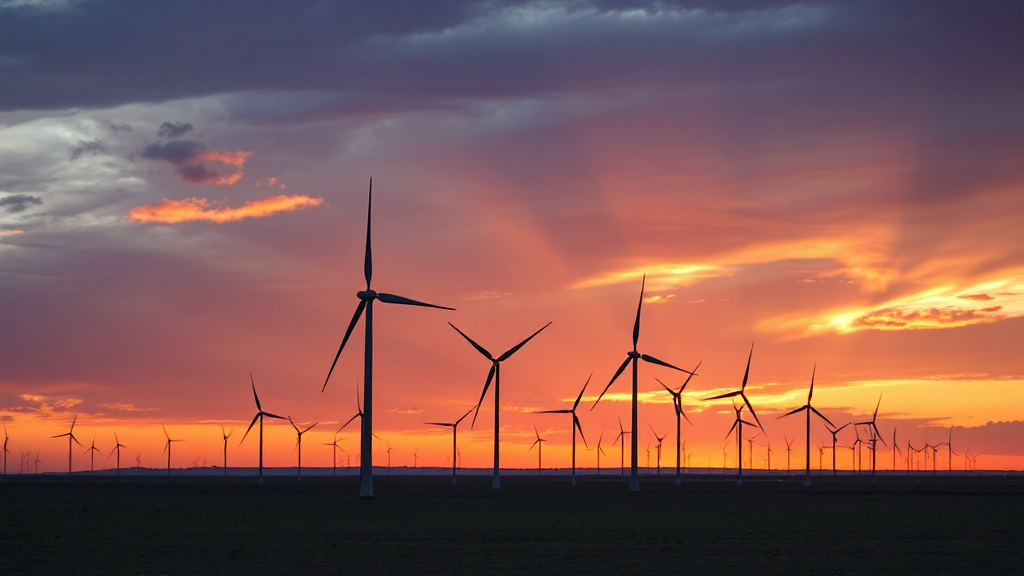
Kenya has crossed a landmark threshold in its clean energy transition, with the country’s installed wind generation capacity surpassing 1,000 megawatts for the first time following the commissioning of 71 new turbines at Lake Turkana Wind Power’s Phase II expansion in Marsabit County. The Energy and Petroleum Regulatory Authority confirmed the milestone on 24 June 2026, noting that the 213 MW added by the new units brings Kenya’s total wind fleet to 1,024 MW — a figure that places the country third in Africa for installed wind capacity, behind South Africa and Morocco, and cements its position as East and Central Africa’s undisputed leader in wind generation.

The Lake Turkana Wind Power project, which began its Phase I operations in 2017 with 365 turbines generating 310 MW, remains the largest single wind installation on the African continent. The Phase II expansion, financed through a $310 million blended finance package combining equity from the European Investment Bank, AFD (the French development agency), and Finnfund alongside commercial debt from Standard Bank and Stanbic Kenya, adds a further 71 Vestas V150-4.5 turbines, each with a hub height of 105 metres — tall enough to fully exploit the relentless north-easterly winds that funnel down the Rift Valley corridor between Chalbi Desert and the lake’s northern shore.

The Grid Impact

The additional 213 MW from Phase II is particularly significant given Kenya’s chronic evening peak demand deficit. Kenya Power, which manages distribution under a grid supplied predominantly by hydroelectric generation at the Tana and Turkana cascades and geothermal plants at Olkaria, has historically relied on expensive diesel-fired emergency peakers to cover demand between 6pm and 10pm when residential consumption peaks. The Lake Turkana wind resource blows most strongly between midday and midnight, making LTWP’s generation profile a useful complement to the morning-dominated hydro output. Energy Cabinet Secretary Davis Chirchir said the Phase II megawatts would allow Kenya Power to retire at least three diesel plants with a combined capacity of 90 MW by December 2026, saving an estimated Ksh 4.2 billion annually in fuel costs.

Kenya’s generation mix at mid-2026 stands at approximately 52 per cent geothermal, 22 per cent hydro, 15 per cent wind, 7 per cent solar, and 4 per cent thermal, giving the country one of the cleanest electricity supply profiles in Africa. The 1,000 MW wind milestone pushes the non-dispatchable renewable share of installed capacity above 30 per cent, a level at which grid stability management becomes more technically demanding. The Kenya Electricity Transmission Company has accelerated the installation of battery energy storage systems at Suswa and Isiolo substations — 50 MWh and 30 MWh respectively — to provide frequency regulation services as variable renewables grow.

Jobs, Communities, and the Marsabit Dividend

The Phase II expansion created approximately 1,200 construction jobs during the 28-month build phase, of which LTWP reported 68 per cent were filled by Marsabit County residents, against a contractual local content target of 60 per cent. Forty-three young engineers from Marsabit, trained through a partnership with the Technical University of Kenya, are now permanent operations and maintenance staff on site. The project’s community development fund, funded at 1 per cent of annual revenues, disbursed Ksh 87 million to Marsabit projects in 2025, supporting water borehole construction, school laboratories, and an equipment workshop for the Laisamis-Loiyangalani road maintenance cooperative.

The Safaricom Foundation has partnered with LTWP to extend 5G connectivity infrastructure along the power transmission line corridor from Marsabit to Suswa, piggybacking fibre optic cables on the high-voltage pylons — an arrangement that will bring high-speed internet to 14 previously unconnected pastoral settlements along the route. “Wind energy built the road. The road brought the fibre. The fibre will bring the schools online,” said Marsabit Governor Mohamud Ali in remarks at the Phase II commissioning ceremony attended by Energy CS Chirchir.

With Kenya’s Vision 2030 energy targets calling for 100 per cent renewable electricity supply by 2030 and the government eyeing green hydrogen exports to Europe as a post-2028 revenue stream, the 1,000 MW wind milestone is a strategic as much as a symbolic achievement. Four additional wind projects totalling 480 MW are in advanced permitting in Kajiado, Meru, and Kwale counties. At current trajectory, Kenya’s wind fleet could reach 1,600 MW before the 2027 general elections — a clean energy record that President Ruto’s administration will be keen to claim as a signature legacy.

Read More
Deforestation Rate in Kenya's Coastal Forests Doubles, Alarming Scientists
Environment

Deforestation Rate in Kenya’s Coastal Forests Doubles, Alarming Scientists

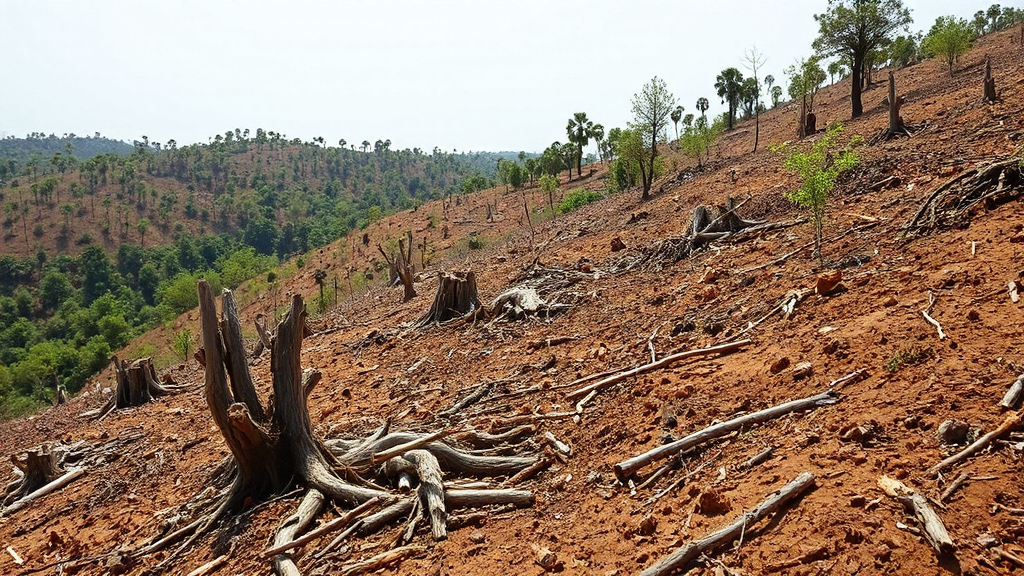
Scientists monitoring Kenya’s coastal forests — a globally recognised biodiversity hotspot that shelters more endemic species per square kilometre than any comparable habitat in Africa — have sounded urgent alarm after satellite analysis revealed that the deforestation rate in these ecosystems doubled between 2020 and 2025. The study, published in the journal Nature Sustainability in June 2026 by researchers from the University of Nairobi, the Royal Botanic Gardens Kew, and the Wildlife Conservation Society, used Sentinel-2 multispectral data to calculate that 14,000 hectares of coastal forest were cleared or severely degraded in 2025 alone, compared with an annual average of 6,800 hectares between 2015 and 2020.

The coastal forests of Kenya — a fragmented archipelago of lowland dry and moist forest patches running from the Shimba Hills near Kwale through Arabuko-Sokoke in Kilifi County to the Boni and Dodori forests in Lamu County — are classified by Conservation International as part of the Eastern Afromontane and Coastal Forests of Eastern Africa biodiversity hotspot. They shelter 11 globally threatened bird species found nowhere else, including the Sokoke Pipit, the Clarke’s Weaver, and the Amani Sunbird. Of the 630 tree species recorded in these forests, 75 are endemic to the East African coast.

Drivers of Accelerating Loss

The study identifies five interlocking drivers of the acceleration. First, charcoal production for Mombasa and the wider coastal urban market has intensified as liquefied petroleum gas prices rose sharply following currency depreciation and fuel subsidy removal under the IMF fiscal programme. An estimated 4.2 million bags of charcoal — each representing approximately one large hardwood tree — were sold in coastal markets in 2025, according to KFS data. Second, small-scale agriculture expansion by landless households, many of them displaced by coastal real estate development for tourism, has pushed cultivation deeper into forest margins.

Third, timber poaching for high-value hardwoods — particularly African blackwood (Dalbergia melanoxylon) and copal (Hymenaea verrucosa) — has surged, partly linked to export networks routing timber through Mombasa Port. KFS rangers made 217 timber smuggling arrests in Kilifi and Lamu counties in 2025, but acknowledged that prosecution rates remain low due to court backlogs. Fourth, invasive species, particularly the introduced shrub Lantana camara, are converting forest understoreys into impenetrable monocultures that suppress tree regeneration even where canopy cover appears intact. Fifth, irregular rainfall associated with post-El Niño climate variability has increased fire frequency in the drier Boni and Dodori forests, with 12 significant fires recorded in 2025.

The Arabuko-Sokoke Crisis

Arabuko-Sokoke Forest — at 6,000 hectares the largest remaining coastal forest patch and the site of the world’s most significant Clarke’s Weaver nesting colony — is under particular stress. KFS aerial surveys conducted in April 2026 showed that the forest’s legal boundary had been encroached upon at 34 separate points, with a total of 320 hectares inside the gazetted boundary converted to farmland or settlement. An illegal logging syndicate dismantled in March 2026 by a joint KFS-DCI operation was found to have extracted timber worth an estimated Ksh 28 million from the forest’s interior over an 18-month period.

“Arabuko-Sokoke is irreplaceable. If we lose it, we lose species that exist nowhere else on earth. That is permanent,” said Dr. Colin Jackson of BirdLife International’s Kenya programme, one of the Nature Sustainability study’s co-authors. “The deforestation rate we are now seeing is incompatible with the survival of the Clarke’s Weaver as a species.”

Kenya Forest Service director Alex Lemarkoko acknowledged the findings and announced an emergency management review of all 14 coastal forest gazetted areas, pledging to table a Coastal Forests Emergency Conservation Bill before the National Assembly by September 2026. The bill proposes enhanced penalties for forest boundary violations — raising the maximum fine from Ksh 100,000 to Ksh 1 million and introducing mandatory minimum custodial sentences for repeat offenders — and allocates Ksh 1.8 billion for ranger recruitment, boundary demarcation, and community forest enterprise development. Whether the legislative response can match the pace of forest loss is a question that scientists say admits no delay. “Every year that passes without decisive enforcement,” said Dr. Jackson, “is a year we do not get back.”

Read More
Kenya's Coral Reef Conservation Effort Wins UN Environment Prize
Environment

Kenya’s Coral Reef Conservation Effort Wins UN Environment Prize

Kenya has won the United Nations Environment Programme’s prestigious Champions of the Earth award in the Ecosystem Restoration category for 2026, with the prize going to the Kenya Coral Reef Restoration Alliance — a network of fishing communities, county governments, marine research institutions, and NGOs that has planted over 180,000 coral fragments across 28 reef sites along the country’s 600-kilometre Indian Ocean coastline. The award was announced at UNEP’s annual Nairobi headquarters ceremony on 5 June, World Environment Day, and was accepted jointly by KCRRA co-ordinator Fatuma Ali Dida and Kenya Marine and Fisheries Research Institute director Dr. James Njiru.

The Champions of the Earth award, launched in 2005 and previously won by figures including Wangari Maathai and organisations from Costa Rica, Bhutan, and Norway, is widely regarded as the United Nations’ highest environmental honour. Kenya’s win marks the first time the award has been given specifically for coral reef restoration in the Western Indian Ocean region and the third time a Kenyan entity has received it, following Maathai’s 2004 win and the Kibera composting programme’s 2011 recognition.

How Kenya’s Reef Restoration Works

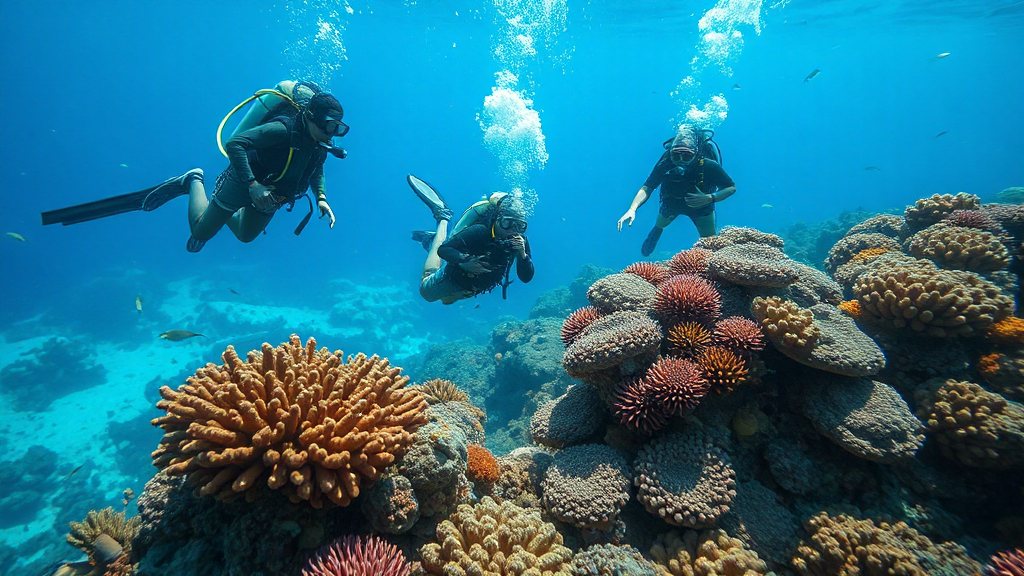
The Alliance’s methodology, developed over seven years and now replicated in Tanzania and Mozambique, centres on what practitioners call the “coral nursery to reef” pipeline. Coral fragments, harvested from healthy parent colonies in deep-water refugia zones where temperatures are buffered against surface warming, are attached to purpose-built underwater nursery trees — metal frames anchored at 6–10 metres depth in lagoon waters protected from wave action. After six to eight months of monitored growth, when fragments reach optimal size, trained community dive teams transplant them to degraded reef structures using stainless steel pins and calcium carbonate cement.

The programme employs 340 community divers drawn from Shimoni, Wasini, Gazi, Diani, Watamu, Malindi, and Kiunga fishing villages — men and women who grew up on these reefs and watched their bleaching and physical destruction from anchor damage, destructive fishing, and sewage pollution over three decades. Each community team maintains its own nursery site and reef transplant zone, creating a proprietorial relationship that has dramatically reduced instances of anchor damage and illegal dynamite fishing in Alliance zones. “When the reef is yours to nurse, you guard it like your children,” said Ali Hassan Mwakio, a Shimoni-based dive coordinator who has been with the programme since its 2019 pilot phase.

Results, Scale, and Climate Stakes

KMFRI monitoring surveys show that transplanted coral plots in the programme’s oldest sites — Malindi Marine National Park and the Kisite-Mpunguti Marine Protected Area near Shimoni — have achieved live coral cover of 35–48 per cent, against a baseline of 8–14 per cent when restoration began. Fish biomass within restored zones is 2.3 times higher than in adjacent unrestored reef sections, according to KMFRI’s 2025 ecological survey, and herbivorous fish species critical to reef health — parrotfish, surgeonfish, and rabbitfish — have returned to functional population densities.

The economic case for reef restoration is stark on Kenya’s coast, where 60,000 artisanal fishing households and a marine tourism industry earning Ksh 42 billion annually depend on reef-associated species. A 2024 World Bank study estimated that Kenya’s degraded reefs were costing the coastal economy Ksh 11 billion per year in foregone fish production and tourism revenue, against a restoration investment that KCRRA has valued at Ksh 1.4 billion over seven years. The return on investment calculus has helped attract private sector co-funding from Safaricom’s ESG programme and three international hotel chains operating on the Kenyan coast.

Climate change remains the reef’s existential threat. The 2024 mass bleaching event, triggered by Indian Ocean sea surface temperatures 1.8°C above baseline, killed an estimated 22 per cent of shallow coral cover in Kenyan waters — partially reversing three years of restoration gains at some sites. The Alliance’s response was to intensify the collection of thermally tolerant coral genotypes identified through genetic screening partnerships with the Australian Institute of Marine Science, creating what scientists call an “assisted evolution” approach to building heat-resistant reefs. UNEP cited this adaptive innovation explicitly in its award citation. “Kenya is not just planting corals — it is building reefs that can survive the ocean that is coming,” said UNEP Executive Director Inger Andersen at the ceremony.

Read More
Nairobi River Restoration Project Clears 15 km of Urban Waterway
Environment

Nairobi River Restoration Project Clears 15 km of Urban Waterway

A stretch of the Nairobi River that has for decades been synonymous with Kenya’s urban environmental failure has undergone a transformation that observers are calling unprecedented. The Nairobi River Restoration Project, a Ksh 3.4 billion initiative jointly funded by the Nairobi County Government, the national government’s State Department for Environment, and the European Union, announced on 30 June 2026 that it had cleared 15 kilometres of the river channel — from Westlands Bridge downstream to the Ruaraka Road crossing — of solid waste, illegal structures, and encroaching riparian vegetation, removing 4,800 tonnes of solid waste and over 200 illegal structures in the process.

The Nairobi River is notoriously one of sub-Saharan Africa’s most polluted urban waterways, carrying a toxic cocktail of industrial effluent from the Industrial Area, raw sewage from Kibera, Mathare, Korogocho, and dozens of other informal settlements, solid waste dumped directly into the channel, and chemical runoff from the city’s vehicle repair workshops and battery recycling yards. A 2023 NEMA water quality assessment found zero dissolved oxygen in a 6-kilometre stretch near the Kenyatta National Hospital outfall, making the water biologically dead. Fish have been absent from the upper Nairobi River for over 30 years.

What the Clearance Involved

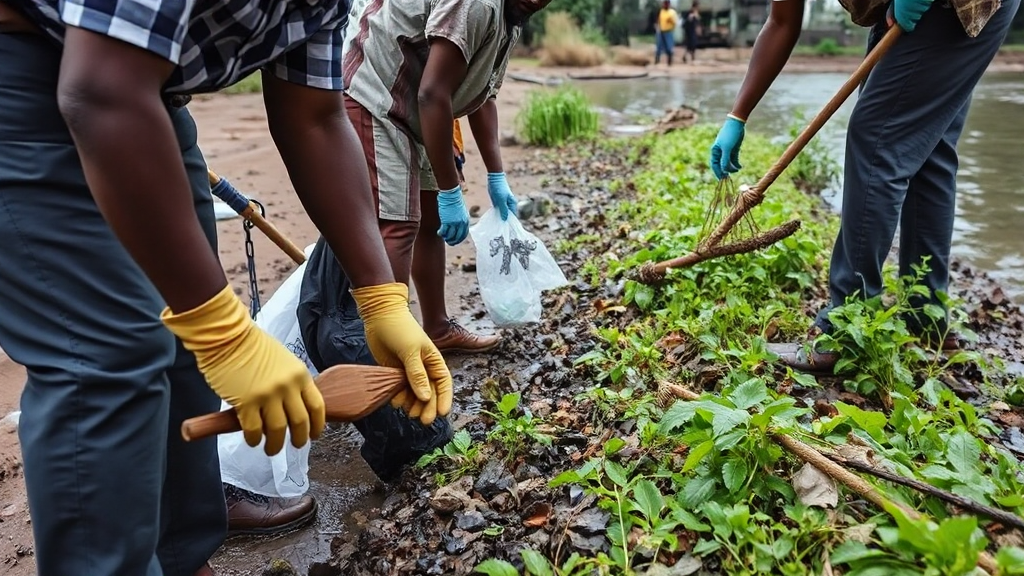
The restoration operation, which ran from October 2025 to June 2026, involved a coalition of 2,400 workers — including contracted civil engineering crews, Nairobi City County environmental officers, and over 600 community youth recruited from riparian settlements — clearing accumulated plastic, metallic waste, demolished structure rubble, and thick mats of invasive water hyacinth. Thirty-one heavy machinery units operated on coordinated eight-hour shifts to remove material from the channel bed and banks.

The 212 households and 47 commercial premises that had constructed within the 30-metre riparian reserve buffer were relocated under a resettlement programme coordinated with UN-Habitat’s Kenya office. Each household received a structured resettlement package including alternative land titles in the Mavoko and Ruai expansion corridors and a cash transition grant averaging Ksh 180,000 per family, funded through the EU grant component. The process was contested — three court injunctions were filed by structure owners and resolved through mediation — but County Environment Executive Abdi Hassan described the legal process as “a testament that the rule of law, not bulldozers, drove this project.”

Early Environmental Signs and Long-Term Vision

Within weeks of the channel clearance, environmental monitors recorded striking early recovery signals. Water turbidity in the cleared stretch dropped from an average of 1,200 NTU (nephelometric turbidity units) to 340 NTU by late June 2026. Dissolved oxygen levels rose from near-zero to 2.4 milligrams per litre — still below the 5mg/L threshold required for fish survival but a measurable biological shift. Twelve species of birds, including the grey heron and malachite kingfisher, have been photographed at riverside locations where none had been observed in living memory, according to Nature Kenya’s Nairobi Urban Birding project.

The restoration plan extends well beyond physical clearance. NEMA has served enforcement notices on 89 industrial facilities discharging into the Nairobi River system without valid effluent licences, and the Capital Markets Authority has been asked to flag Environmental Social and Governance compliance failures to institutional investors in four publicly listed companies among the violators. The Dandora wastewater treatment plant, which was designed in 1980 to handle 80,000 cubic metres per day but currently receives 180,000 cubic metres, is undergoing a Ksh 8 billion expansion under a Japan International Cooperation Agency loan expected to complete by 2028.

Governor Johnson Sakaja, who made the Nairobi River restoration a flagship campaign promise in 2022, has staked considerable political capital on the project’s visible progress. With the 2027 elections approaching, the 15-kilometre clearance milestone gives him a concrete, photographable achievement. Whether the river can be genuinely restored — ecologists say full biological recovery of even the cleared stretch requires elimination of upstream effluent inputs that remain active — is a question that will outlast any single political cycle. But for the first time in decades, Nairobians can walk the river’s banks without turning away from what they see.

Read More