
Over two million in Machakos and Makueni face rising food insecurity risk
Key points
- A climate vulnerability assessment flags over two million people in Machakos and Makueni at rising food insecurity risk.
- Unreliable rainfall, prolonged droughts and extreme flooding are stressing county agriculture.
- Early action on water, drought-tolerant crops and social protection can cut crisis costs later.
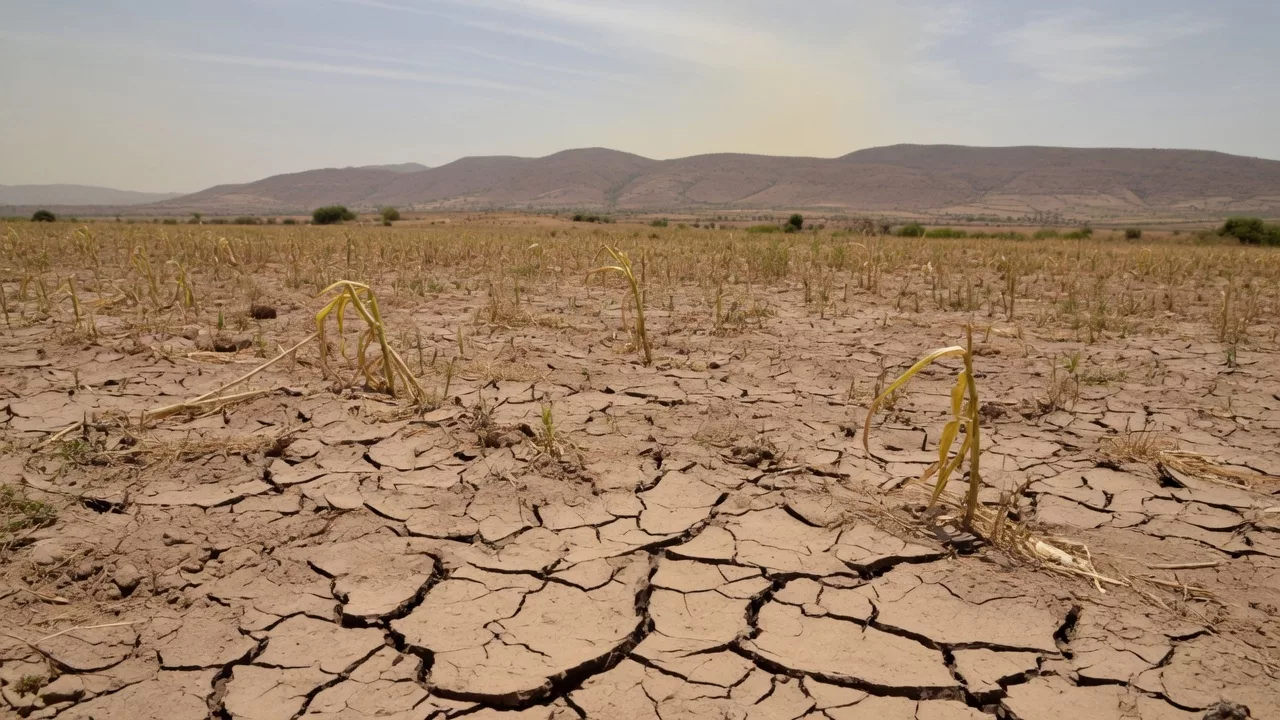
Climate risk in Ukambani is measured in empty granaries. Eastleigh Voice reports a climate vulnerability assessment warning that over two million people in Machakos and Makueni face rising food insecurity as unreliable rainfall, prolonged droughts and extreme flooding threaten the counties’ agriculture.
Mixed shocks — too little rain, then destructive floods — wreck planting calendars and wash out soils. Households that sell livestock in distress enter the next season poorer. Urban Nairobi feels the same shock as higher produce prices.
What response should look like
Functional water pans and boreholes, climate-informed extension messages, drought-tolerant seeds, and scalable cash transfers when IPC phases worsen. County climate plans that stay on shelves help no one.
National agencies and partners should align early-warning triggers with pre-positioned food and fodder — the KMSA call for timely use of forecasts applies here directly.
Development link
Food-secure counties stabilise politics and migration pressure. Ignoring the two-million figure until TV images of hunger appear is more expensive than acting on the assessment now.
Agriculture and NDMA contacts: directory.
Based on Eastleigh Voice reporting of the climate vulnerability assessment; figures may be refined in full technical reports.