Senate seeks public views on making mrangi (achiote) a scheduled crop
Key points
- Bill would amend the Crops Act to put achiote (Bixa orellana), known as mrangi, on the First Schedule as a scheduled crop.
- Status would create a legal frame for regulation, development and promotion of the crop.
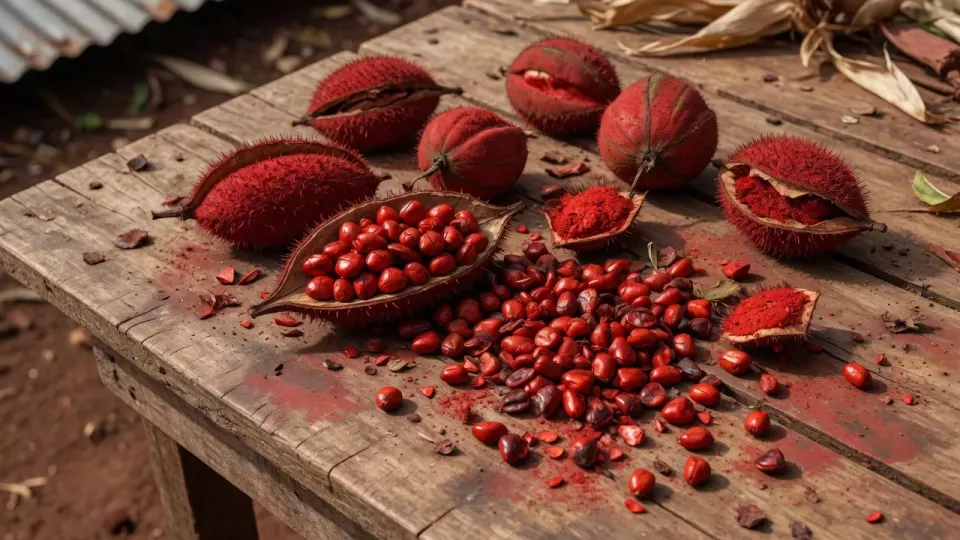
- Economic hook: seeds yield bixin, a natural colour used in food processing and cosmetics.
- Senate committee inviting written memoranda under Article 118 and Standing Orders before reporting.
Before the Senate writes its next report on cash-crop law, it wants paper from the public. The House has opened a window for individuals and organisations to file views on recognising achiote — known locally as mrangi (Bixa orellana) — as a scheduled crop under the Crops Act, Eastleigh Voice reported.
The proposed amendment would place mrangi on the Act's First Schedule. That classification is not a subsidy by itself; it is a legal scaffold for regulation, extension support, research priority and market promotion that unscheduled crops often lack when competing for ministry attention.
Why processors care about a red seed
Mrangi seeds produce bixin, a natural colouring agent used in food processing and cosmetics. Committee framing stresses commercial potential for farmers and processors if production scales under clearer rules. For coastal and other growing zones, a scheduled label can unlock structured value chains instead of informal roadside trade alone.
Article 118 of the Constitution and Senate Standing Orders underpin the call for memoranda. After written submissions, the committee prepares a report to the full Senate — the ordinary public-participation path that decides whether the Bill advances, stalls or returns for redrafting.
What useful submissions should contain
Grower counties can file acreage estimates, buyer prices and pest constraints. Processors can state quality standards and export barriers. Critics can warn about land-use conflicts or weak farmer bargaining power. Vague praise without numbers is less useful than 1-page evidence packs.
Agriculture desk: Agriculture. Track the committee's deadline for memoranda and whether the final report publishes a plain summary of who supported scheduling and who opposed it within 60 days of the close of submissions.
If scheduled status passes, success will still be measured in contracted tonnes and stable bixin prices, not in the ceremony of First Schedule ink. The Senate step is necessary scaffolding — farmers will judge the building that follows. County agriculture CECs in growing zones can already table a 3-season production note so the debate is not abstract.
Based on Eastleigh Voice reporting of the Senate call for views. Committee notices and the Crops Act text control the formal proposal.