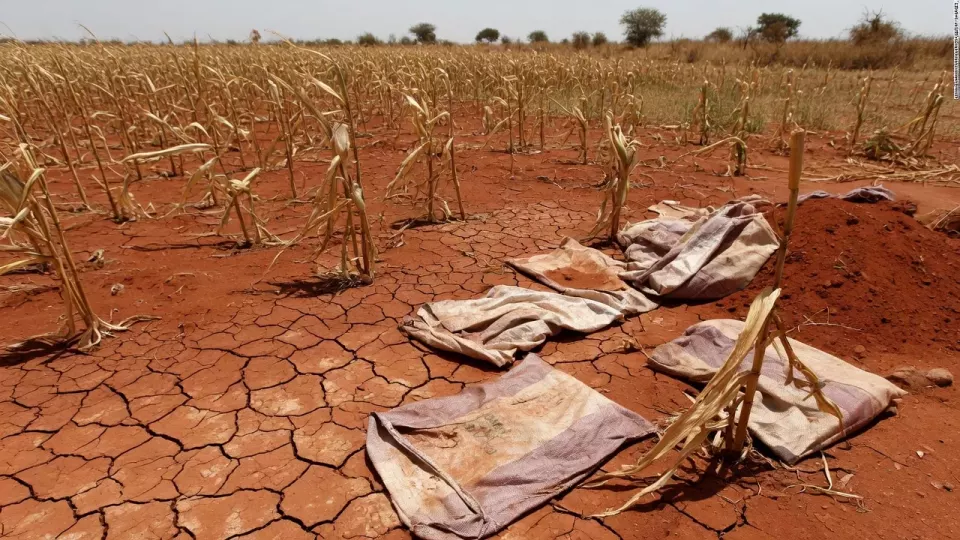
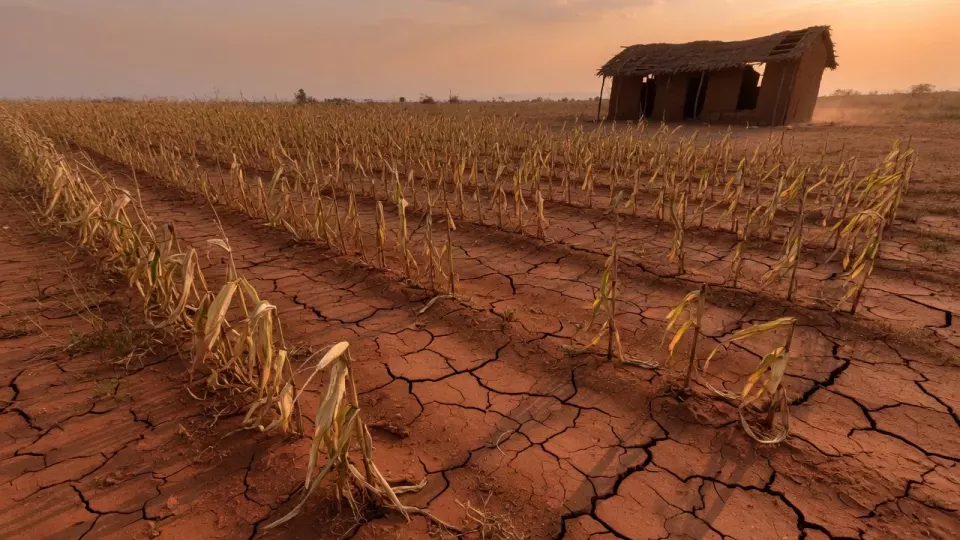
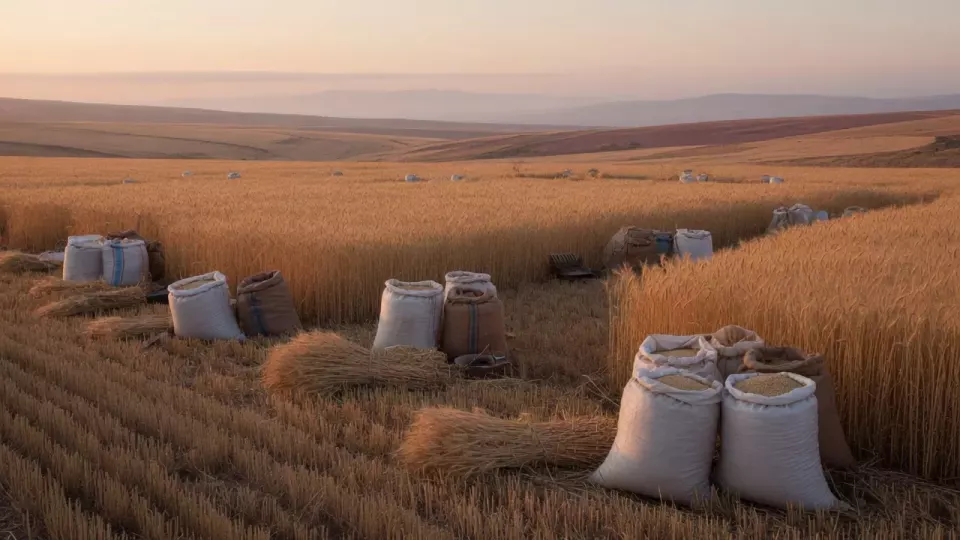
Cereal growers: aflatoxin in maize and a broken market are a food crisis
Key points
- CGA chair Nahshon Ngetich, on Spice FM Thursday 13 August, said Kenya faces a food crisis from a weak market and too few investors.
- Legal aflatoxin limit: 10 parts per billion. KALRO told a June World Food Safety Day forum some cereal samples tested as high as 500 ppb.
- He wants county extension officers back for lime, rotation, seed and fertiliser advice — a service he said died after 2010 devolution.
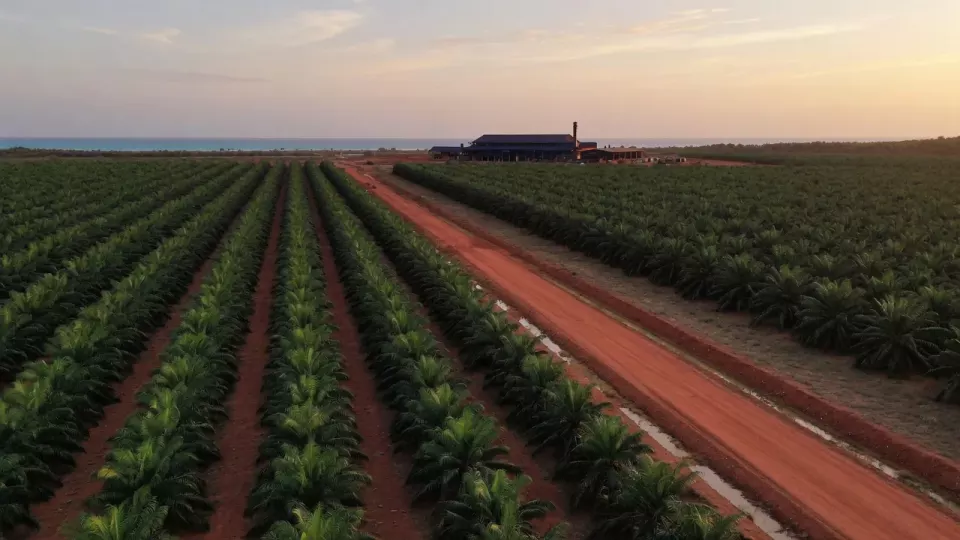
- He called Galana Kulalu’s 1.75 million acres in Kilifi/Tana River a bad maize bet and said fertiliser subsidy is not enough.
“Kenyans are more concerned about food security than food sovereignty, and right now, the aflatoxin levels in the maize going around are alarmingly high.” Cereal Growers Association chair Nahshon Ngetich said that on Spice FM on Thursday 13 August, The Standard reported.
Kenya’s legal aflatoxin cap is 10 parts per billion. KALRO told a June World Food Safety Day meeting that some cereal samples had tested as high as 500 ppb. Ngetich blamed an inefficient market and thin investment, and asked maize counties to put field officers back on farms — lime, rotation, seed choice, fertiliser — the way it worked before agriculture was devolved in 2010. “We, the farmers, are to blame. We should ask for field officers.” He also tore into GMO seed rules that stop replanting, called some ministry voices “not patriotic,” and said policy should look past fertiliser subsidy to land leases, pesticides and middlemen. On Galana Kulalu’s 1.75 million acres across Kilifi and Tana River, he said the weather does not favour maize. That is a growers’ lobby talking over a ministry that this week also promised COMESA imports — two diagnoses, one unga price.
500 ppb is a lab result, not a slogan
If KALRO’s June samples stand, this is a KEBS and public-health file, not only a CGA radio hour. Publish the sample list.
Agriculture desk: Agriculture. Verified 10 vs 500 ppb, Thursday interview and Galana acreage from The Standard / Ngetich.
KEBS should say how much maize above 10 ppb is still in posho mills. Counties should table how many extension officers they actually employ.
Households should treat untested maize as a risk; aflatoxin is not washed out in the sufuria.
Readers should cross-check any deadline, fee, court date or programme claim against primary gazettes, agency circulars and court records before acting on this report.
Official gazettes, court rulings and agency circulars may update these facts after publication; readers should verify any deadline, fee or court date against primary sources before acting.
Based on The Standard reporting of Ngetich’s Spice FM interview. Sample figures are from a June KALRO forum as cited.