Sports Kenya Launches Sh2bn Facility Upgrade Programme for County Stadiums
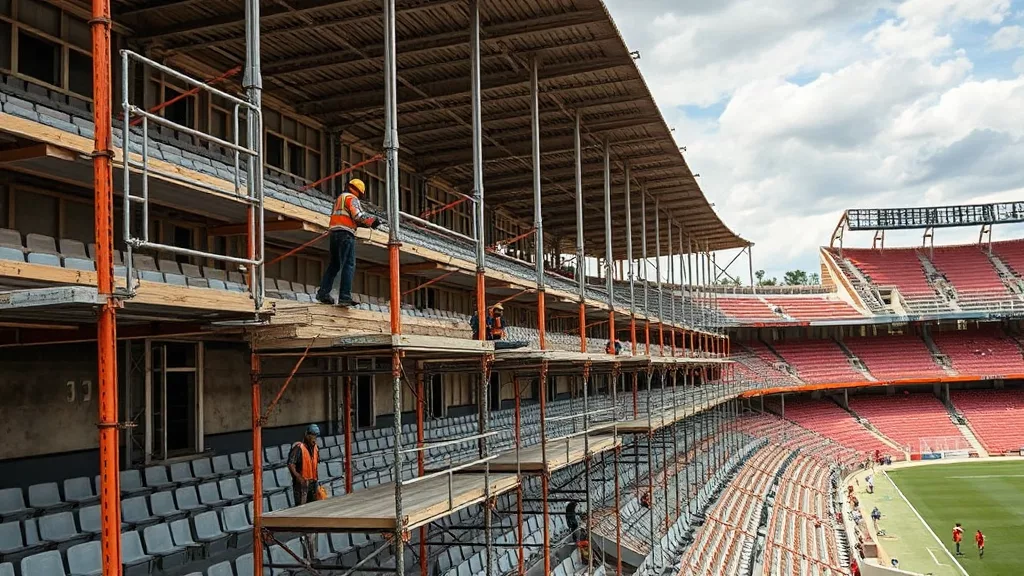
Sports Kenya has officially launched the County Stadium Upgrade Programme, a Sh2 billion initiative that will rehabilitate and modernise sporting facilities across 28 counties by December 2027, Cabinet Secretary for Sports Salim Mvurya announced at a ceremony at Nyayo National Stadium in Nairobi on Monday.
The programme, funded through a combination of national government allocation from the 2026/2027 budget and a concessional loan facility negotiated with the African Development Bank, represents the most significant public investment in grassroots sports infrastructure in Kenya since the construction of the Moi International Sports Centre in the 1980s. It comes as the country intensifies preparations for the Los Angeles 2028 Olympics and seeks to address decades of neglect at county-level venues.
Scope and Priority Projects
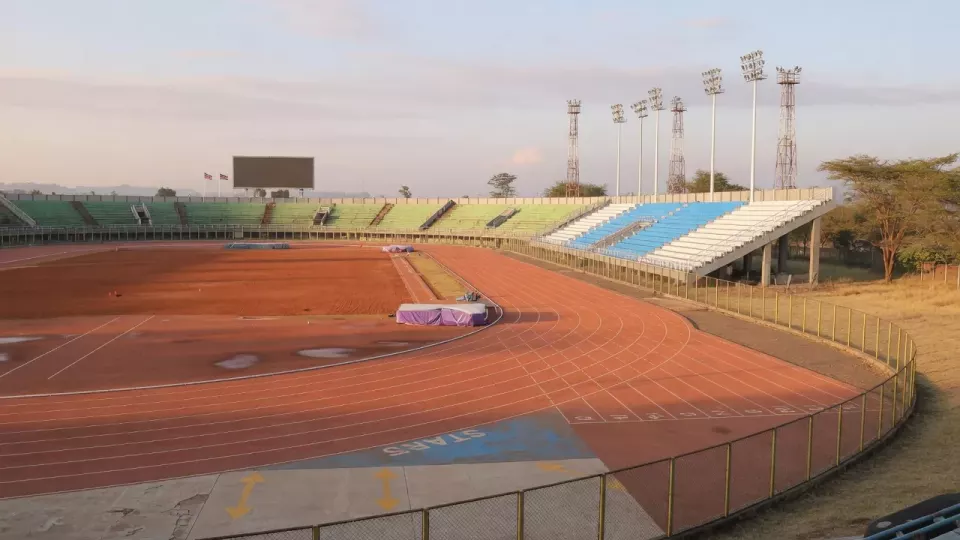
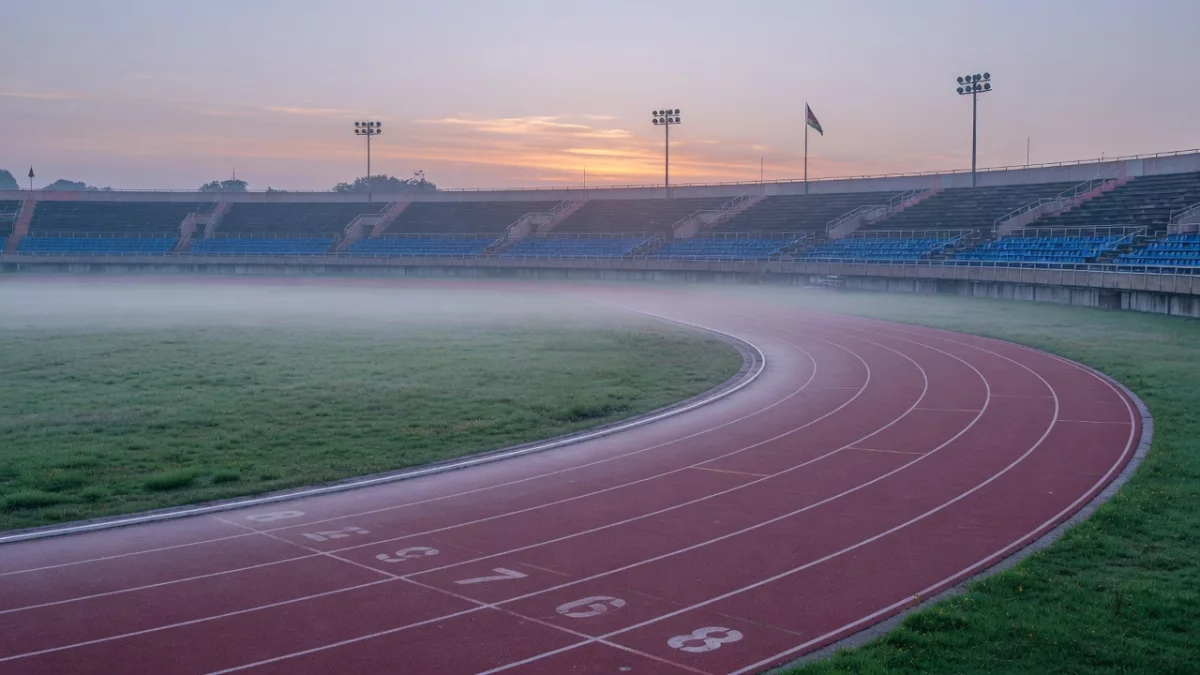
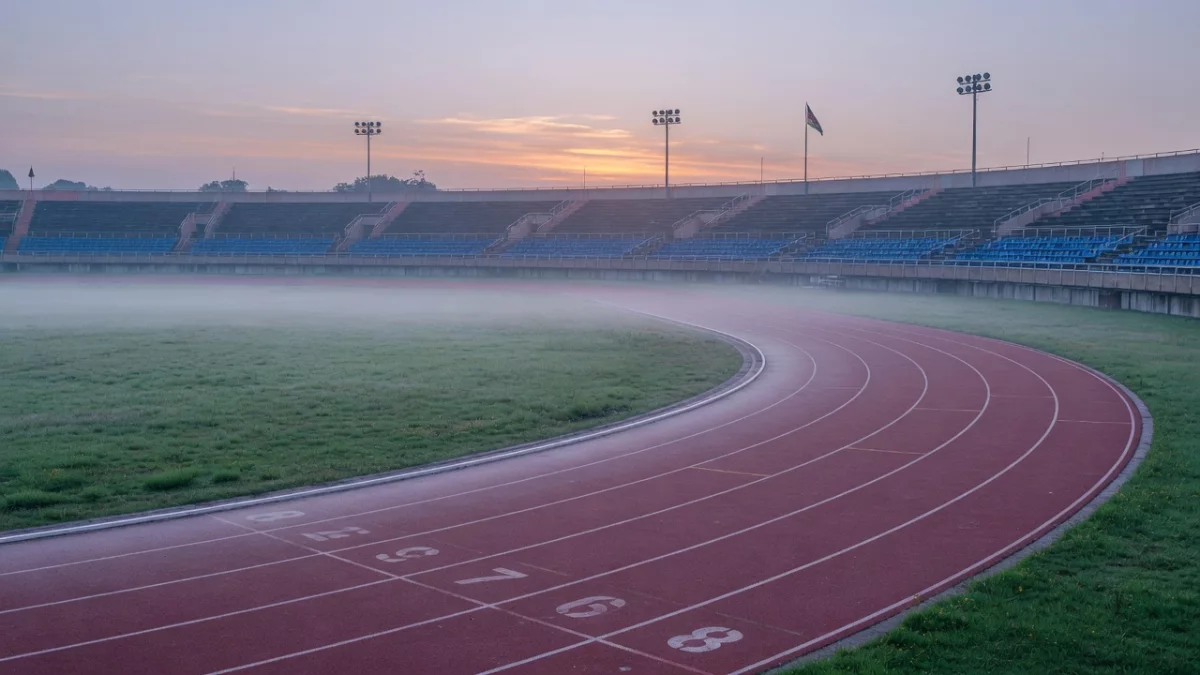
Eight contracts were signed at Monday's launch event, covering the first phase of works at stadiums in Nakuru, Kisumu, Mombasa, Eldoret, Thika, Embu, Nyeri and Garissa. Works will include the installation of synthetic athletics tracks, floodlighting systems capable of broadcasting-standard illumination, renovation of changing rooms and medical bays, and the construction or upgrading of perimeter security infrastructure.
Sports Kenya Director General Pius Metto said each of the 28 facilities in the programme had undergone a full structural and functional audit before being included. "We are not doing cosmetic repairs. We are creating facilities where elite athletes can train and where communities can gather for sport without safety concerns," Metto told journalists.
Nakuru's Afraha Stadium, one of Kenya's busiest multi-sport venues, will receive the single largest allocation of Sh185 million, covering a new 400-metre tartan athletics track, upgraded football pitch drainage, and the construction of a permanent media tribune. Kisumu's Moi Stadium will receive Sh160 million primarily for roof repairs, seating replacement and a new scoreboard.
"County governments have been requesting national support for their stadiums for years. This programme answers that call in a concrete, funded way," CS Mvurya said. "We are not handing over cheques. We are signing contracts with vetted contractors, with milestone-based payments and independent oversight."
Governance and Accountability Mechanisms
Each project will be supervised by a joint committee comprising Sports Kenya engineers, the relevant county government's public works department, and an independent monitor appointed by the National Treasury. Payment tranches are linked to construction milestones, a structure designed to avoid the contract abandonment and cost overruns that plagued previous government sports projects.
The programme's announcement was welcomed but met with cautious scepticism by some county governors and members of the public, recalling the troubled history of projects such as the Eldoret Referees College and the Kakamega Green Stadium upgrade, both of which stalled after initial disbursements. CS Mvurya acknowledged those failures directly. "We know what went wrong before. Weak procurement, political interference, and no genuine accountability. This programme has ring-fenced funding, a clear contractor accountability framework and quarterly parliamentary reporting," he said.
The Gen Z movement, which has maintained pressure on government spending accountability since the 2024 protests, has pledged to monitor the programme through a coalition of youth civic groups. "We will track every shilling," said a statement from the Youth Sports Accountability Network, a body formed in 2025.
Olympic and Economic Dimensions
The programme aligns with the Kenya Olympic Committee's strategy for LA 2028, which requires high-quality domestic training facilities to reduce the cost and logistical burden of sending athletes abroad for preparation. KOC Secretary General Francis Mutuku said the improved county stadiums would allow more athletes to complete 70 per cent of their training in Kenya rather than the current average of around 50 per cent.
Sports economists at the University of Nairobi estimate the programme will generate approximately 8,500 construction jobs over the two-year implementation window, with an additional 1,200 permanent jobs in stadium management, coaching and ancillary services once the facilities are fully operational. In counties such as Garissa, Wajir and Mandera — where formal employment remains scarce — the investments are expected to have outsized local economic impact.
The second and third phases of the programme, covering the remaining 19 counties, are subject to budget confirmation in the 2027/2028 financial year, with CS Mvurya indicating that the administration would seek additional African Development Bank funding contingent on satisfactory completion of the first phase.