Top football stars set to miss FIFA World Cup 2026

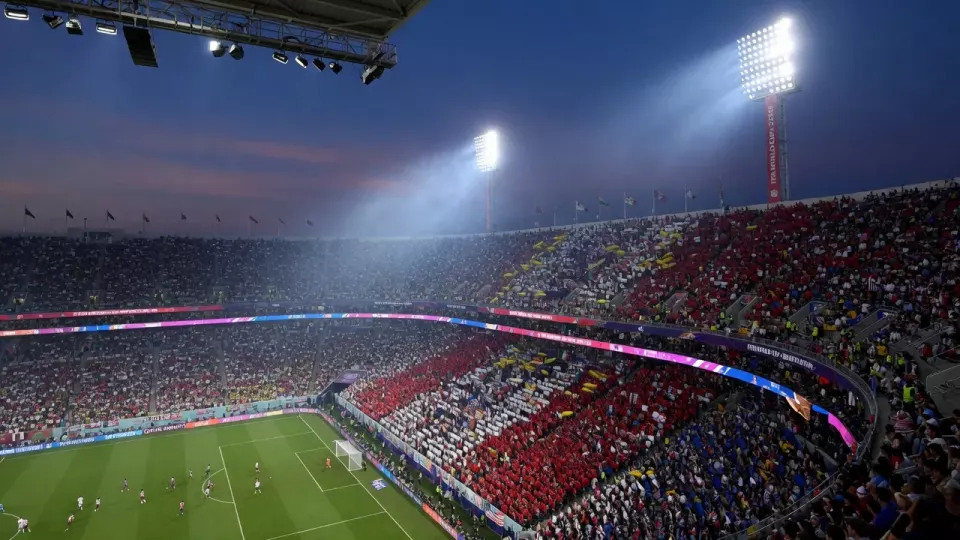
The FIFA World Cup 2026, set to be hosted across the United States, Canada, and Mexico in an expanded 48-team format, promises to be the most ambitious edition of the tournament in its history. Yet for all its scale, some of the world's most recognisable names will be absent when the opening whistle blows this summer.
Injuries have already derailed several high-profile campaigns. Players who were expected to anchor their national teams through the qualification cycle have instead spent months in rehabilitation, unable to influence results when it mattered most. The expanded format, while offering more nations a route to the finals, did not spare those whose bodies gave way at the worst possible moment.
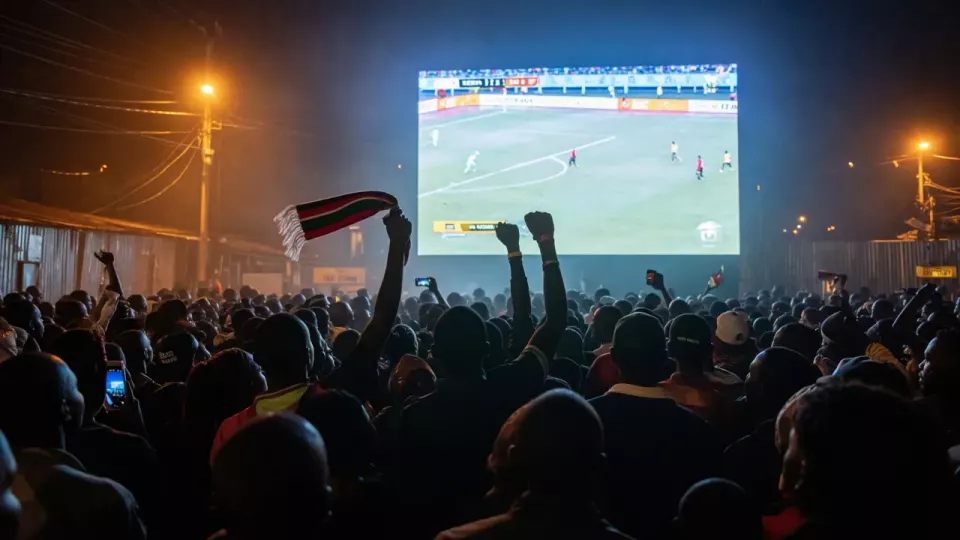
For Kenya, the tournament serves as a benchmark of aspiration rather than participation. The Harambee Stars failed to qualify, continuing a long drought from the world's biggest sporting stage. Kenya's last and only World Cup appearance came in 1954 — not as an independent nation but under a different historical arrangement — making the 2026 edition yet another reminder of the gap that still exists between local football and the global elite.
The absence of certain continental heavyweights from Africa also reshapes expectations for the region's five confirmed slots. Nations that qualified must now carry the burden of continental pride, aware that the world will be watching whether African football has closed the tactical and technical gap identified in previous tournaments.
From a Kenyan perspective, the conversation increasingly turns to what structural reforms — investment in academies, coaching standards, and competitive league infrastructure — would be required to make World Cup qualification a realistic target within the next decade rather than a distant dream.
The tournament kicks off in June, and Kenyan fans will follow closely, if from afar.