Ruto and Kenya's Dynasties: The Hustler Who Keeps Rewriting His Own Story
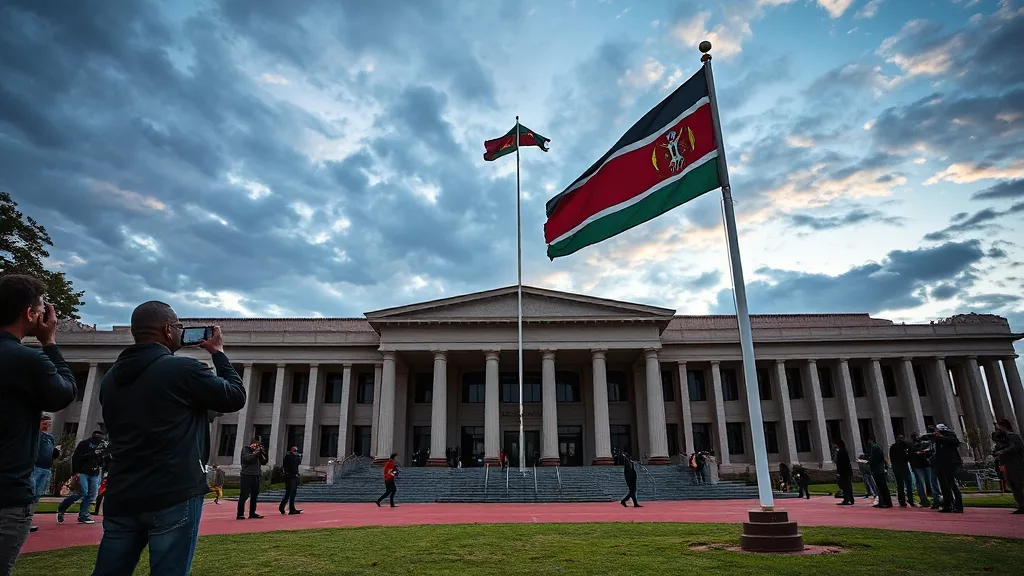
Few political identities have proven as durable — or as elastic — as William Ruto's "Hustler" brand. The president who captured State House in August 2022 by waging war on Kenya's political dynasties has since spent considerable energy courting those very same families. But as 2027 approaches, the battle lines are being redrawn, and the old hustler-versus-dynasty narrative is making a loud comeback.
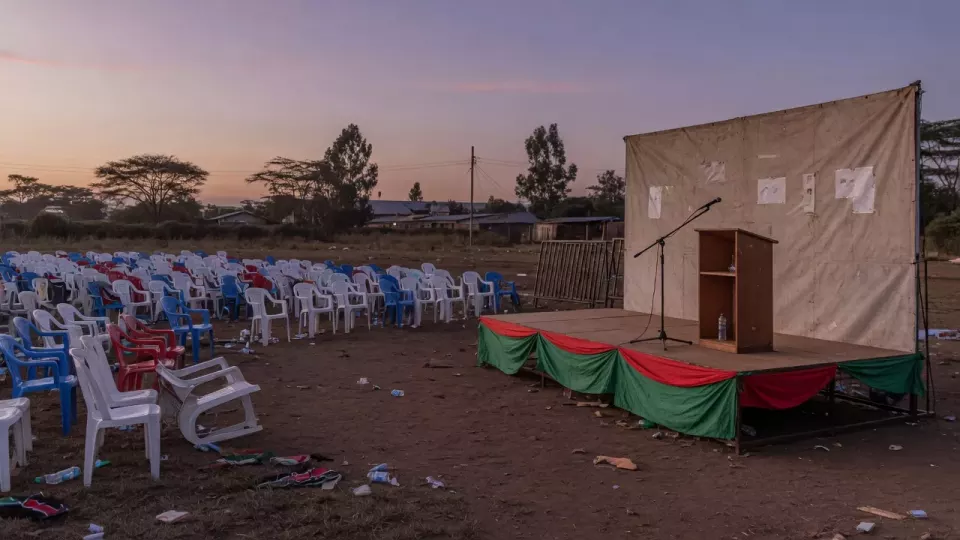
Ruto's path to the presidency was paved with populist gold. He built his 2022 campaign around a simple but potent message: that Kenya was being held hostage by privileged political clans — the Kenyattas, Odingas, and Mois — while ordinary citizens were left to hustle for survival. Drawing on his own backstory as a chicken seller from rural Kenya, he connected with boda boda riders, unemployed youth, and market women (mama mbogas) through his "bottom-up" economic model. His opponents were former President Uhuru Kenyatta and Raila Odinga, whom he painted as entitled scions protecting generational privilege. Ruto won, defeating a Raila Odinga backed by then-President Uhuru Kenyatta.
The reckoning came on June 25, 2024, when deadly Gen Z-led protests erupted across the country and threatened to overwhelm his administration. Facing a legitimacy crisis, Ruto abandoned the hustler-versus-dynasty posture and reached for the hand of his former rivals. He shook hands with Raila Odinga and unveiled a broad-based government, pulling opposition figures into his cabinet in what political observers described as a calculated bid to stabilise a shaken presidency.
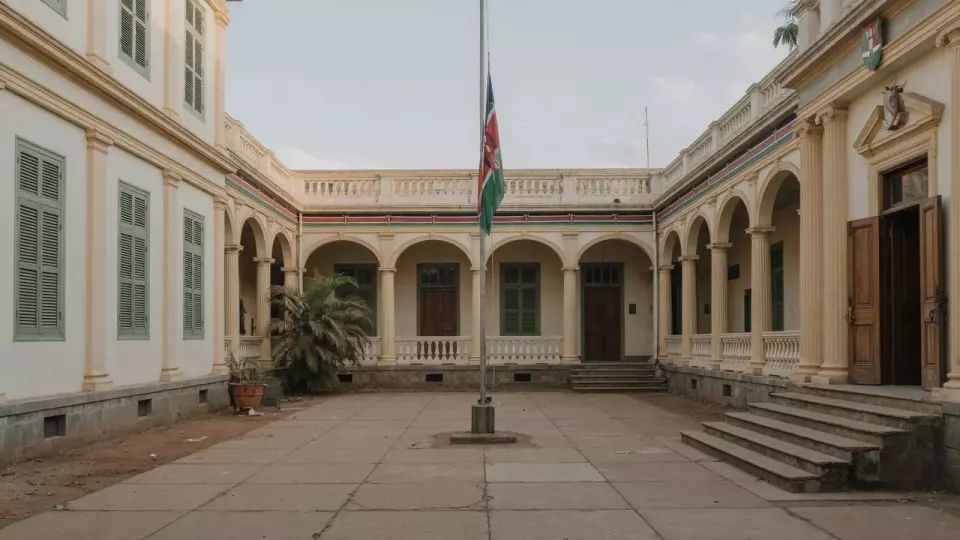
The pivot ran deeper still. Ruto made a personal visit to former President Uhuru Kenyatta at his Ichaweri home, seeking goodwill from the very man he had spent years attacking. In October 2025, just weeks before Raila Odinga's death, he formalised a pact at State House with Kanu chairman Gideon Moi, son of Kenya's longest-serving president Daniel arap Moi. The deal resulted in the Moi scion withdrawing his candidacy for the Baringo Senate seat — a significant concession that underscored just how far Ruto had travelled from his anti-dynasty position.
The détente, however, has not held. As the country squares up for the 2027 General Election, the political truce is crumbling. Former President Uhuru Kenyatta's decision to align with the opposition ahead of 2027 appears to have been the decisive rupture, reigniting his long-running rivalry with Ruto. The president has responded by resurrecting the hustler-versus-dynasty rhetoric that defined his 2022 run — a sign that the coming campaign will be fought on familiar, fiery ground.
For many Kenyans watching from the sidelines, the pattern is familiar: the hustler narrative is less a governing philosophy and more an election-season weapon — deployed when needed and shelved when inconvenient. It speaks to the deeply transactional nature of Kenyan politics. As 2027 draws near, voters will once again be invited to pick a side in a story that never quite seems to end.