High Court Freezes Ombudsman CEO Appointment Amid Recruitment Transparency Row
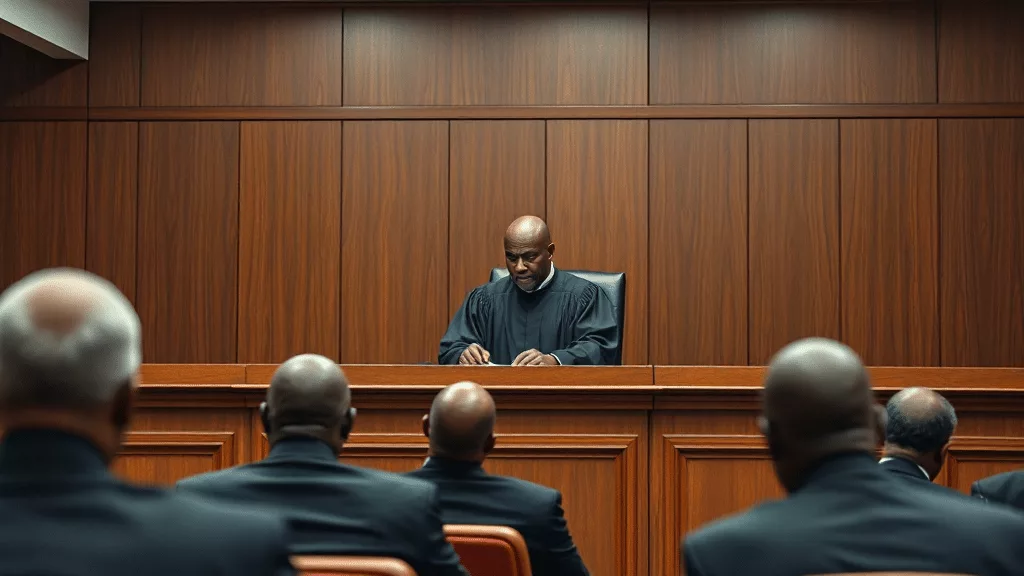
Kenya's High Court has put the brakes on plans to install Naisiae Paloshe Tobiko as the new Chief Executive Officer of the Commission on Administrative Justice, commonly known as the Office of the Ombudsman. The court stepped in after petitioners raised serious concerns about the way the recruitment exercise was conducted, temporarily blocking Tobiko's appointment from taking effect while the legal challenge is heard fully.
Justice David Mburu issued the conservatory orders on June 25, directing that Tobiko should neither be sworn in nor allowed to assume the duties of the office for the time being. The orders will hold until the matter returns to court on July 2, and will remain binding pending the court's final determination of the petition.
The petition was lodged by Otieno Ombok alongside the Sulwe Community-Based Organization, two parties who have taken issue with how the Commission handled the hiring process. They contend that the recruitment lacked the transparency expected of a body of its standing, and that when they formally requested key documentation, their appeals were ignored. The petitioners say the public was never given a fair chance to scrutinize the exercise.
Responding to those concerns, Justice Mburu directed the Commission to hand over a set of key documents — including the original job advertisement, all public notices that were issued, invitations extended to applicants, and verifiable proof that the vacancy was adequately advertised to the public. These are the same documents the petitioners allege they were denied access to despite following the proper request channels.
The judge also certified the case as urgent, a designation that compresses the usual timelines for such matters. Respondents have been ordered to file their responses to the petition by July 1, with petitioners afforded an opportunity to file a rejoinder before the full hearing on July 2.
The case has thrown a spotlight on how Kenya's independent constitutional commissions manage their internal recruitment processes, and the scrutiny comes at an uncomfortable moment for a body whose principal role is to champion accountability and sound governance. If the institution responsible for checking government overreach cannot itself be seen to act transparently, critics argue, the damage to public trust runs deep.
The Commission on Administrative Justice plays a central role in Kenya's governance architecture, investigating complaints against state officers and public institutions. As the case proceeds, many Kenyans will be watching to see whether the courts can compel greater openness in how such critical positions are filled.