Mukuru study: war and drought cut gas cooking days from 19 to 8 a month
Key points
- Mukuru (Nairobi) research tracked PayGo Energy LPG users with smart meters around the 2022 price shock.
- Average gas-stove days fell from 19 to 8 per month; cooking hours from 12.8 to 8.3.
- Surveys: ~75% changed foods cooked; >50% ate less meat/fish; ~50% skipped more meals; ~1/3 used less gas.
- Context: Kenya imports ~92% of wheat; food inflation nearly doubled from 8.3% to 15.4% in 2022 amid drought.
From 19 days a month on the gas stove to just eight — that is how sharply some Mukuru households cut liquefied petroleum gas cooking after the 2022 cascade of war-driven energy prices, global grain shocks and a multi-year drought, according to research by postdoctoral associate Matthew Shupler and collaborators, republished via Eastleigh Voice from The Conversation.
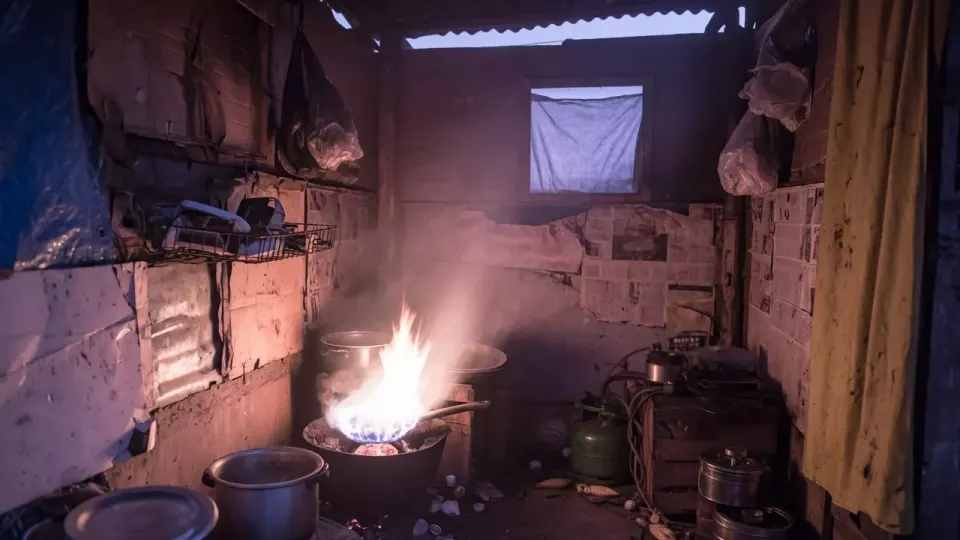
The team worked with customers of PayGo Energy, which sells LPG in small increments metered digitally — a model aimed at families who cannot always buy a full cylinder. Smart-meter logs showed total monthly cooking time falling from 12.8 hours to 8.3 hours. Households saved an average of about Sh86 a month on gas in 2022 versus 2021, but the “saving” often came from cooking less food, not from cheaper fuel.
Diets thinned as inflation doubled
Kenya imports about 92 per cent of the wheat it consumes, so Black Sea export disruptions hit hard. Food inflation nearly doubled from 8.3 per cent to 15.4 per cent in 2022 as global food and transport costs rose and drought cut regional harvests. Nationally, LPG is used by roughly one-third of Kenyans — about 60 per cent in cities versus 10 per cent in rural areas — and Kenya produces no domestic LPG, so global price spikes transmit quickly into urban kitchens.
Survey and focus-group findings were blunt: three-quarters of study families changed what they cooked; more than half ate less meat and fish; they leaned harder on ugali, vegetables and fast food; half skipped more meals; about one-third said they used less gas. One participant shifted to rice and spaghetti “because it takes less time to cook hence saves gas.” Another described adults skipping meals so children could use school feeding. Researchers used a World Food Programme coping tool alongside the meters. National desk: Kenya News. Verified study anchors above; sample is PayGo customers in Mukuru (est. 500,000–800,000 settlement population), not a nationwide random survey — so readers should not over-generalise percentages to all of Kenya.
Policy implications listed by the authors — cash transfers, subsidies for faster-cooking nutritious foods, farmer resilience support — are recommendations, not enacted programmes. The 2026 republication also nods to later geopolitical energy shocks; those analogies are interpretive. What the meters show clearly is that when food and fuel prices spike together, “clean cooking” gains can reverse overnight in informal settlements.
Based on Eastleigh Voice republication of The Conversation research by Matthew Shupler et al. Original study methods and sample limits control how far results should be generalised.