Koskei: all government vehicles face real-time tracking under GVMS reform
Key points
- Felix Koskei said every government vehicle will be fitted for real-time tracking under GVMS.
- Platform will log authorised drivers, fuel, mileage and maintenance across MDA and county fleets.
- Reforms target plate misuse, weak fuel records and donor project vehicles left off books after projects end.
- Multi-agency meeting included Executive, Parliament, Judiciary, NPS, DCI, NTSA, NIS and CoG.
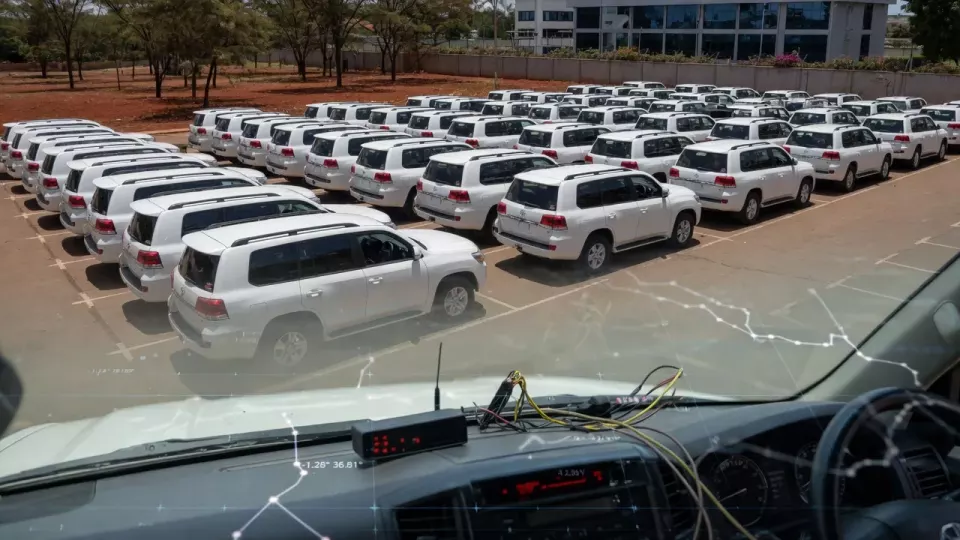
Head of Public Service Felix Koskei announced a push to put the state’s entire vehicle fleet under mandatory real-time tracking through the Government Vehicle Management System (GVMS), Capital FM reported — a digitisation drive aimed at misuse of public plates, opaque fuel burn and missing donor-funded cars.
GVMS is described as a central platform monitoring each vehicle, its authorised driver, fuel consumption, mileage and maintenance history. Ministries, departments, agencies and county governments are to feed a single verified database. “Every shilling spent on fuel, insurance, maintenance and vehicle replacement belongs to the taxpayer,” Koskei said.
Technology plus discipline
Koskei stressed trackers alone will not fix culture: officers entrusted with government cars must still “exercise responsibility” and keep assets serving public work, not private errands. Work continues on a National Transport Policy and with the National Treasury on registration rules for donor project vehicles that often vanish from ledgers when projects close.
The consultative table was unusually broad — Deputy Head of Public Service Amos Gathecha, PSs for Defence, Public Investments/Assets and Transport, Judiciary and Senate officers, State House, plus NPS, DCI, NTSA, NIS and the Council of Governors. That mix signals plate misuse is treated as a cross-arm accountability problem, not only a transport clerk issue.
National desk: Kenya News. Verified: Koskei GVMS announcement, real-time tracking mandate, fleet database scope, donor-vehicle gap, multi-agency attendance list. Implementation deadlines and county opt-in mechanics were not published in the report.
Fleet managers should expect phased installation: high-misuse pools and project SUVs first, then general transport. Auditors will want monthly exception reports — weekend mileage spikes, plate cloning flags, and donor vehicles still unregistered after project close-out — published to Treasury and Parliament committees, not buried in internal dashboards alone.
Based on Capital FM reporting of Koskei’s remarks. Circulars and tender documents will define rollout timelines.