How Nairobi’s leafy suburbs turned into crowded apartment blocks
Key points
- Leafy Nairobi suburbs are rapidly converting into multi-storey apartment zones.
- The boom tracks land prices and yields more than pure status competition.
- Infrastructure lag — water, parking, schools — is the hidden cost of density.
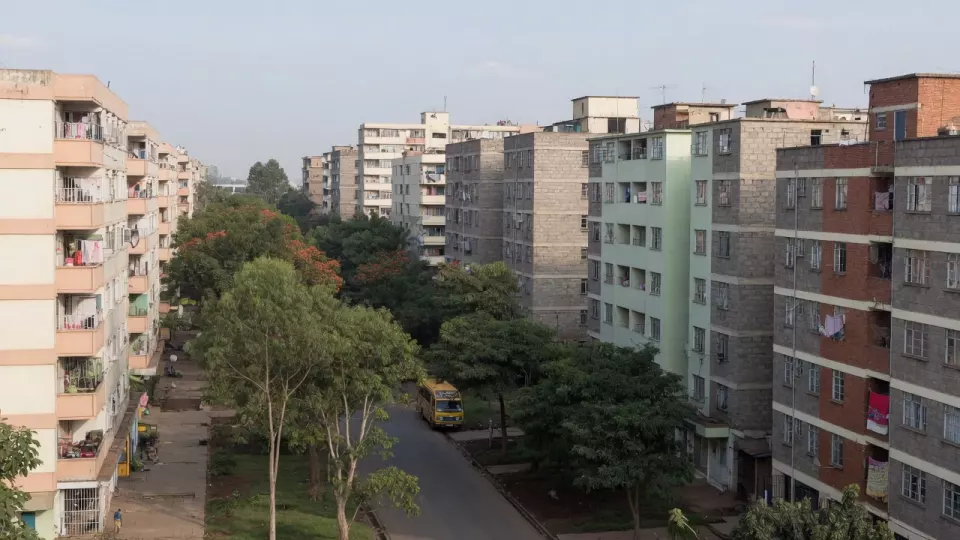
The jacaranda still stands; the bungalow under it is gone. Business Daily explores how Nairobi’s leafy suburbs became crowded blocks, arguing the apartment boom reflects land-market economics more than a simple race for prestige addresses.
When an acre prices like a small fortune, owners maximise floors. Young professionals want security and shorter commutes; developers answer with 1–3 bedroom stacks. Neighbours feel lost sky, traffic and borehole wars.
Planning failure or market success?
Both. Density near jobs can be climate-smart if transit works. Unplanned density without sewer upgrades is just vertical sprawl. County approvals must match trunk capacity — lessons already visible around large schemes such as South C megaprojects.
Buyers should check structural sign-offs, parking ratios and actual water pressure at 6 a.m., not only brochure greenery.
Social texture
Schools, clinics and garbage systems need density multipliers. Otherwise “leafy” becomes a marketing lie over a stressed estate.
Housing contacts: directory.
Based on Business Daily analysis of Nairobi densification trends.