Kenyan Home Design Trends 2025: Modern Minimalism Meets Traditional Aesthetics

Kenya's interior design landscape shifted dramatically in 2025, with 89% of Nairobi-based designers incorporating cultural elements within minimalist frameworks. This fusion responds to affluent homeowners seeking distinction beyond generic international styles. Design firms including Studio Nario, Ashanti Interiors, and Kamba Design Report high demand for spaces integrating Kenyan artwork, locally-sourced materials, and regional architectural vocabulary. Clients invest KES 2.8-8.5 million per project (residential projects averaging 200-350 square metres), expecting designs reflecting Kenya's design heritage while maintaining contemporary functionality and aesthetic restraint.
Material choices emphasize Kenyan sourcing: reclaimed wood from Nairobi salvage yards, terracotta tiles from Uthiru near Nairobi, and hand-woven textiles from coastal and Western Kenya regions feature prominently. These materials command premiums of 15-30% versus imported equivalents but provide cultural authenticity and environmental benefits through reduced shipping emissions. Designers source hardwoods from certified sustainable forestry operations in Kiambu, flooring tiles from Mombasa cooperatives, and decorative fabrics from kitenge manufacturers. This local-sourcing preference reflects both sustainability consciousness and economic support for Kenyan artisans.
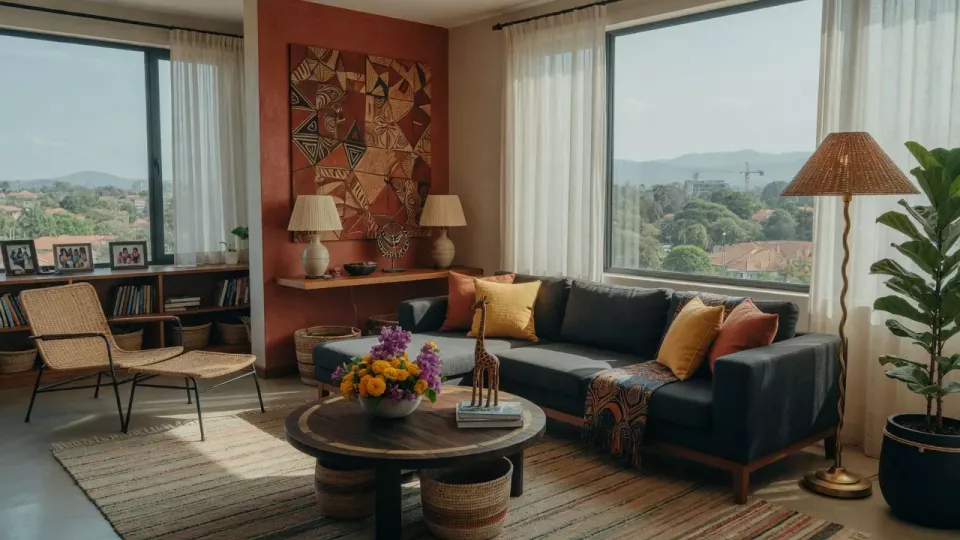
Color palettes shift from safe neutrals toward rich tones reflecting Kenyan landscape: ochres and burnt siennas evoking Savanna aesthetics, deep blues echoing coastal traditions, and warm terracottas from earth pigments. Accent walls, tile work, and textile installations introduce color while maintaining minimalist spatial composition. Lighting design emphasizes natural daylight with statement pendant fixtures from Nairobi metalworkers, replacing generic imported fixtures. Wall art increasingly features local photographers and painters, with commissions ranging KES 150,000-850,000, supporting Kenya's visual artists while personalizing interiors.
Functional minimalism prioritizes open floor plans and multipurpose spaces reflecting Nairobi's compact apartments (90-180 sqm) alongside larger suburban homes. Custom storage solutions reduce visual clutter while maximizing space efficiency. Designers report clients valuing emotional connection to spaces through cultural references: family photo galleries featuring Kenyan landscapes, traditional weapons (rungu, shields) as sculptural accents, and heritage textiles displayed as functional room dividers. This trend represents maturation of Kenya's design discourse, moving beyond aspirational internationalism toward confident cultural integration. Design institutions now teach culturally-informed minimalism, signaling professionalization and market sustainability.