WHO Approves Safer Kala-azar Treatments as Kenya Prepares to Update Protocols
Key points:
- WHO on 29 July 2026 updated guidelines for visceral leishmaniasis and post-kala-azar dermal leishmaniasis.
- Eastern Africa gains shorter, safer options including miltefosine plus paromomycin over 14 days for many primary VL cases.
- Kenya’s MoH NTD division says work is under way to put the regimens into national guidelines.
The World Health Organization has issued major updates to treatment guidance for visceral leishmaniasis—better known across East Africa as kala-azar—and for the skin complication post-kala-azar dermal leishmaniasis (PKDL). The changes, published on 29 July 2026, are designed to replace some of the most punishing regimens still used in endemic counties.
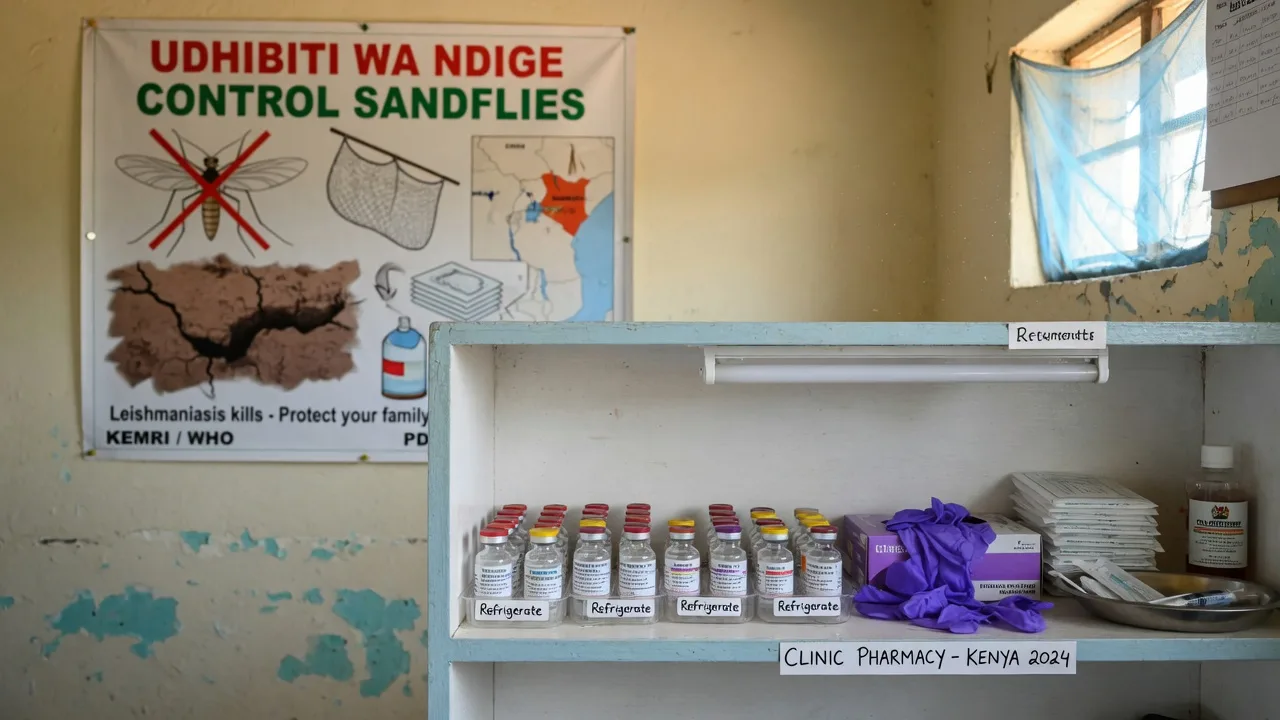
Kala-azar is a sandfly-borne parasitic disease that can kill if untreated. WHO notes it remains one of the deadliest parasitic killers after malaria, with tens of thousands of cases each year across dozens of countries and large under-reporting. Kenya has recorded recent surges in endemic northern and arid counties, making safer medicines a public-health priority.
What changes in eastern Africa
For years, African programmes leaned heavily on injectable sodium stibogluconate (SSG), often with lengthy courses and serious side effects. For the first time, WHO is recommending SSG-free regimens for eligible patients, while keeping older options available for those who cannot take the new combinations.
In eastern Africa, an oral drug, miltefosine, is recommended in combination with paromomycin injection for both primary VL and PKDL. The new primary VL course is described as a 14-day regimen with one fewer injection and lower toxicity than the previous 17-day double-injection SSG–paromomycin schedule. New, shorter PKDL options also replace multi-week toxic courses that could run 30–60 days.
Many of the therapies now in the guidelines were developed with the Drugs for Neglected Diseases initiative (DNDi) and partners through platforms such as the Leishmaniasis East Africa Platform (LEAP), in which Kenya has been an active research partner.
Kenya’s next step
Wyckliff Omondi, head of Kenya’s Division of Vector Borne and Neglected Tropical Diseases at the Ministry of Health, said the ministry is working to incorporate the new treatments into national guidelines so patients can benefit as soon as possible. WHO expects endemic countries to update protocols after the global recommendation.
Public-health officials stress that access will still depend on procurement, training of clinicians in arid counties, and continued surveillance. Researchers are also watching next-generation oral candidates, including DNDi’s work with partners on fully oral options that could further reduce injectables.
Sources: World Health Organization (29 July 2026), DNDi, Kenya Ministry of Health comments via WHO release.