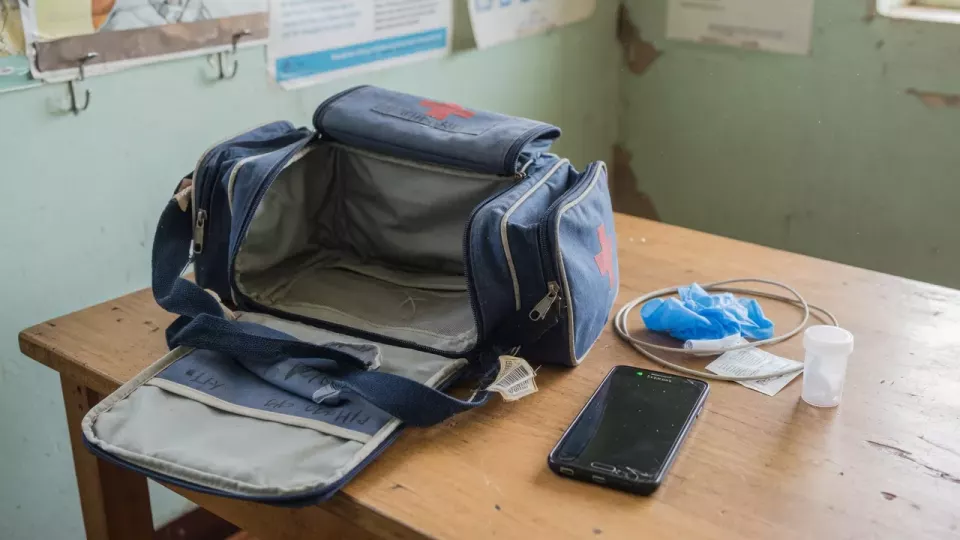
NGEC: public hospitals cannot block SGBV care over SHA, fees or police forms
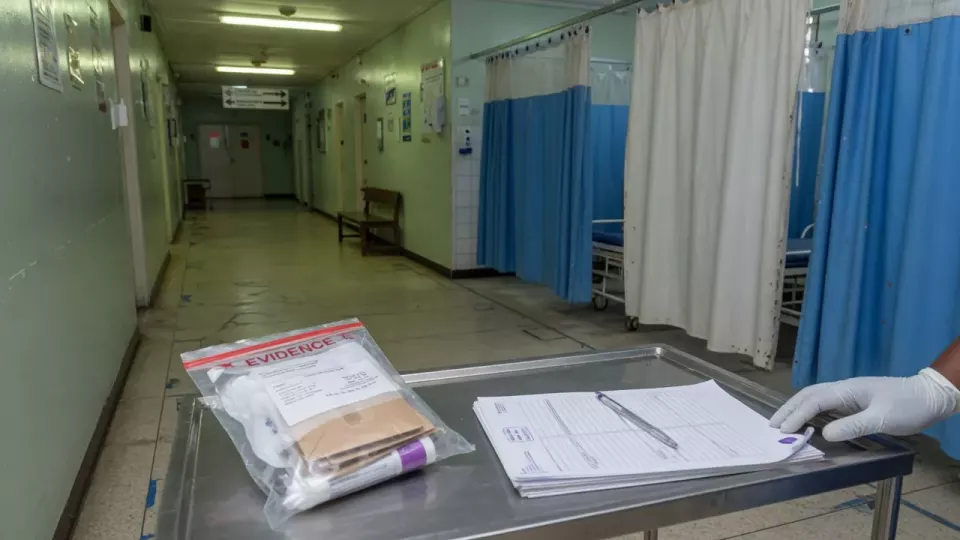
Key points
- NGEC warned public facilities not to deny SGBV survivors care for lack of SHA, inability to pay, or missing police paperwork.
- Chair Rehema Dida Jaldesa: free, immediate, dignified treatment is a legal right in public health facilities.
- Package includes injury care, PEP, emergency contraception, forensic collection, P3/PRC forms and psychosocial support.
- Survivors should seek care ideally within 72 hours for PEP; report denials to NGEC, police gender desks or county health.
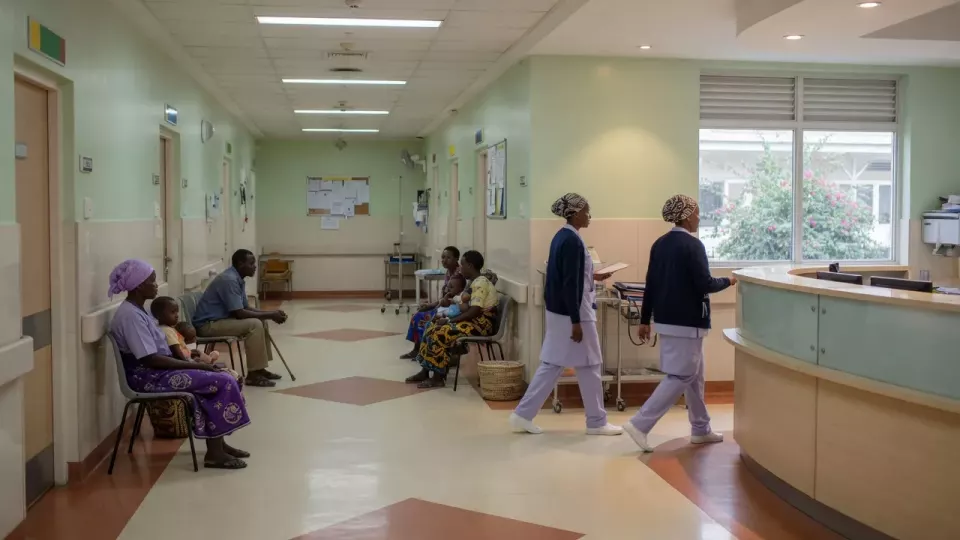
Public hospitals that turn away sexual and gender-based violence survivors because they lack Social Health Authority registration, cash or a police file are acting against the law, the National Gender and Equality Commission said in a fresh advisory reported by Eastleigh Voice.
Chairperson Rehema Dida Jaldesa framed free, immediate and dignified medical care as a right, not a favour. The commission listed services that must not wait for paperwork: examination and injury treatment, Post-Exposure Prophylaxis against HIV, emergency contraception, appropriate Pre-Exposure Prophylaxis, forensic sample handling, P3 and Post Rape Care forms, plus counselling.
What facilities may not do
NGEC said it is unlawful to charge for SGBV-related medical services in public facilities, delay care over stock-outs or "donor" funding gaps, force SHA sign-up first, refuse examinations, skip forensic collection, or send survivors away to return later. Those practices, the commission argued, collide with constitutional rights to health, dignity, equality and access to justice and with the Sexual Offences (Medical Treatment) Regulations, 2012 — including Regulation 3 on free treatment.
The advisory also underlines a sequence many survivors still get wrong in panic: medical care does not require a prior police report. Evidence collection and reporting can follow once the clinical window is protected. For PEP effectiveness, the commission repeated the familiar 72-hour urgency without treating late arrival as a reason to refuse what still helps.
If staff still refuse
Survivors are advised to state their right to free post-rape care under the Sexual Offences framework, ask for the person in charge or medical superintendent, record staff names if blocked, and escalate to NGEC, Kenya Police gender units or county health departments. Communities are urged to accompany survivors and report facilities that charge or discriminate.
Health desk: Health. SHA enrolment remains useful for broader accountable care, the commission noted, but it is not a gate key for emergency SGBV services. County health bosses should publish a simple 24/7 facility map for post-rape care so the right is operational, not only printed on an advisory.
The civic test is practical: a survivor who arrives tonight should leave with clinical protection and documentation paths intact, not a bill and a SHA form. That is the standard NGEC put back on the public record.
Based on Eastleigh Voice reporting of the NGEC advisory. Statutes, regulations and facility practice control enforceable rights on the ground.