Health ministry tells Kenyans to wash vegetables thoroughly after pesticide findings
Key points
- A new study detected pesticide residues in most vegetable samples from markets.
- MoH is advising thorough washing as an immediate household step.
- Long-term safety needs farm extension, residue testing and honest supply chains.
Dinner tables should not double as chemistry labs. Eastleigh Voice reports that the Health ministry is urging Kenyans to wash vegetables thoroughly after a study found pesticide residues in most samples collected from markets.
Washing is sensible damage control — peel where appropriate, use clean water, avoid panic. It is not a full substitute for regulating what is sprayed, sold and imported. Farmers under pest pressure use what is available; brokers chase shelf life; consumers get the residue risk.
Beyond the kitchen sink
County agriculture officers need training and safe alternatives; KEBS and health labs need routine sampling with public results. Schools and hospitals that bulk-buy produce should demand supplier standards.
Link this to wider NCD and food policy — including industrial fat rules — under Health. Prevention starts before the pharmacy queue.
Practical steps today
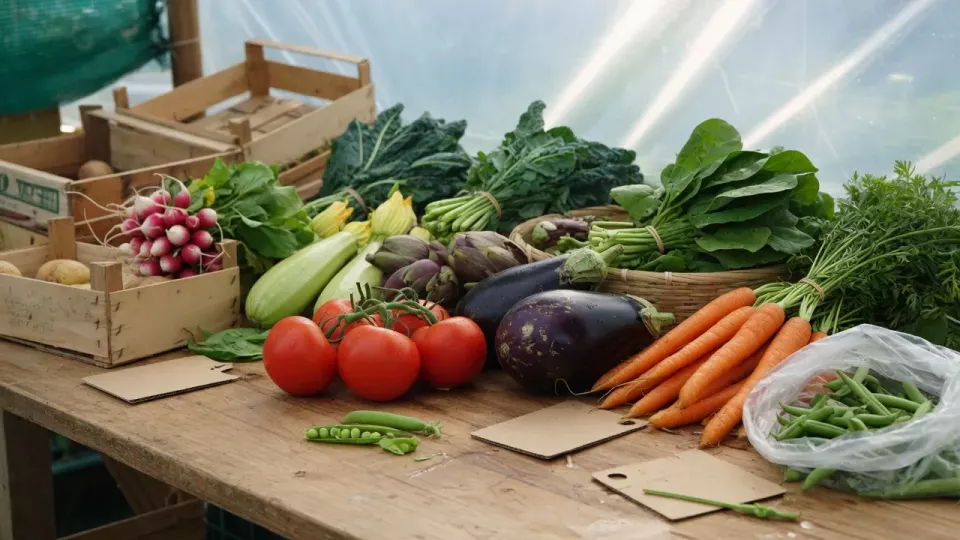
Wash leafy greens leaf by leaf, rinse firm produce under running water, and diversify sources when you can. Report acute poisoning symptoms to a facility immediately.
Based on Eastleigh Voice reporting of MoH advice and the market vegetable residue study; residue levels and chemical names vary by sample — read the full study for detail.