Cholera Outbreak in Kisumu County Prompts Emergency Response from MOH
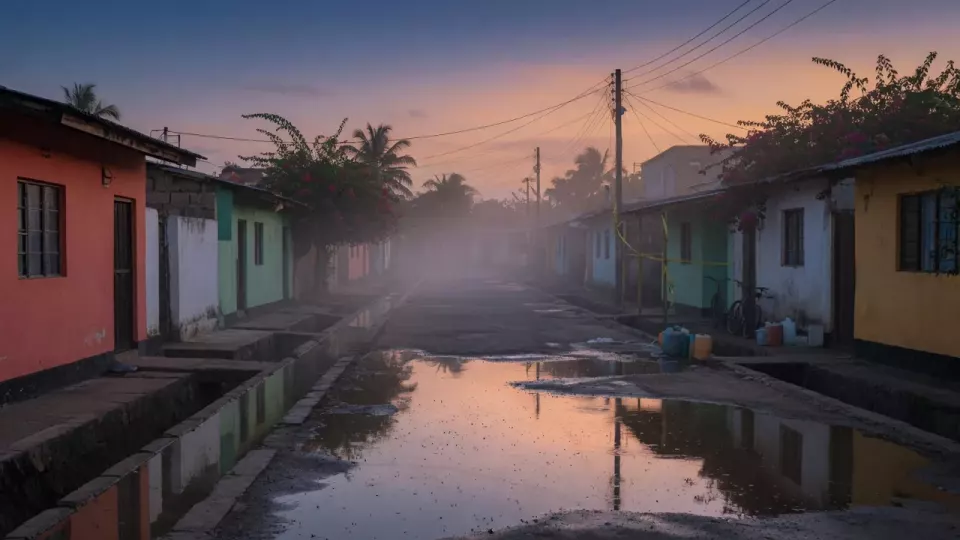
A cholera outbreak in Kisumu County has infected 347 people and caused 11 deaths in the fourteen days to 9 July 2026, prompting an emergency public health response from the Ministry Of Health, the Kenya Red Cross Society, and international partners including Medecins Sans Frontieres. The outbreak, centred in the densely populated informal settlements of Nyalenda and Obunga along the shores of Lake Victoria, represents the most significant cholera event in western Kenya since the 2019 flooding season.
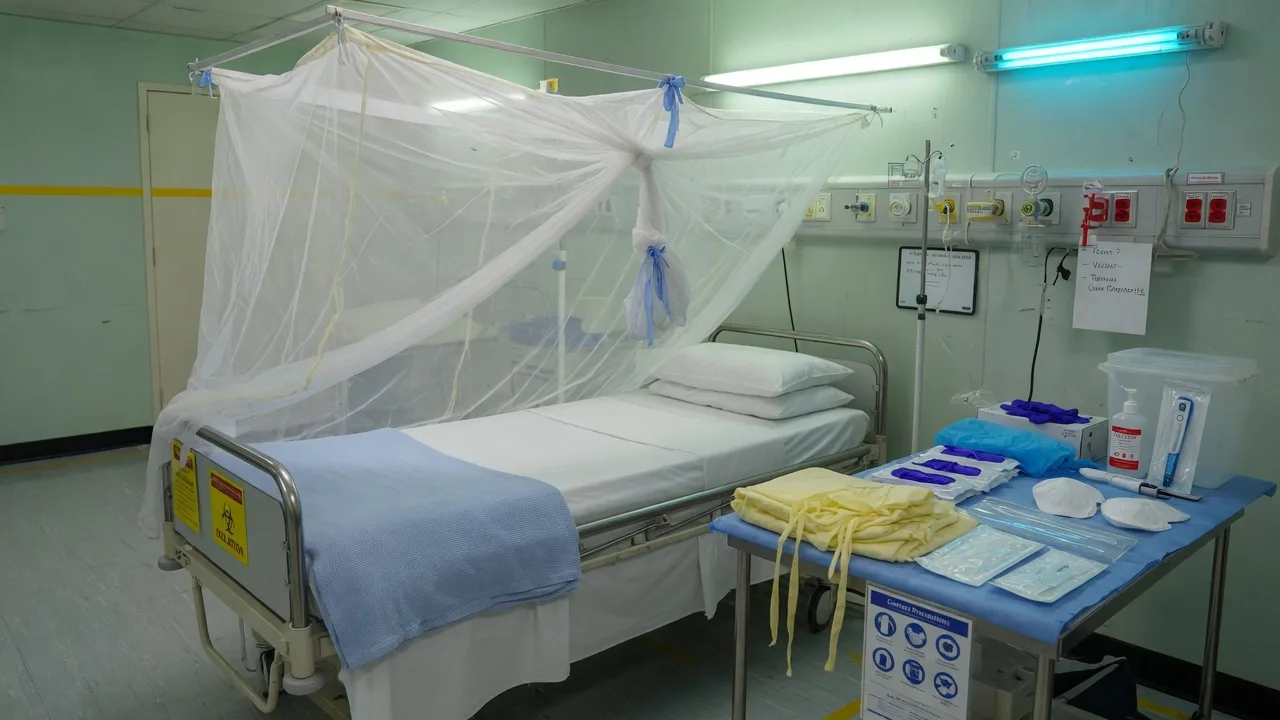
Health Cabinet Secretary Deborah Mlongo deployed a rapid response team to Kisumu on Tuesday, and the county has been placed under a public health emergency declaration, activating emergency procurement provisions that allow the Ministry to fast-track medicine and equipment supplies outside normal tendering processes. Three oral rehydration treatment centres have been established at the Kisumu County Referral Hospital, Aga Khan Hospital Kisumu, and a field site at Jomo Kenyatta Grounds.
"We are treating this with the full seriousness it deserves. Cholera is preventable and treatable, but it is also fast-moving. Speed is everything," said CS Mlongo at a press conference in Kisumu on Wednesday.
The Root Causes
Epidemiologists from the Kenya Medical Research Institute (KEMRI) have traced the outbreak to contaminated water sources in Nyalenda B and Obunga, where an estimated 68 per cent of households rely on water from shallow wells or the lake itself, without treatment. Heavy rainfall in late June overwhelmed the area's rudimentary drainage infrastructure, causing floodwater mixed with sewage from pit latrines to infiltrate shallow wells. Vibrio cholerae O1 El Tor Ogawa, the responsible strain, was confirmed by KEMRI's Kisumu laboratory within 48 hours of the first cluster being reported.
The outbreak is occurring against a backdrop of chronic underinvestment in water and sanitation infrastructure in Kisumu's informal settlements, an issue that has been raised repeatedly at the county assembly but has struggled to attract adequate budget allocations. A 2024 audit by the Water Services Regulatory Board found that only 34 per cent of Kisumu County's urban poor had access to piped water meeting national quality standards.
Climate scientists at the Kenya Meteorological Department have noted that the La Nina-to-neutral transition pattern in 2026 — following years of El Nino-related flooding — has produced erratic rainfall in the Lake Victoria basin, making it harder for county governments to anticipate and prepare for flood-associated disease outbreaks. "We are seeing the compounding effect of climate variability on already fragile WASH infrastructure," said KEMRI epidemiologist Dr Erick Onyango.
Response Operations
Emergency response operations are focusing on three parallel tracks: case management, water treatment, and community mobilisation. At the treatment centres, patients receive oral rehydration solution as the primary intervention, with intravenous fluids reserved for severe dehydration cases. The case fatality rate stands at 3.2 per cent — above the WHO emergency threshold of 1 per cent — reflecting delays in some patients seeking care, partly due to stigma and partly due to distance from treatment centres.
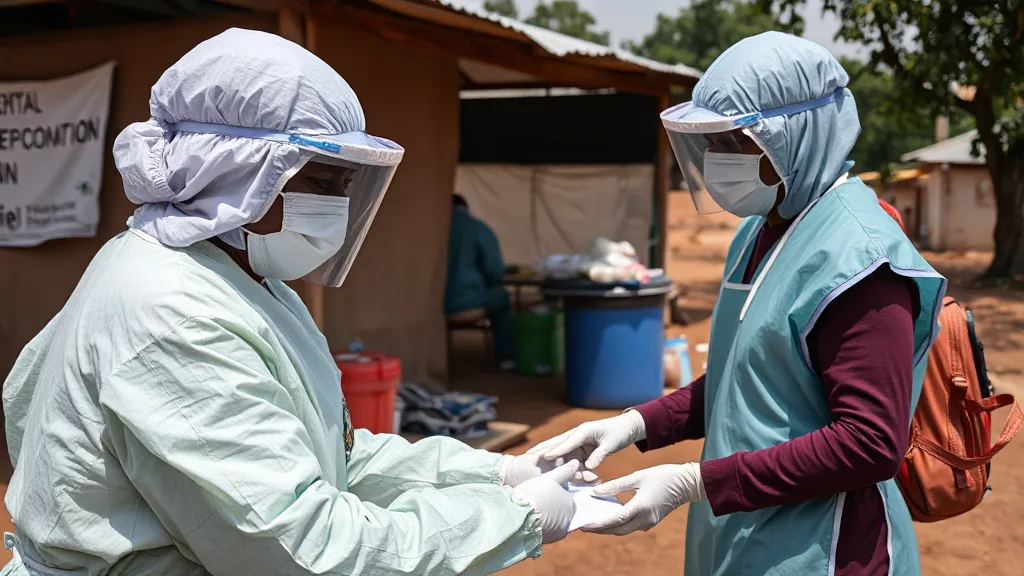
The Ministry of Health has deployed 12 water chlorination units, distributed 45,000 water purification tablets, and is trucking 180,000 litres of treated water daily to the most affected sub-locations. The Kenya Red Cross has mobilised 340 community volunteers to conduct household visits, promote hand hygiene, and identify and refer suspected cases. An emergency Oral Cholera Vaccine campaign, targeting 120,000 residents of the most at-risk zones, began on Thursday using Shanchol vaccine from the global stockpile coordinated by the International Coordinating Group.
County Governor Prof Anyang' Nyong'o, himself a veteran public health advocate, has called on the national government to release Ksh 750 million in emergency WASH rehabilitation funds to replace pit latrines with ventilated improved pit latrines and extend the Kisumu Water and Sewerage Company's piped network to Nyalenda and Obunga. "We cannot keep responding to the same outbreak year after year. We need to fix the system, not just the symptom," he said. A full epidemiological investigation report is expected from KEMRI within three weeks.