IMF Reviews Kenya's Debt Sustainability, Recommends Fiscal Consolidation Path
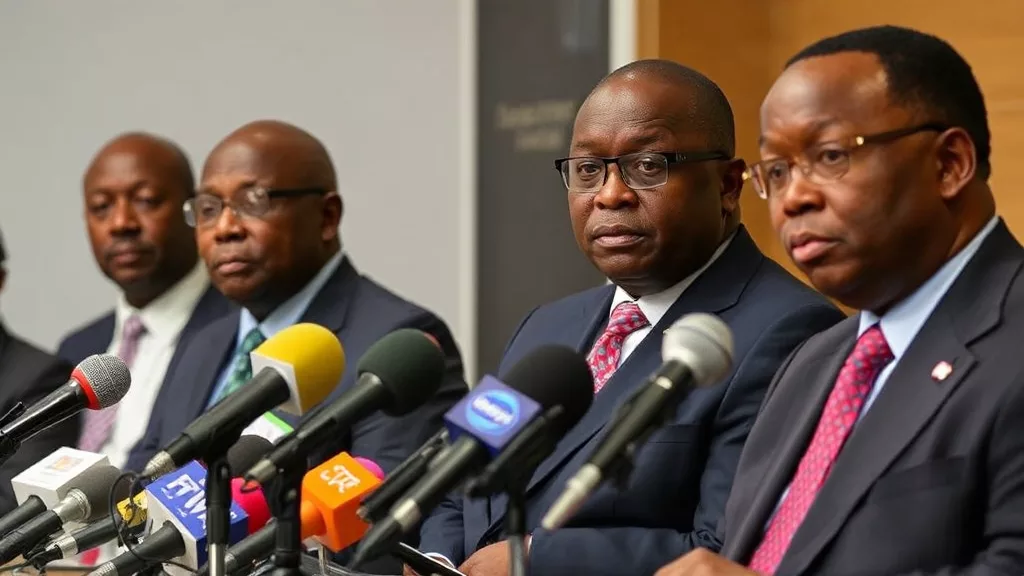
The International Monetary Fund has completed its latest Debt Sustainability Analysis (DSA) for Kenya, concluding that the country's debt remains at "high risk of debt distress" and recommending that Nairobi maintain a credible multi-year path of fiscal consolidation. The findings, published alongside the fourth review of Kenya's Extended Fund Facility (EFF) and Extended Credit Facility (ECF) arrangement, will be closely watched by international creditors and domestic bond investors.
According to the IMF assessment, Kenya's public and publicly guaranteed debt stood at approximately 74.8 per cent of GDP at the end of the 2025/26 financial year — a slight reduction from the peak of 77.2 per cent recorded in 2023/24, but still well above the 55 per cent threshold that the Fund considers prudent for emerging markets. External debt service costs continue to absorb a disproportionate share of government revenues, with debt repayments consuming nearly 32 per cent of tax receipts in the year ended June 2026.
IMF's Core Recommendations
The Fund identified four priority areas in its consolidation roadmap. First, it urged Kenya to continue expanding the tax-to-GDP ratio, which stood at 16.8 per cent — well below the sub-Saharan African average of 18.5 per cent — through improved compliance, digital tax administration, and plugging VAT refund leakages. Second, the IMF called for further rationalisation of recurrent expenditure, particularly within the wage bill, which accounts for roughly 7.5 per cent of GDP. Third, it recommended accelerating the transition from expensive commercial borrowing to concessional multilateral financing. Fourth, the report emphasised maintaining exchange rate flexibility to absorb external shocks.
"Kenya has made commendable progress under the programme, but the consolidation path must be sustained and not reversed as the electoral cycle approaches," said Ms. Khaled Al-Rashidi, the IMF Mission Chief for Kenya, at a press conference in Nairobi. "Credibility in fiscal management is the single most important anchor for investor confidence at this stage."
The IMF also noted significant progress in revenue administration by the Kenya Revenue Authority, which exceeded its half-year collection target by Ksh 18 billion — a development the Fund described as encouraging but insufficient on its own to resolve the structural revenue gap.
Government's Response and Political Pressures
Treasury CS John Mbadi welcomed the review's positive assessment of progress while acknowledging that "the road ahead remains demanding." The government has committed to reducing the fiscal deficit to 3.5 per cent of GDP in the 2026/27 budget, down from 4.9 per cent the previous year — a target that requires holding spending firm even as the 2027 election campaign intensifies pressure to loosen the purse strings.
That political arithmetic is not lost on observers. The Gen Z protest movement that shook the country in 2024 was fuelled partly by frustration over austerity measures and new taxation, and the government has been cautious about introducing any levies perceived as regressive. The proposed Social Health Authority (SHA) financing model — which replaces the now-defunct NHIF — has itself become a flashpoint, with questions still circulating about its long-term fiscal sustainability.
Some economists argue the IMF's consolidation prescription risks being too contractionary at a moment when growth momentum needs nurturing. "We need to be careful that the medicine does not kill the patient," said Dr. Anzetse Were, a development finance specialist. "Public investment in infrastructure, education, and health underpins long-run growth, and indiscriminate cuts can be counterproductive."
Kenya's next IMF disbursement — worth approximately $180 million — is conditional on continued programme performance, including achieving agreed fiscal targets and completing structural benchmarks on state-owned enterprise reform. With the programme's final review scheduled for early 2027, the government has limited runway to show results before the political season fully consumes policymaking bandwidth.