Kenya and Tanzania Sign Landmark Wildlife Research Pact in Arusha
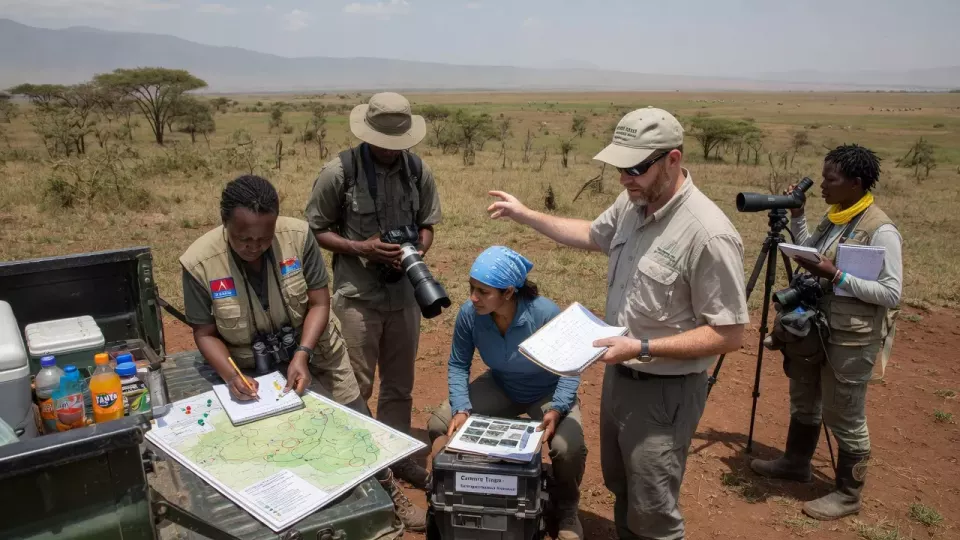
Kenya and Tanzania signed a landmark five-year Framework of Collaboration on June 16, 2026, in Arusha. The agreement was concluded between Kenya's Wildlife Research and Training Institute (WRTI) and Tanzania's Wildlife Research Institute (TAWIRI), establishing a formal bilateral platform for joint scientific research, ecosystem monitoring, and coordinated conservation management.
A Framework Built for Ecosystems That Know No Borders
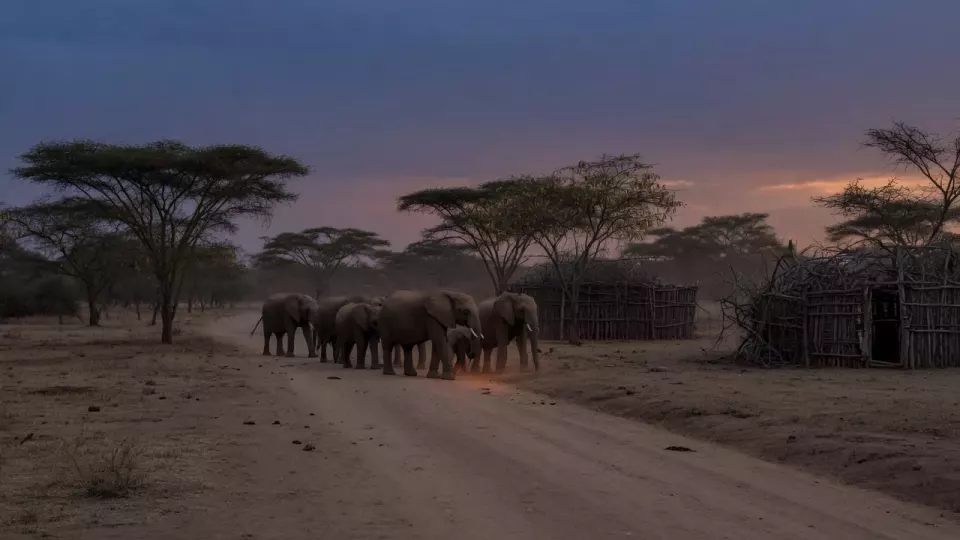
The Kenya-Tanzania border is not a line that wildlife respects. Across the frontier, animal populations including wildebeest, elephant, lion, wild dog, and leopard migrate seasonally between protected areas and community dispersal zones, following ancient pathways. The Serengeti-Mara ecosystem, anchored by Tanzania's Serengeti National Park and Kenya's Maasai Mara National Reserve, is one of Africa's greatest natural spectacles.
Priority Challenges on the Joint Research Agenda
The framework identifies several urgent areas: wildlife migration corridors under severe pressure from agricultural expansion and infrastructure development; habitat fragmentation; emerging wildlife diseases; and human-wildlife conflict — one of the most pressing socio-ecological challenges facing border communities in both countries.
A Critical Moment for East African Wildlife
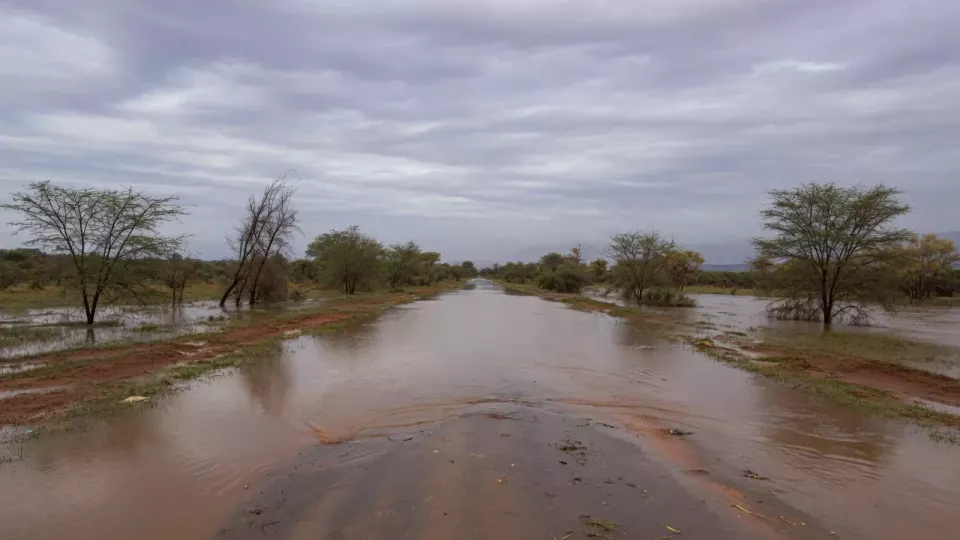
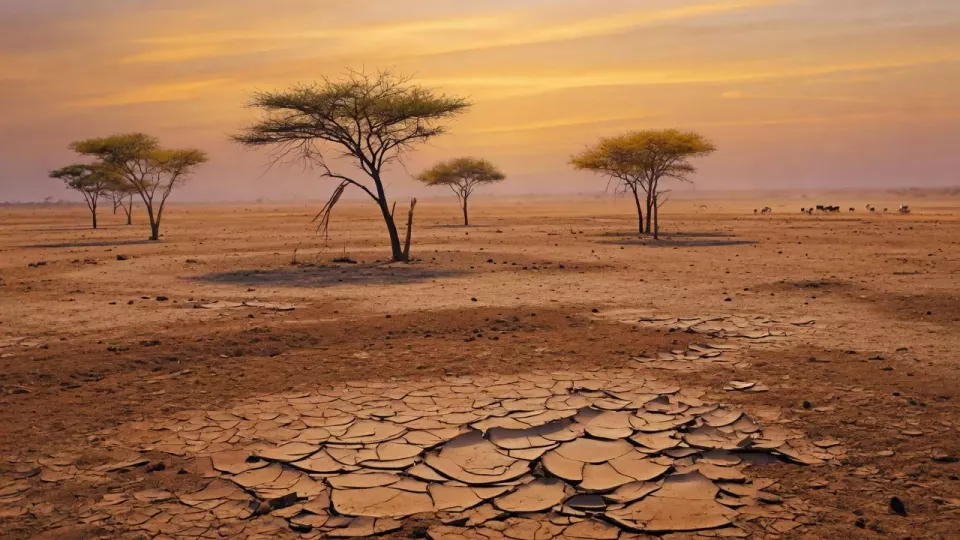
The signing in Arusha comes at a pivotal juncture. Elephant populations remain vulnerable to ivory trafficking networks. The black rhino survives in small, carefully managed populations that straddle both Kenya and Tanzania. Climate change is simultaneously accelerating the unpredictability of rainfall patterns that determine the timing and extent of the annual wildebeest migration.