HELB warns students faking orphan status for bigger scholarships
Key points
- Officials say some students claim parents are dead on paper to raise scholarship bands.
- HELB CEO Edwin Wanyonyi is among voices warning against the fraud, per Eastleigh Voice and Nation coverage.
- The practice risks punishing genuine orphans and undermines trust in need-based funding.
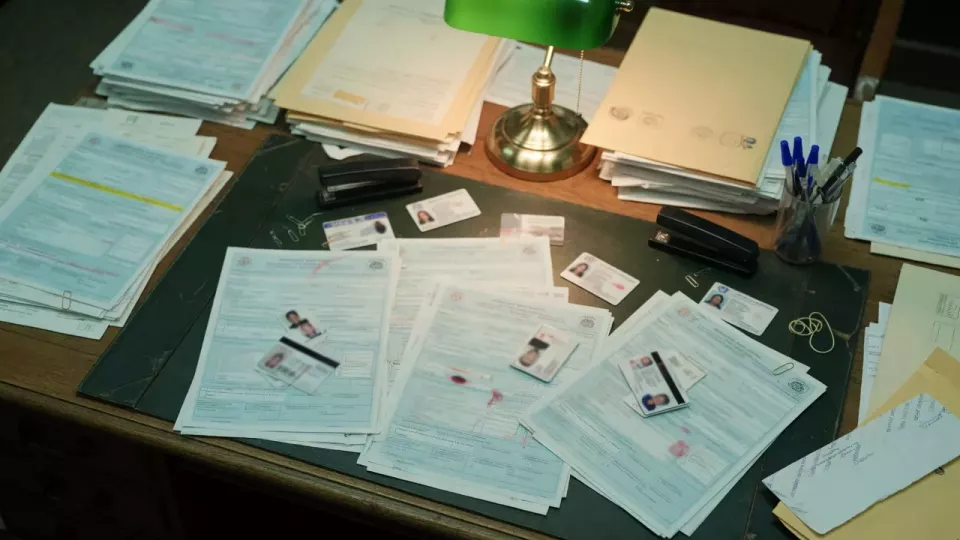
Kenya’s student funding system is under pressure from a grim kind of paperwork fraud. Nation.Africa and Eastleigh Voice report that officials — including commentary linked to the Higher Education Loans Board (HELB) and the Universities Fund — are warning students who falsely declare parents dead to unlock higher scholarship support.
Under means-tested models, orphan status can shift a learner into a more generous band. That creates a perverse incentive: invent bereavement on forms while parents are alive. Coverage quotes leadership cautioning that the tactic is being detected and will not be treated lightly.
Who pays for fake orphans
Every shilling diverted by false claims is a shilling not available to a learner who truly has no parental support. It also poisons public goodwill for scholarships: taxpayers and donors grow sceptical when need-based systems look gameable.
Universities, too, inherit the mess — verification delays, contested admissions, and reputational hits when scandals break.
What genuine students should do
Submit accurate household data, keep supporting documents, and appeal through official channels if a banding looks wrong. Fraud shortcuts can lead to recovery of funds, blacklisting or criminal referral.
Education agencies: directory. Funding explainers: Guides.
Based on multi-source public education reporting. Policies change; verify with HELB/Universities Fund notices.